SAMARA Journal: How to Explore Vilanculos with More Intention
A SAMARA editorial note on travelling with intention in Vilanculos: balancing island adventure, local life, flexibility and respect.

Travel planning often begins with a list: the islands to visit, the activities to book, the restaurants to try and the photographs to take. Lists are useful. They help organise a journey, make unfamiliar places feel more manageable and ensure that important details are not forgotten. But they can also crowd out the reason for travelling in the first place. When every day is filled with appointments, transfers and activities, it becomes surprisingly easy to experience a destination without ever feeling that you have truly arrived.
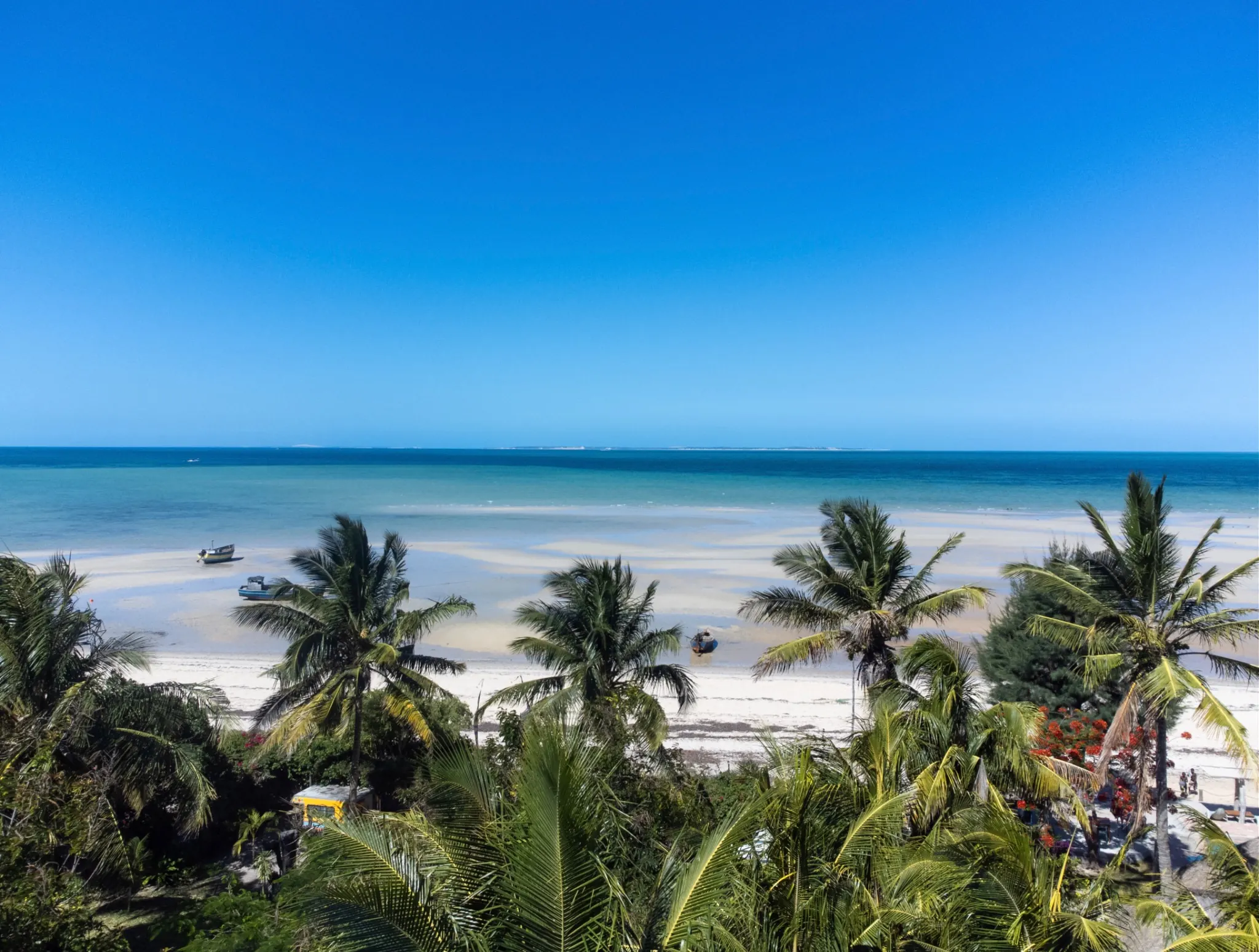
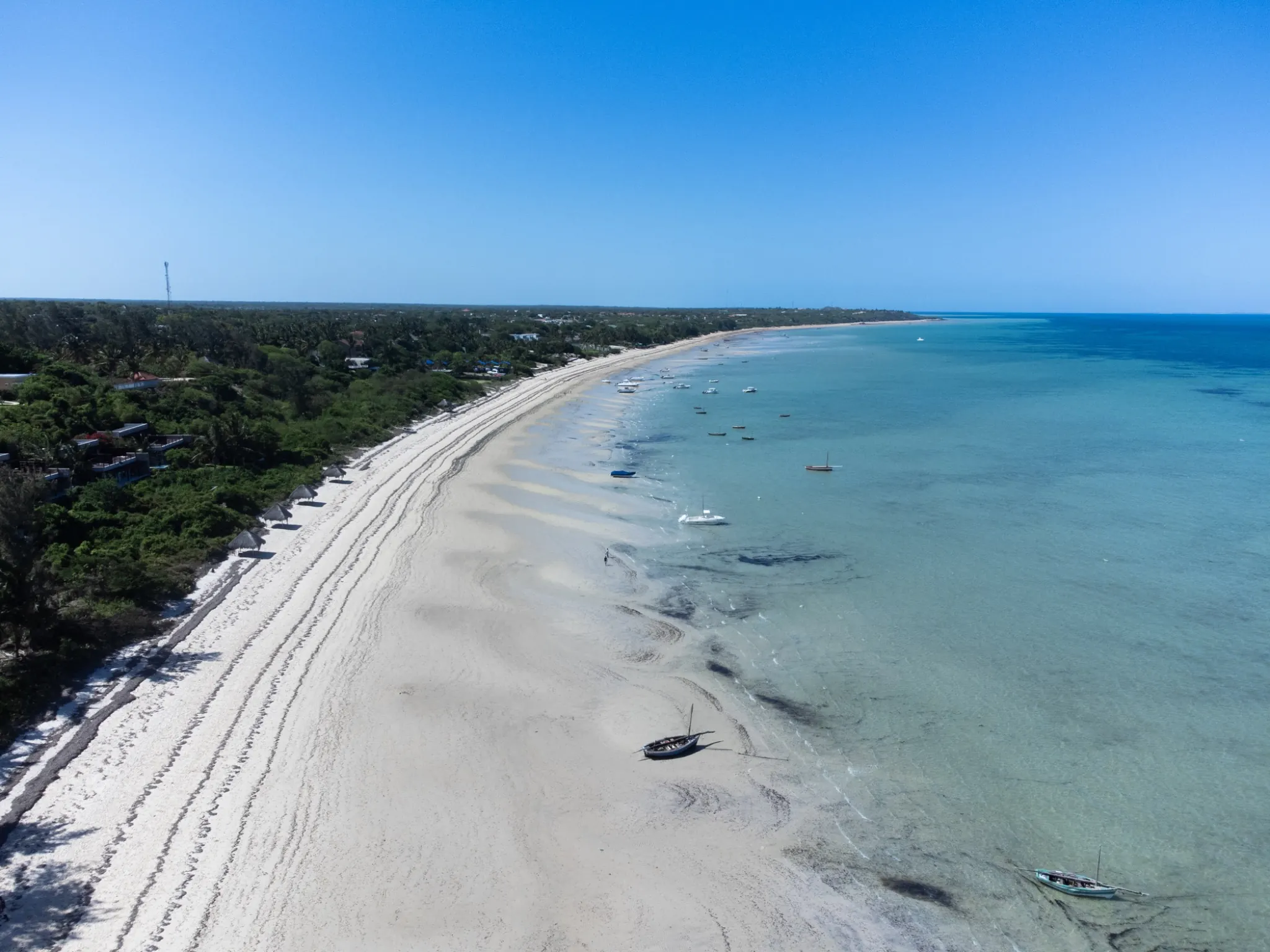
Vilanculos invites another approach. Here, the Indian Ocean shapes the landscape, traditional boats cross the bay and the Bazaruto Archipelago offers opportunities to explore remarkable coastal and marine environments. Yet the destination is more than a collection of excursions. There is a mainland town with its own daily rhythms, local businesses, markets, food and communities whose lives are connected to the coast.
Exploring Vilanculos with intention means deciding what matters to you before deciding how much you can fit into a day. It means preparing well without trying to control every detail, approaching local life with curiosity rather than expectation, and allowing the weather, the landscape and the experience itself to influence your plans.
You do not need to travel slowly all the time, avoid organised activities or abandon your itinerary. Intentional travel is simply a more considered way of making choices. Instead of asking how many things you can do during your stay, ask which experiences will make the time meaningful.
What does it mean to travel with intention?
Travelling with intention begins with understanding what you want from a destination. For some visitors, that might mean spending time in nature and learning about marine conservation. For others, it could mean exploring local food, taking a traditional dhow trip, photographing the coastline or simply enjoying a few days away from a demanding routine.
There is no single correct way to experience Vilanculos. A traveller who wants to spend every morning on the water may have different priorities from someone who prefers long lunches and quiet afternoons. The important thing is to recognise those priorities and plan around them rather than follow an itinerary designed for someone else.
Start by identifying two or three experiences that matter most to you. These become the anchors of your stay. Everything else can remain flexible, giving you the freedom to explore without feeling that you are constantly behind schedule.
For example, if visiting the Bazaruto Archipelago is your main priority, choose an excursion carefully and leave enough time in your itinerary to accommodate possible weather changes. If you are more interested in understanding the mainland, reserve time for the town, its markets and its food rather than treating those experiences as optional activities to squeeze in at the end.
Intentional travel also involves recognising what you do not need to do. You do not have to visit every island, try every activity or photograph every viewpoint. Sometimes, choosing fewer experiences creates more space to appreciate the ones you have selected.
Choose depth over a packed schedule
It can be tempting to fill every day with something different, particularly when visiting a destination that offers beaches, boat trips, snorkelling, wildlife encounters and opportunities to explore the mainland. A packed itinerary may look impressive on paper, but it can leave little room for rest or unexpected discoveries.
Each activity also has practical demands. An excursion may involve an early departure, a transfer, time on a boat and several hours in the sun. By the time you return, you may not feel like heading straight to another restaurant or organised experience. Building recovery time into your schedule makes the trip more comfortable and gives each activity room to stand on its own.
Rather than planning several major activities in a single day, consider choosing one main experience and allowing the rest of the day to develop around it. After a morning on the water, you might spend the afternoon relaxing at your accommodation or taking a gentle walk along the mainland coast. After a day exploring Vilanculos, you may prefer an unhurried dinner instead of another scheduled excursion.
Give your most important experiences enough time
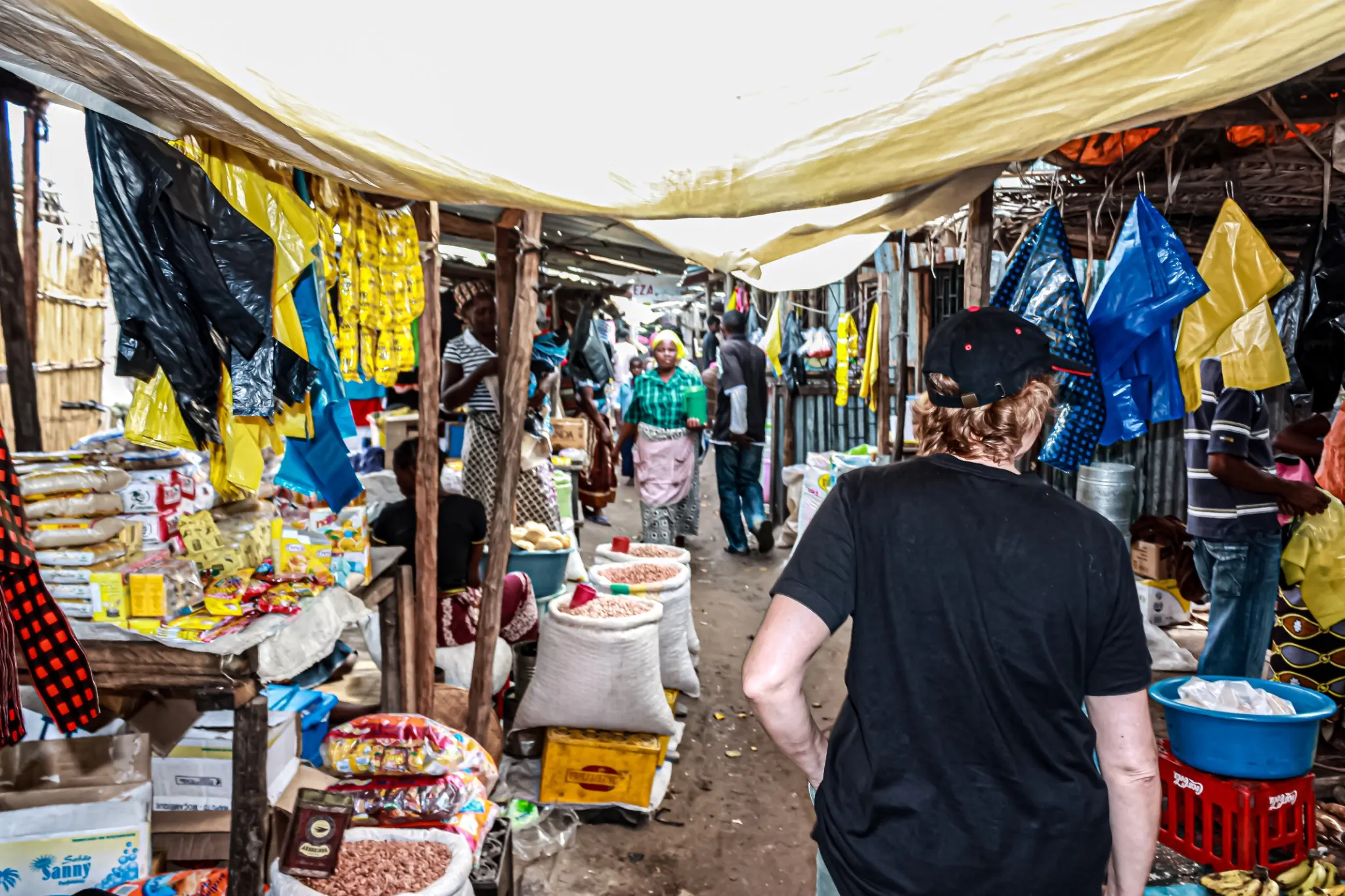
Think about the difference between completing an activity and experiencing it properly. A rushed visit to a market may allow you to see the stalls, but a little extra time gives you the opportunity to notice the variety of goods, understand what is being sold and have a conversation when it is appropriate.
Similarly, a boat trip should not be judged only by how many locations it covers. The journey itself may be part of the appeal, particularly when sailing on a traditional dhow. Watching the coastline change, noticing the movement of the water and enjoying the time away from the mainland can be as memorable as arriving at the destination.
Our Vilanculos itinerary guide offers frameworks for different trip lengths. Use it as a starting point rather than a rigid timetable, adapting the suggestions to your interests, energy levels and travel arrangements.
Leave space between activities
A useful itinerary includes time that has no fixed purpose. This could be an open afternoon, a morning without an alarm or a day that can be moved if the weather changes. That flexibility is particularly valuable in a coastal destination, where wind, tides and sea conditions can affect excursions.
Leaving space does not mean wasting time. It gives you the freedom to accept a local recommendation, stay longer somewhere you enjoy or change your plans without feeling that the entire trip has been disrupted.
If a particular activity is unavailable, you can explore the mainland instead. If you return from an excursion tired, you can rest without sacrificing another booking. And if you discover that you enjoy a slower pace, you can follow it rather than rushing towards the next item on your list.
For inspiration, read our guide to a slow travel weekend in Vilanculos, which explores how to balance coastal experiences with time to unwind.
Look beyond the islands and discover the mainland
The Bazaruto Archipelago is an important part of Vilanculos' appeal, but the mainland deserves attention in its own right. Vilanculos is not simply a place to sleep before an excursion. It is a living coastal town where people work, shop, travel, prepare food and go about their daily lives.
Spending time on the mainland provides a different perspective on the region. The islands may introduce you to marine environments and sweeping sandbanks, while the town offers opportunities to discover local commerce, coastal food and the everyday relationship between the community and the sea.
Consider setting aside part of a day to explore the town rather than reserving every available hour for organised activities. Visit a market, ask your accommodation about a local restaurant or take time to understand the places you pass through on the way to the beach.
Approach these experiences with curiosity, but remember that ordinary community spaces are not necessarily tourist attractions. Markets are places where people shop and earn a living. Streets are part of daily life. People working near the waterfront may be occupied with fishing, transport or other responsibilities.
You can learn a great deal simply by observing respectfully, asking appropriate questions and allowing people to continue their activities without interruption. There is no need to turn every interaction into a photograph or expect every person you meet to provide a cultural explanation.
Read Vilanculos Beyond the Islands: Discovering the Mainland Town for a closer look at local markets, food, coastal life and ways to explore the mainland thoughtfully.
Approach local culture with curiosity and respect
One of the most rewarding parts of travelling is encountering ways of life that differ from your own. But meaningful cultural discovery requires more than visiting a market or buying a souvenir. It begins with recognising that a destination belongs to the people who live there, not only to the visitors who come to experience it.
Vilanculos forms part of Inhambane Province, a region with its own histories, languages, food traditions and community identities. Mozambique is culturally diverse, and there is no single experience that represents every community or every aspect of local life.
Instead of arriving with fixed expectations, allow your understanding to develop through the places you visit and the conversations you have. Ask about a dish before ordering it, learn a few useful Portuguese phrases or ask a local contact for recommendations on places to explore.
Portuguese is the official language of Mozambique and can be useful in everyday interactions, although language use varies between communities and individuals. A greeting, a polite question or a simple expression of thanks can make an interaction more comfortable. Do not assume that everyone speaks English, and be patient when communication takes more effort.
Understand the difference between participation and observation
Some cultural experiences are organised specifically for visitors, while others occur as part of ordinary community life. Understanding the difference helps you decide how to participate appropriately.
If you book a guided cultural experience, ask who is hosting it, what the activity involves and whether there are particular expectations for visitors. A good host should be able to explain the experience without making exaggerated claims about what it represents.
In public spaces, be mindful of the fact that other people may not want to participate in your travel experience. Ask before photographing individuals, especially children. Respect a refusal without pressing for an explanation, and avoid treating people as subjects simply because their surroundings look unfamiliar to you.
Our guide to local guides and cultural experiences in Vilanculos offers more practical advice on choosing experiences, asking questions and engaging respectfully.
Support local businesses thoughtfully
Spending money locally can be one way to engage with the mainland economy. Depending on what is available during your stay, you might buy something from a market stall, dine at a local restaurant or arrange an activity through a local guide or operator.
Make choices based on what you genuinely want to experience and the quality of the service being offered. Ask what is included, confirm prices and understand the arrangements before agreeing to a purchase or excursion.
It is also important to avoid assumptions. A business operating in Vilanculos is not automatically locally owned, and a product sold at a market is not necessarily handmade by the person selling it. If these details matter to your decision, ask respectfully rather than assuming.
Thoughtful spending is not about making every purchase into a moral calculation. It is about recognising that tourism involves real people, businesses and livelihoods, and making informed choices where practical.
Let nature remain wild
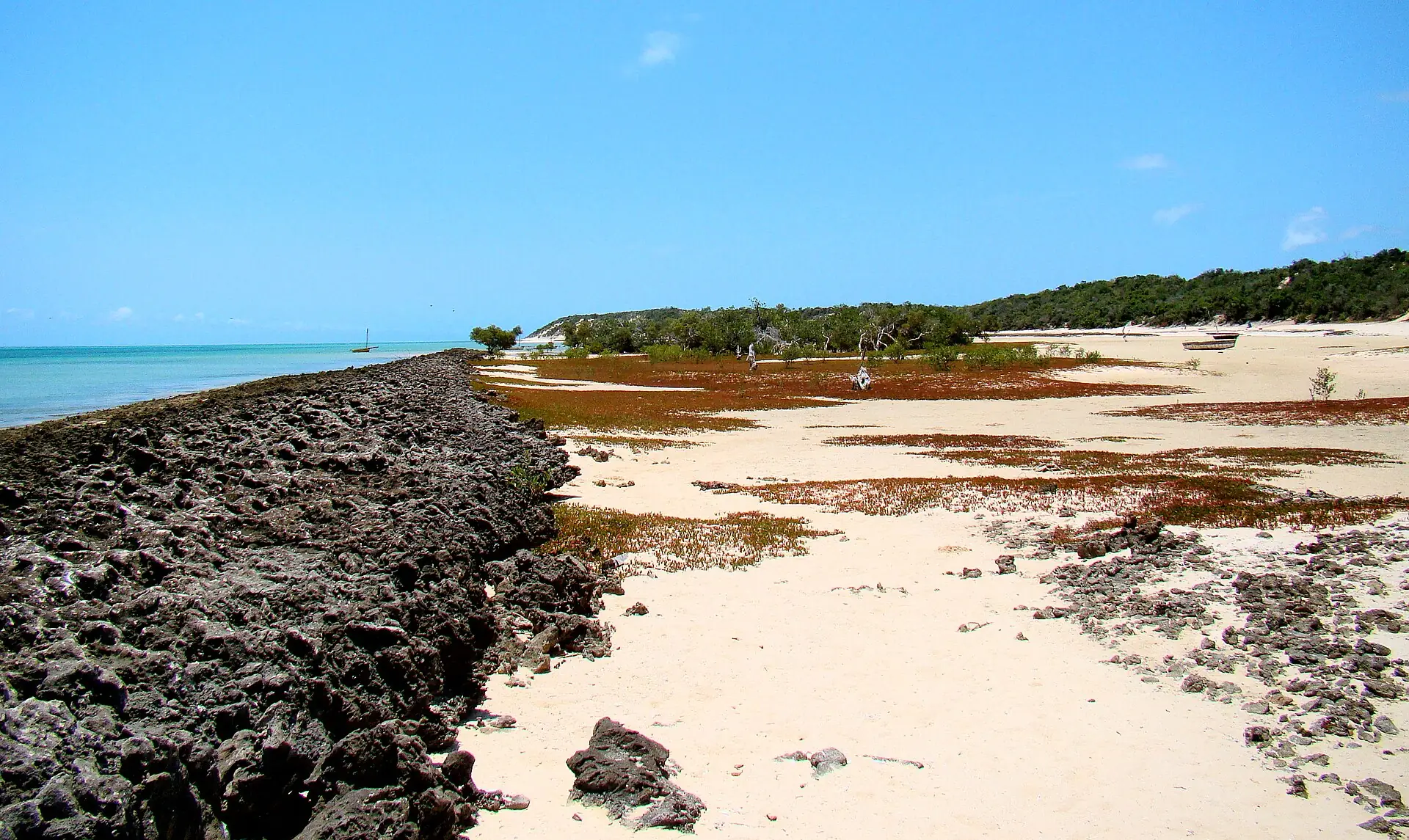
The natural environment is central to the experience of Vilanculos and the Bazaruto Archipelago. The surrounding waters support marine habitats and wildlife, while beaches, sandbanks and reefs form part of the landscape that attracts visitors to this stretch of Mozambique's coast.
For many travellers, the possibility of seeing marine animals is a major reason to visit. Yet wildlife is unpredictable. Dugongs, turtles, dolphins and other animals inhabit the wider region, but their presence at a particular location or time cannot be guaranteed.
A responsible approach begins by accepting that wildlife encounters happen on nature's terms. Choose operators who prioritise appropriate behaviour, follow the guide's instructions and avoid pressuring anyone to approach, chase or disturb an animal for a closer view or a photograph.
Make responsible choices on the water
Before booking an excursion, ask about the route, the planned activities and the operator's approach to wildlife. Look for clear safety arrangements and realistic explanations of what the trip may involve. Be cautious of promises that guarantee particular sightings or suggest that animals can always be approached closely.
Once on the water, keep a respectful distance from marine life and avoid touching, feeding or pursuing animals. If you go snorkelling, never stand on coral or use it as a resting point. Coral reefs are living habitats, and careless contact can cause damage.
Keep rubbish secure throughout the trip and take it back to shore. Avoid leaving plastic, food packaging or other waste on beaches or islands. Small actions may seem insignificant during a single visit, but responsible habits are part of protecting the environment that makes the destination special.
For more guidance, read our responsible traveller's guide to Bazaruto's dugongs and marine life and our article on protecting Bazaruto's coral reefs.
Choose experiences that respect the conditions
Responsible travel also means recognising that nature does not operate according to a booking confirmation. Wind, tides and visibility may affect whether an excursion is appropriate. A route may change, a departure may be delayed or an activity may be cancelled.
These decisions can be disappointing, especially when you have been looking forward to a particular experience. But a flexible itinerary allows you to respond without feeling compelled to accept unsuitable conditions or pressure an operator to continue.
For practical advice about swimming, boat trips and snorkelling, consult our guide to beach and ocean safety in Vilanculos.
Prepare well without planning every detail
Intentional travel is not the same as travelling without preparation. In fact, getting the essentials right can make it easier to relax once you arrive. The goal is to organise the details that genuinely matter while leaving room for the experience to unfold.
Before travelling, confirm your accommodation, transport arrangements and any activities that require advance booking. Check current entry requirements through official sources, review relevant cancellation terms and keep important information available offline in case you have limited connectivity.
For excursions, understand what the price includes. Ask about departure and return times, transfers, meals, drinking water, equipment and any additional charges. If an activity depends on weather or tides, find out how the operator communicates changes and what alternatives may be available.
Pack for the activities you have chosen
A practical packing list should reflect your itinerary rather than every possible activity. For a coastal stay, useful items may include lightweight clothing, comfortable footwear, sun protection, a reusable water bottle and a waterproof bag for essential belongings during boat trips.
If you intend to snorkel, ask whether the operator supplies equipment and whether it is suitable for your experience level. If you are prone to seasickness, consider the duration of the journey and seek appropriate professional advice about preventive options before travelling.
Bring any personal medication you normally need and plan for time outdoors in warm conditions. It is easier to enjoy a day on the water when you are adequately prepared than to spend it worrying about something you could have organised beforehand.
Our Vilanculos travel planning checklist provides a practical starting point for preparing your trip.
Know what needs to be booked and what can remain flexible
Some arrangements benefit from advance planning, particularly accommodation, transport connections and excursions with limited availability. Other experiences may be easier to decide on once you have arrived and spoken with your accommodation or local operators.
Consider separating your plans into two categories: essentials that need confirmation and optional activities that can be arranged later. This helps prevent unnecessary scheduling while ensuring that important details are covered.
If a particular island excursion is central to your trip, arrange it with enough flexibility to account for possible changes. If trying a restaurant or visiting a market is more spontaneous, you may prefer to ask for current recommendations after arrival.
The result is a trip that is prepared but not overcontrolled: the important details are settled, while everyday decisions remain open.
Build flexibility into your itinerary
Vilanculos is a coastal destination, and some of its most memorable experiences depend on conditions outside your control. Wind can affect sailing and boat excursions. Tides can influence access to certain areas. Weather may change the comfort or suitability of an activity.
Rather than treating these possibilities as problems to solve at the last minute, build flexibility into your schedule from the beginning. If visiting the islands matters to you, consider leaving an alternative day available rather than placing the excursion on the final morning before a flight or transfer.
This approach also makes the trip more enjoyable if everything goes according to plan. You can use the extra time to relax, explore the mainland or revisit a place you particularly enjoyed.
A flexible approach to a three-day stay
If you have three days in Vilanculos, choose a small number of priorities rather than attempting to cover every available activity.
- Day one — Arrive and settle in: Allow time for your transfer, check-in and a relaxed introduction to the coast. Keep the schedule light so that travel delays or fatigue do not affect your plans.
- Day two — Choose your main experience: If conditions are suitable, take an island excursion or another activity that matters most to you. Leave room afterwards to rest and enjoy an unhurried evening.
- Day three — Explore the mainland: Visit a market, try local food, spend time near the coast or follow a recommendation from someone who knows the area. Adjust the plan around your departure arrangements.
This outline is only a framework. If the weather affects your excursion, switch the order of your activities where possible. If your transport schedule is tight, prioritise the arrangements that need to happen at a fixed time.
A more relaxed approach to five or seven days
With five or seven days, you have more opportunity to separate activities and leave time between them. You might dedicate one day to an island excursion, another to the mainland town, another to a different coastal experience and the remaining time to rest or explore at your own pace.
Longer stays also give you more room to respond to recommendations. You may discover a restaurant you want to revisit, decide that you prefer quieter days or find an activity that deserves more time than you originally expected.
Do not feel that a longer holiday needs to contain proportionally more activities. Additional nights can make the experience better precisely because they reduce the pressure to do everything at once.
For more detailed planning ideas, explore our three-, five- and seven-day Vilanculos itinerary guide.
Make room for the ordinary moments
Some travel memories come from major experiences: a boat crossing, a beautiful island or an encounter with marine life. Others emerge from moments that were never part of the plan.
It might be an unhurried breakfast before the day begins, a conversation about a dish on a menu, the sight of boats moving across the bay or the changing light along the coast in the late afternoon. These moments may not require a ticket or reservation, but they can become an important part of how you remember a place.
To leave room for them, resist the urge to treat every free hour as an opportunity to add another activity. Give yourself permission to spend time somewhere without needing to justify it as a major attraction.
Put your phone away occasionally. Look at the landscape rather than only through a camera. Enjoy a meal without immediately planning the next part of the day. If a place interests you, stay a little longer when your schedule allows.
This is not a rule that every traveller must follow. Some people enjoy photographing every detail or planning their days carefully. The point is to make those choices deliberately, rather than feeling compelled to document or complete everything.
Travel with respect for the place and its people
Being an intentional traveller means thinking about how your presence affects the places you visit. This does not require a perfect understanding of local culture or a long list of rules. It begins with ordinary consideration.
Ask before photographing people. Respect private spaces and areas where work is taking place. Follow local guidance around beaches, boats and wildlife. Be clear about prices and arrangements when booking a service, and treat workers and guides with the same courtesy you would expect in your own community.
When visiting a market, remember that it serves local customers as well as visitors. Keep walkways clear, avoid interrupting transactions and do not assume that a seller is available to answer questions or pose for photographs. If you choose to make a purchase, do so because you value the item rather than because you feel obliged to buy something.
These gestures may seem small, but they shape the quality of an interaction. They also help you engage with Vilanculos as a place with its own priorities, rather than as a backdrop arranged for a holiday.
Choose experiences that match your values
Not every activity will appeal to every traveller, and not every experience advertised to visitors will be the right fit. Consider what you want to learn, how you prefer to spend your time and what practical requirements matter to you.
If you value marine conservation, ask operators how they approach wildlife encounters and reef protection. If cultural discovery matters to you, look for experiences where the host can explain the activity and answer questions clearly. If you prefer a quiet holiday, choose fewer organised excursions and spend more time enjoying the coast.
For boat trips, ask about safety arrangements, the planned route and what happens if conditions change. For guided activities, confirm what is included and whether the experience suits your interests and abilities. A thoughtful choice is one that fits both your expectations and the realities of the destination.
It is also worth being cautious about claims that sound too absolute. No operator can guarantee every wildlife sighting, every sunset or perfect weather. A clear explanation of what is possible, what is included and what may change is generally more useful than a promise that sounds too good to be true.
When you choose experiences carefully, you are more likely to appreciate them for what they genuinely offer rather than compare them against expectations that were never realistic.
How SAMARA fits into a more intentional stay
At SAMARA, we see accommodation as part of the wider travel experience rather than an isolated destination. A place to stay provides a base from which to explore, rest, organise activities and decide what the day should look like.
SAMARA Lodge Vilanculos is part of the mainland experience and a starting point for discovering the coast. From there, guests can plan time on the water, explore the town, enjoy local food or simply leave space in the schedule to relax.
We want the SAMARA Journal to help travellers arrive better prepared and develop a more informed understanding of the places they visit. That includes practical guidance on planning, safety and activities, alongside stories that encourage curiosity about local life and the natural environment.
Our approach is not to prescribe a single ideal holiday. It is to help guests make decisions that suit their interests, respect the destination and allow room for meaningful experiences.
Plan your stay: explore SAMARA booking options.
Travel with intention: prepare for the journey, respect the place and leave room to be surprised.
Frequently asked questions about intentional travel in Vilanculos
What does it mean to explore Vilanculos with intention?
It means choosing experiences that reflect your interests, preparing for important practical details and leaving enough flexibility to enjoy the destination without rushing. It can include island excursions, time on the mainland, local food, nature and rest, depending on what matters most to you.
How can I avoid overplanning my holiday?
Choose a few priority experiences, schedule only what needs to be booked in advance and leave some open time between activities. Allow for travel time, rest and possible weather changes. You can use local recommendations to decide how to spend the remaining time once you arrive.
Should I spend time in Vilanculos town if I am visiting Bazaruto?
Exploring the mainland offers a different perspective from visiting the islands. You can discover local markets, food, coastal life and everyday commerce. Even a short visit can add variety to an island-focused itinerary.
How can I support local communities while travelling?
Consider using local services, buying products thoughtfully and choosing activities with clear arrangements. Ask questions respectfully, confirm prices before making purchases and recognise that residents may be working or carrying out daily routines rather than participating in a tourist experience.
How can I be a more responsible wildlife visitor?
Choose operators who prioritise safety and appropriate wildlife behaviour. Keep a respectful distance from animals, do not touch or chase marine life, avoid damaging coral and take rubbish back to shore. Remember that sightings are never guaranteed.
What should I do if bad weather changes my plans?
Follow the advice of your accommodation and activity operator, particularly when the decision concerns safety. If possible, move your excursion to another day or use the time to explore the mainland. Building flexibility into your itinerary makes these changes easier to manage.
How many days should I spend in Vilanculos?
The right length depends on your interests and transport arrangements. A shorter stay may be enough for one main excursion, while several days provide more opportunity to explore the mainland, enjoy the coast and allow for changes in weather or availability.
Do I need to book every activity before arriving?
No. Accommodation, transport connections and activities with limited availability may benefit from advance booking. Other experiences can often be considered after arrival, depending on the season and local availability. Confirm the essentials and leave room for spontaneous decisions.
Further reading
- A Three-, Five- or Seven-Day Vilanculos Itinerary
- A Slow Travel Weekend in Vilanculos
- Vilanculos Beyond the Islands: Discovering the Mainland Town
- A Guide to Local Guides and Cultural Experiences in Vilanculos
- A Responsible Traveller's Guide to Bazaruto's Dugongs and Marine Life
- Why Bazaruto's Coral Reefs Need Thoughtful Visitors
- Vilanculos Travel Planning Checklist
- A Thoughtful Guide to Beach and Ocean Safety in Vilanculos
- Visit Mozambique: Vilankulo Destination Guide
- African Parks: Bazaruto Community Development
Vilanculos offers more than a checklist of places to see. Its islands, coastline, town and communities each contribute something different to the experience, and there is no need to discover everything in a single visit. Choose the experiences that matter, prepare for the details that count and leave room for the unexpected.
The most rewarding journey is not always the one with the fullest itinerary. Sometimes it is the one that gives you time to notice where you are, appreciate the people and environment around you, and return home with a deeper sense of the place you visited.
When you are ready to plan your stay, visit SAMARA's booking website to explore accommodation options. Build a trip around your priorities, leave room for flexibility and discover Vilanculos at a pace that feels right for you.