A Thoughtful Guide to Beach and Ocean Safety in Vilanculos
Practical ocean-safety guidance for Vilanculos visitors, including local advice, boat safety, swimming judgement and snorkelling limits.
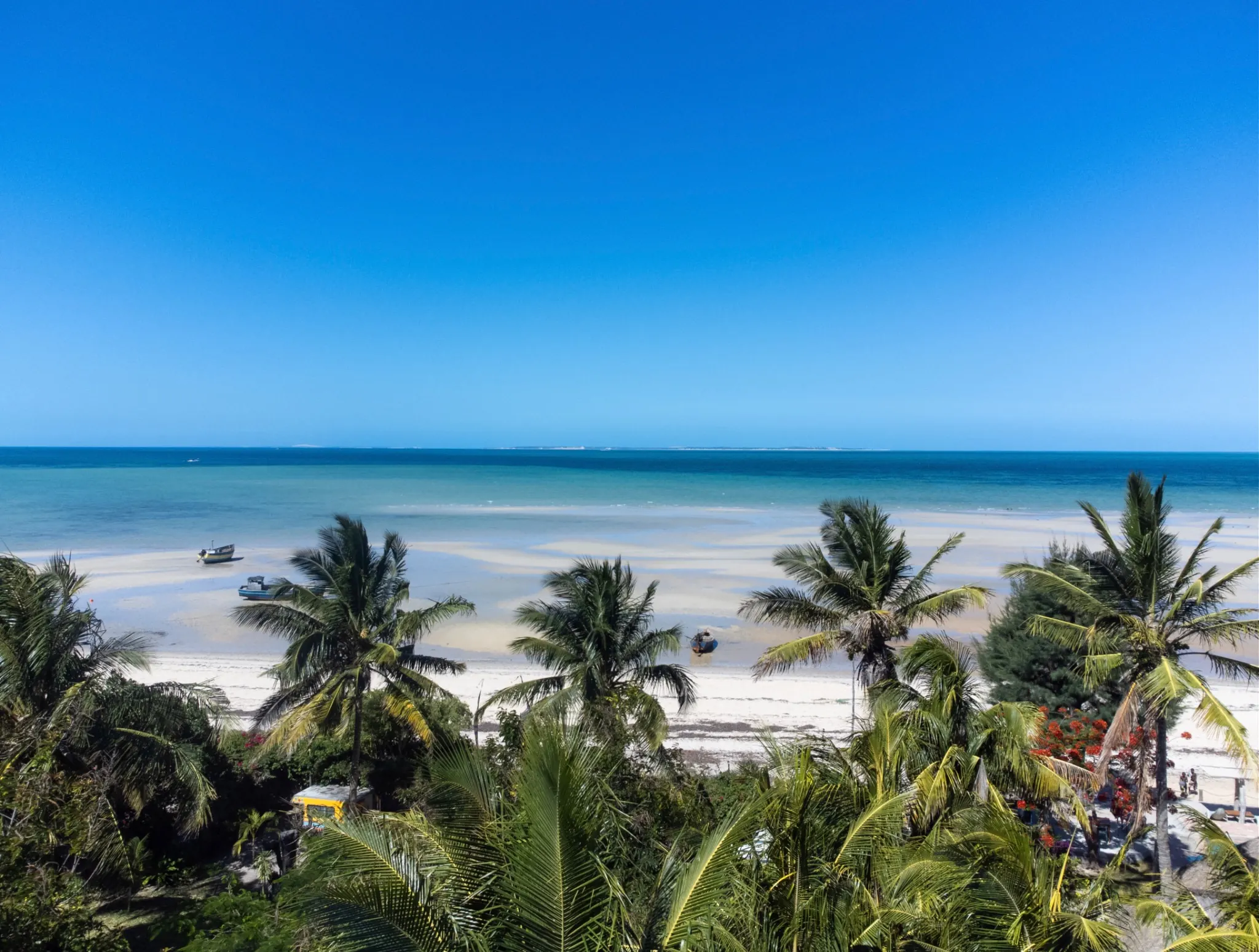

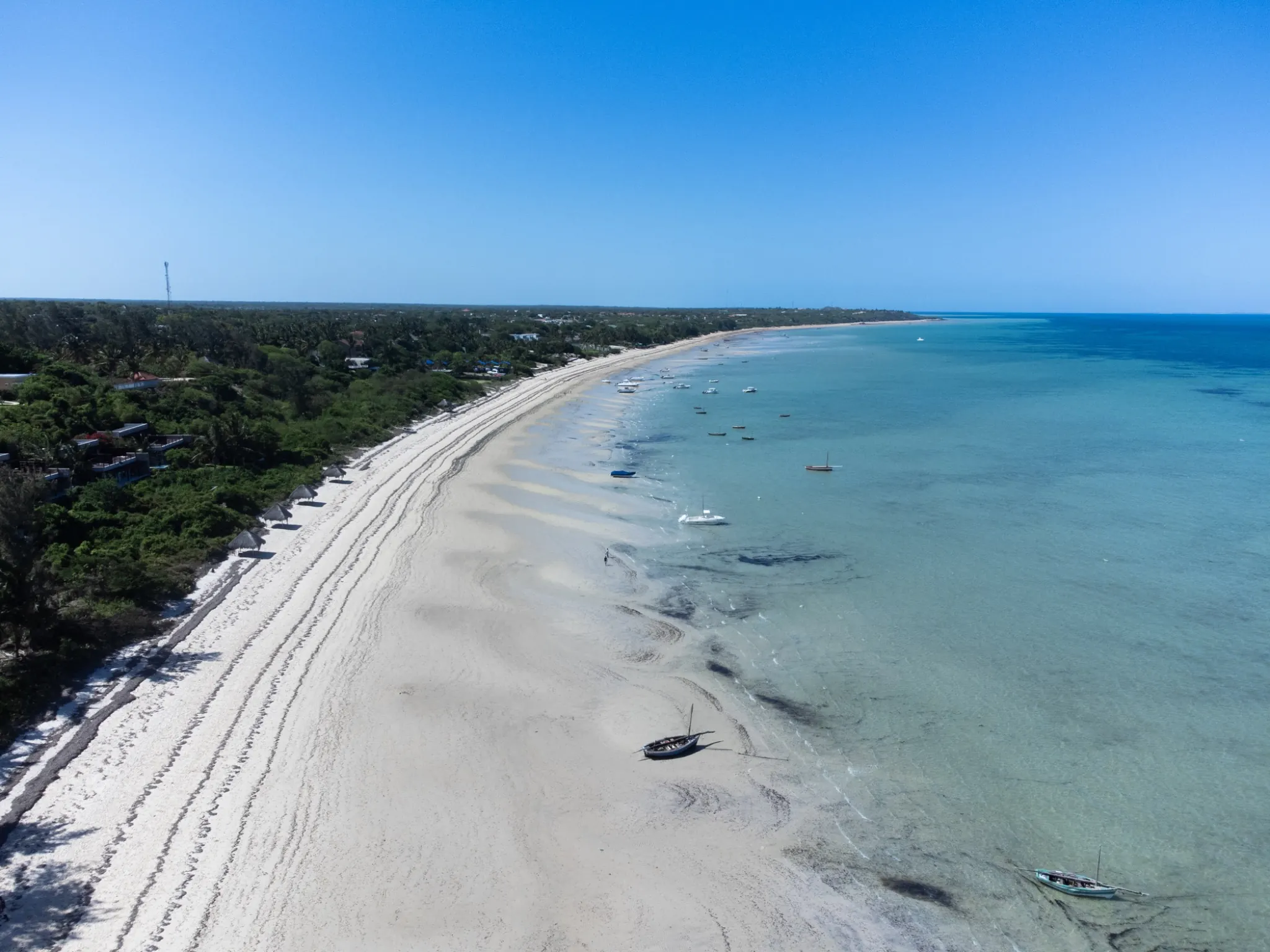
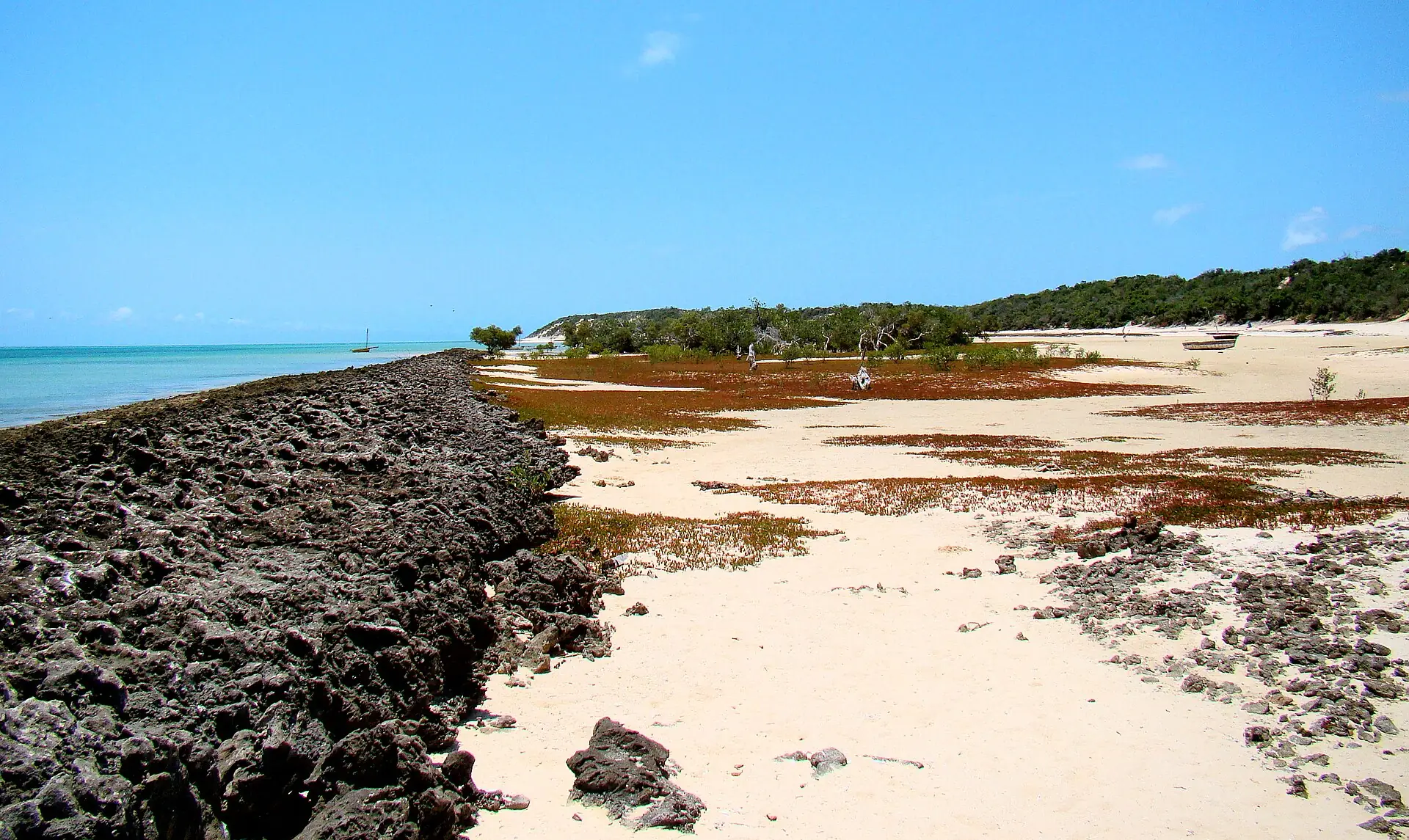
The Indian Ocean is a major part of Vilanculos’ appeal, from its long mainland beaches to the islands and reefs of the Bazaruto Archipelago. Yet a beautiful coastline does not tell you everything about conditions in the water. Wind, currents, tides, visibility and local hazards can change the risk quickly. A safe and enjoyable visit begins with local guidance, realistic expectations and a willingness to adapt your plans.
Whether you are planning a relaxed swim, a dhow trip, a snorkelling excursion or a full day exploring the islands, understanding the basics of ocean safety can help you make better decisions. The aim is not to avoid the sea, but to enjoy it responsibly and recognise when conditions are unsuitable.
Ask Before Swimming
Never assume that a beach is safe for swimming simply because other people are in the water or the sea looks calm. Ask your accommodation or a knowledgeable local operator about current conditions, suitable swimming areas and any hazards you should know about. Follow warning signs and local instructions, and stay out of the water if you are uncertain.
Conditions can vary considerably along the coastline. A sheltered-looking stretch of beach may still have currents, changing depths or an uneven seabed. Tides can also affect access to the shore, shallow areas and routes around rocks or sandbanks.
Before entering the water, observe the conditions and identify a straightforward route back to shore. Avoid swimming alone, remain within a comfortable distance of the beach and never enter the water if you are exhausted, unwell or affected by alcohol.
Understand Tides, Currents and Changing Conditions
The ocean is constantly changing. Tides influence water depth and can expose or cover shallow areas, while wind and currents can affect swimming, snorkelling and small-boat journeys. Water that looks calm from the beach may feel very different once you are away from shore.
Ask a local guide about the conditions expected during your planned activity rather than relying exclusively on a weather app or a quick look at the sea. Forecasts are useful planning tools, but they cannot replace local knowledge of a particular beach, landing point or excursion route.
- Check conditions before entering: Ask whether the location is suitable for your swimming ability and the day's conditions.
- Pay attention to wind: Wind can affect waves, small boats and the comfort of an excursion.
- Respect the tide: Do not assume a shallow crossing or landing point will remain accessible throughout the day.
- Be willing to change plans: If conditions deteriorate or a guide advises against entering the water, stay out.
If you find yourself struggling in the water, try to remain calm, signal for help and avoid exhausting yourself by fighting conditions beyond your ability. Follow the instructions of trained rescuers or guides. Prevention remains the best approach: do not enter conditions you cannot manage confidently.
Choose Boat Operators Carefully
Boat trips are an important part of exploring Vilanculos and the Bazaruto Archipelago. A responsible operator takes safety seriously before departure, throughout the journey and whenever conditions change. Do not judge an excursion solely by its price, itinerary or photographs.
Before boarding, check that the operator provides a safety briefing and appropriate safety equipment. Ask about passenger capacity, the planned route, weather-related decisions and emergency arrangements. Make sure you understand the instructions and know where safety equipment is located.
- Confirm that suitable life jackets or other appropriate flotation equipment are available.
- Follow instructions about where to sit, when to move and how to board or leave the boat.
- Tell the crew if you cannot swim confidently, have a mobility concern or need assistance.
- Ask whether the trip may be delayed, shortened or cancelled because of wind or sea conditions.
- Do not board if you have serious concerns about overloading, inadequate safety equipment or the crew's ability to operate the trip safely.
Children require close supervision around beaches, docks and boats. Keep them away from boarding areas until the crew says it is safe to approach, and follow the operator's advice about suitable equipment and supervision.
A professional operator should be willing to explain safety procedures and make conservative decisions. If an excursion is cancelled or the route changes because conditions are unsuitable, respect that decision. A missed trip is disappointing, but an avoidable incident can have far more serious consequences.
Snorkelling Requires Judgement
Snorkelling can be a memorable way to experience the marine environment around Vilanculos and Bazaruto. However, being able to swim in a pool or calm shallows does not automatically mean you are ready for open-water conditions. Waves, currents, visibility, boat traffic and distance from shore can make a site more demanding than it first appears.
Be honest about your swimming ability and experience. Ask whether the planned site is suitable for beginners, whether flotation aids are available and how the guide will supervise the group. If you are nervous in open water, tell the operator before departure rather than trying to keep up with stronger swimmers.
Before Entering the Water
- Check that your mask, snorkel and fins fit properly and are comfortable.
- Understand the guide's instructions, the boundaries of the activity and the signal to return to the boat.
- Stay with your guide or designated group and keep the boat or exit point in mind.
- Use suitable flotation equipment if recommended or needed for your ability.
- Do not enter the water if you feel unwell, exhausted, panicked or uncomfortable with the conditions.
Once in the water, move at a comfortable pace and conserve your energy. Do not chase fish, turtles or other marine animals, and never touch coral or stand on a reef. If you become tired, distressed or separated from your group, signal for assistance promptly instead of pushing yourself to continue.
For more detailed advice, read our guide to snorkelling in Bazaruto and our article on protecting Bazaruto's coral reefs.
Protect Yourself from the Sun and Heat
Coastal heat, reflected sunlight and time spent on open boats can make it easy to become dehydrated or overheated. The breeze may make the temperature feel more comfortable than it really is, while water and sweat can reduce the effectiveness of some sun-protection measures.
Wear a hat and lightweight clothing that covers exposed skin, use suitable sun protection and reapply it according to the product instructions. Drink water regularly, take breaks in the shade and avoid pushing through dizziness, nausea, headaches or unusual weakness. Tell your guide or travel companion if you begin to feel unwell.
Plan strenuous activities for cooler parts of the day when practical, and remember that a boat excursion may offer limited shade. Bring enough drinking water for the planned activity, along with any medication you normally need. For personal medical concerns that could affect your ability to participate safely, seek qualified medical advice before travelling or booking a demanding excursion.
Weather, Visibility and Itinerary Buffers
Wind and sea conditions may change an excursion, even when the morning begins pleasantly. Visibility can also affect whether snorkelling is worthwhile or appropriate. A responsible operator may postpone departure, change the route or cancel an activity if conditions are unsuitable.
Build flexibility into your itinerary, especially if visiting the islands is a priority. A spare day can give you another opportunity to take an excursion if the original plan is affected by weather. It also means you are less likely to feel pressured into accepting a trip that you do not consider safe.
Before booking, ask how the operator communicates cancellations and changes, whether the itinerary depends on tides or weather, and what alternatives may be available. Confirm the applicable booking and refund terms in advance. Do not assume that an advertised departure time guarantees that the sea will be suitable for every activity.
Our guide to choosing an island excursion explains what to ask before booking. For broader planning advice, see our Vilanculos travel FAQ.
Respect Marine Life and the Coastal Environment
Safety and environmental responsibility often go together. Coral reefs, seagrass beds and other marine habitats can be damaged by careless contact, while approaching or chasing wildlife can stress animals and put visitors in uncomfortable situations.
Keep a respectful distance from marine animals and follow your guide's instructions about wildlife encounters. Never touch, feed, corner or pursue an animal to obtain a photograph. Avoid standing on coral, collecting marine life or leaving rubbish on beaches and boats.
Choose operators who explain how to behave around wildlife and take environmental protection seriously. A good excursion should allow you to appreciate the marine environment without putting unnecessary pressure on it.
Learn more in our responsible traveller's guide to Bazaruto's dugongs and marine life.
What to Bring for a Beach or Ocean Excursion
Your packing list will depend on the activity, its duration and the operator's arrangements. For a typical beach day or boat excursion, consider bringing:
- Drinking water and any personal medication you may need.
- A hat, sunglasses and suitable sun protection.
- Lightweight clothing and a change of clothes where appropriate.
- A waterproof bag for essential items, while keeping rubbish secure and taking it back to shore.
- Suitable footwear for boarding, walking on the beach or moving over uneven surfaces.
- A phone or other communication device protected from water, where appropriate.
Ask the operator what is supplied before packing specialist equipment. Confirm whether snorkelling equipment, flotation aids, drinking water and other essentials are included. Do not assume that every excursion provides the same facilities.
Frequently Asked Questions
Is it safe to swim at every beach in Vilanculos?
No beach should be assumed safe in all conditions. Suitability depends on the location, weather, tide, currents and your swimming ability. Ask a knowledgeable local source about the specific beach and conditions on the day.
Can beginners go snorkelling near Vilanculos?
Some excursions may suit beginners, but this depends on the site and conditions. Tell the operator your experience level, ask about flotation aids and supervision, and choose an activity that matches your abilities. Do not enter open water if you are uncomfortable or unsure.
Should I still go on a boat trip if the weather looks uncertain?
Ask the operator for an assessment of the conditions and follow their safety decision. A forecast or calm view from shore is not enough to determine whether a particular route is suitable. Be prepared for a delay, a different itinerary or cancellation.
What should I do if I am not a confident swimmer?
Tell the operator before booking and before entering the water. Ask whether the activity can accommodate you safely and whether suitable flotation equipment and close supervision are available. Choose a land-based or sheltered alternative if the activity exceeds your comfort level.
How can I help protect the ocean during my visit?
Follow local guidance, keep a respectful distance from wildlife, avoid touching coral, take rubbish back to shore and choose responsible operators. Respecting the marine environment helps preserve the experience for local communities, wildlife and future visitors.
Make Safety Part of a Good Stay
Planning ahead leaves more room to enjoy Vilanculos. Ask questions, listen to local advice and remain flexible when conditions change. You do not need to take unnecessary risks to appreciate the coastline: a relaxed beach day, a guided excursion or a change of plan can all be worthwhile parts of your stay.
SAMARA Lodge Vilanculos can be a mainland base while you confirm local conditions and plan your activities. Ask the team for current guidance and follow the instructions of the relevant boat operators and guides.
Explore SAMARA booking options.
Research and Further Reading
- Visit Bazaruto: Day Visitors — information for visitors planning a trip to the archipelago.
- NOAA Fisheries: Marine Life Viewing Guidelines — guidance on viewing marine wildlife responsibly.