Snorkelling in Bazaruto: What First-Time Visitors Should Know
A practical beginner-friendly guide to snorkelling around Bazaruto, covering equipment, conditions, reef etiquette and marine-life safety.

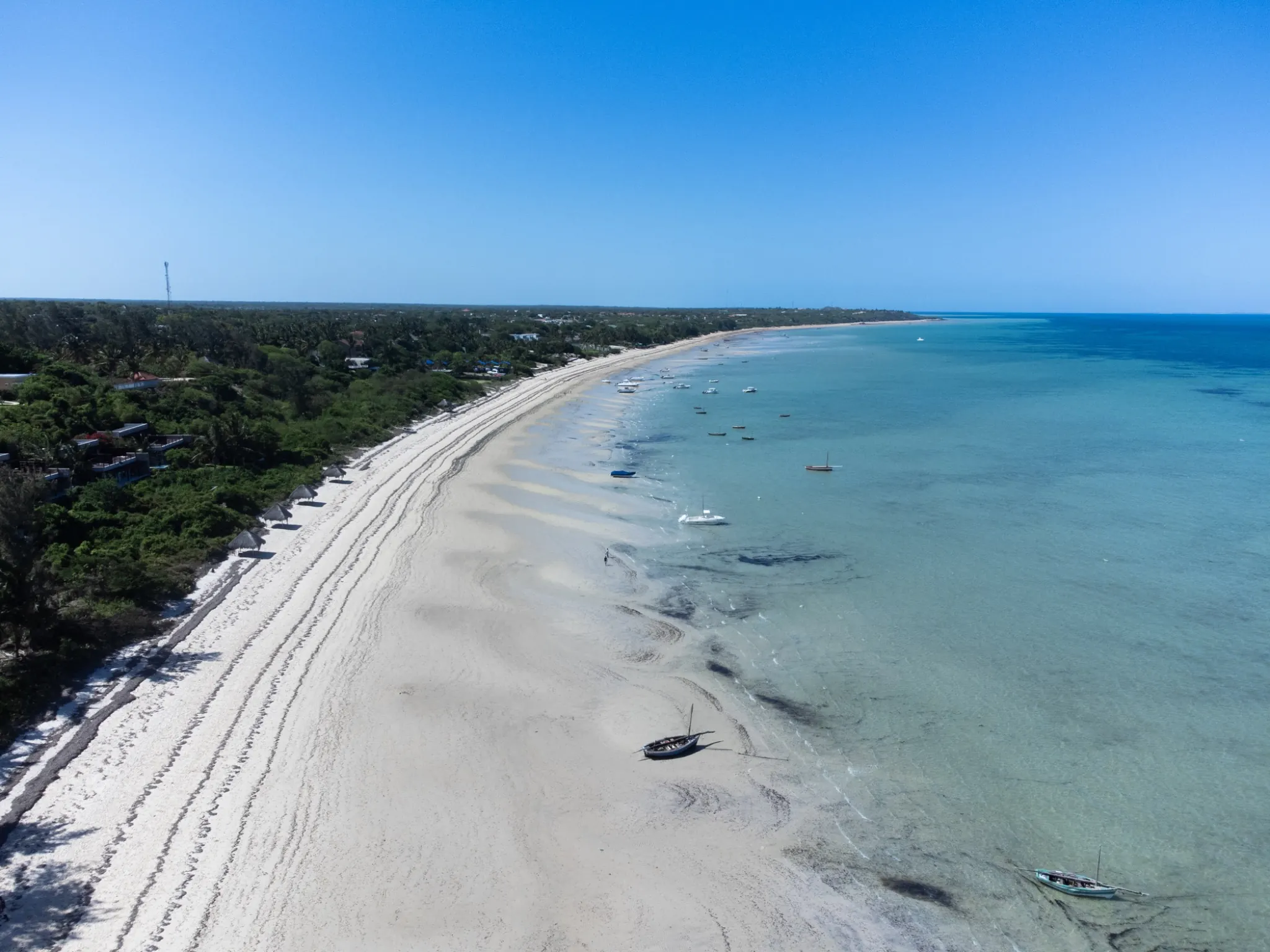
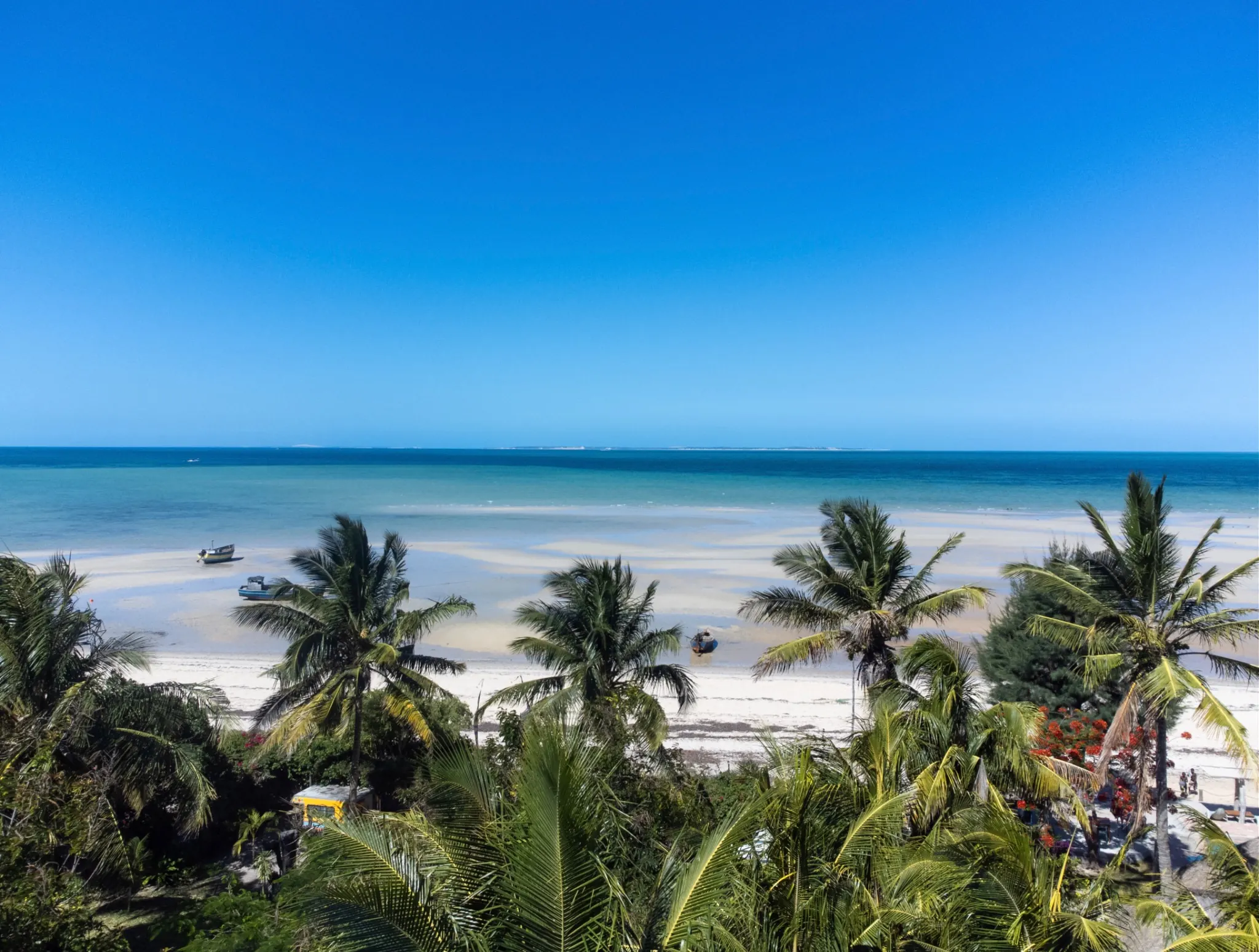
The water around the Bazaruto Archipelago can look almost unreal from the shore: clear turquoise shallows, deep blue channels and pale sandbanks shifting with the tide. For many visitors to Vilanculos, snorkelling offers an opportunity to experience this remarkable coastal landscape from a different perspective.
If you are preparing for your first snorkelling excursion in Bazaruto, you do not need to be an experienced swimmer or marine enthusiast to appreciate the experience. You do, however, need to choose an excursion suited to your abilities, understand that conditions can change, and know how to explore a reef without damaging it.
This guide explains what to expect, what to bring, how to choose a suitable trip and how to make the most of your time in the water while respecting the marine environment.
What makes snorkelling in Bazaruto special?
The Bazaruto Archipelago lies off the coast of Inhambane Province in southern Mozambique. Its islands, reefs, seagrass beds, dunes and beaches form part of a protected marine and coastal landscape. The variety of habitats supports an important range of marine life, making the archipelago an appealing destination for visitors interested in the ocean.
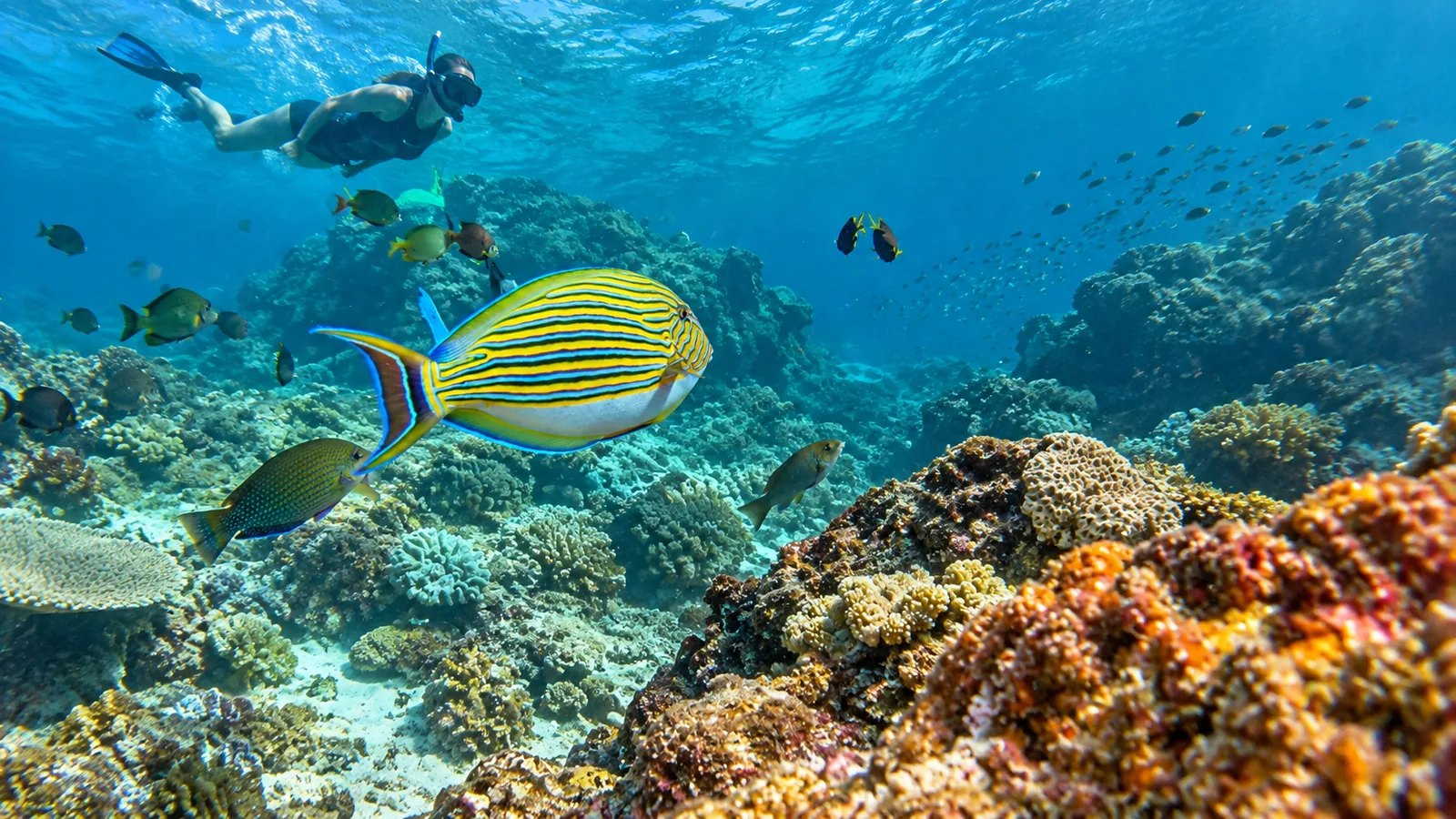
Snorkelling gives you the chance to observe parts of this underwater world while remaining close to the surface. Depending on the location and conditions, you may encounter tropical reef fish, rays and other marine animals. Sea turtles and larger species also inhabit the wider region, although sightings are never guaranteed.
One of the pleasures of snorkelling here is the variety of the experience. You might spend time looking down at a reef, watching the changing patterns of sunlight through the water, or simply floating above a sandy seabed. The experience does not need to revolve around finding a particular species.
Conditions differ from one location to another. A reef that is suitable on one day may be less comfortable on another, depending on tides, wind, swell and visibility. Your guide should help determine which location is appropriate for the group.
For a broader introduction to the islands and their landscapes, read our guide to the Bazaruto Archipelago.
Can beginners snorkel in Bazaruto?
Beginners may be able to snorkel in Bazaruto, provided the excursion, location and conditions are suitable for their abilities. There is no single level of difficulty that applies to every snorkelling trip. Some locations may be calmer and more accessible, while others can involve deeper water, currents or more challenging conditions.
Before booking, explain your experience level honestly. If you have never used a snorkel before, tell the operator. Ask whether the excursion is appropriate for beginners, whether flotation equipment is available and what support the guide provides once guests enter the water.
Being a confident swimmer is helpful, but it does not remove the need to follow safety instructions. Currents, waves, fatigue and changing conditions can affect even experienced swimmers.
If you are not a confident swimmer
Do not assume you must snorkel to enjoy an island excursion. You can choose to remain on the boat, enjoy the beach or take part in other activities offered on the itinerary. If you want to try snorkelling, discuss your concerns with the operator before departure and ask whether a suitable arrangement is possible.
Never enter the water because you feel pressured by the group. If you feel uncomfortable, tired, cold or anxious, tell your guide and return to the boat when instructed. A good excursion should allow you to enjoy the day without exceeding your limits.
Choosing the right snorkelling excursion
Most visitors staying in Vilanculos arrange an island excursion with a local operator, accommodation provider or activity organiser. These trips can combine a boat journey, snorkelling, time on an island beach and lunch, but the exact itinerary varies.
Do not assume that every excursion visits the same reef or island, includes the same equipment or spends the same amount of time in the water. Ask for the actual itinerary before paying, particularly if snorkelling is the main reason for your trip.
What to confirm before booking
- Destination: Ask which island, reef or snorkelling location the excursion plans to visit.
- Conditions: Ask how the operator selects a location based on tides, weather, swell and visibility.
- Experience level: Explain whether you are a beginner, an occasional snorkeller or a confident swimmer.
- Equipment: Confirm whether a mask, snorkel, fins and flotation aid are included, and whether suitable sizes are available.
- Supervision: Ask how guests are supervised in the water and whether a guide enters the water with the group.
- Group size: Find out how many guests will be on the boat and how the operator manages different swimming abilities.
- Price: Confirm whether park fees, meals, transfers, equipment and other charges are included.
- Weather policy: Ask what happens if conditions make the planned excursion unsuitable.
The cheapest excursion is not necessarily the best choice. Equipment, supervision, realistic itineraries and a willingness to change plans when conditions require it can make a meaningful difference to the experience.
For a more detailed booking checklist, see our guide on how to choose an island excursion from Vilanculos.
What to expect on the day
An excursion usually begins with a departure from Vilanculos or an agreed meeting point. The boat journey is part of the experience, with views of the coastline, open water and the islands. The duration of the crossing depends on the destination, boat and sea conditions.
Once at the planned location, the guide should explain where guests may enter the water, how to use the equipment and what boundaries or safety instructions apply. Listen carefully, even if you have snorkelled elsewhere. Local conditions and reef layouts differ, and the guide's instructions are specific to that day's excursion.
You may have time for one or several snorkelling stops, followed by a break on a beach or another activity. Some itineraries include lunch, while others offer different arrangements. Confirm these details beforehand rather than assuming that a particular service is included.
Keep your expectations flexible. The planned route may change if the wind rises, the water becomes rough or the intended location is no longer appropriate. A responsible operator should put safety ahead of completing a fixed itinerary.
What should you bring?
Your operator should tell you which equipment is supplied. For personal comfort, the following items are useful for a day on the water.
- Swimwear: Wear it beneath your clothes if you expect to snorkel during the excursion.
- Sun protection: Bring a hat, sunglasses and clothing that covers exposed skin. Sun exposure can be significant on open water.
- Sun-protective swimwear: A rash vest or similar garment can reduce the amount of sunscreen you need to apply.
- Reef-conscious sunscreen: Choose sun protection thoughtfully and follow local advice. No sunscreen should be assumed to be entirely harmless to marine ecosystems.
- Towel and dry clothing: These are useful after swimming and for the return journey.
- Drinking water: Confirm whether water is supplied and bring enough for the planned trip.
- Dry bag: Useful for protecting personal belongings from splashes and spray.
- Personal medication: Bring any medication you may need during the day.
- Cash or payment method: Check in advance how any extra charges, tips or purchases are handled.
Leave unnecessary valuables at your accommodation. Secure loose items before boarding and follow the crew's instructions about where bags and equipment should be stored.
What about seasickness?
If you are prone to seasickness, consider the boat journey when planning your excursion. Conditions vary, and even a trip that is comfortable for one person may be unpleasant for another. Ask a healthcare professional or pharmacist about suitable preventive medication if you need advice, and follow the product instructions.
Tell the operator if you begin feeling unwell. It is better to speak up early than to wait until you are too uncomfortable to enjoy the excursion.
Understanding water clarity, tides and weather
Photographs of Bazaruto often show exceptionally clear water, but visibility is not constant. Wind, swell, tides, suspended sand and other natural factors can affect what you see beneath the surface. Conditions may also vary between nearby locations on the same day.
For this reason, there is no single month or time of day that guarantees perfect snorkelling. Seasonal weather patterns can help inform travel planning, but the conditions on your excursion date matter more than a general promise of clear water.
Ask your operator about the forecast and the likely conditions before departure. Follow advice about where to enter the water, how far to swim and when to return. Do not leave the group to reach a more distant reef or attempt to swim back to the boat independently.
If the planned location is unsuitable, a change of route or cancellation may be the responsible decision. Build flexibility into your itinerary, especially if the excursion is one of the main activities you hope to experience during your stay.
For wider seasonal planning, read the best time to visit Vilanculos. Remember that general seasonal guidance cannot replace a local assessment of the sea on the day.
How to use your snorkelling equipment
For a first-time snorkeller, the equipment can take a little getting used to. A mask should fit comfortably and create a seal without being painfully tight. Your snorkel should be easy to position, and fins should fit securely without causing discomfort.
If possible, become familiar with the mask and snorkel in a calm, controlled setting before entering deeper water. Ask your guide to explain how to clear a mask if water enters it and how to signal that you need assistance.
Simple habits for a more comfortable experience
- Move slowly and breathe steadily through the snorkel.
- Keep your face relaxed and avoid rushing if you feel unfamiliar with the equipment.
- Use gentle fin movements rather than kicking forcefully.
- Stay close enough to your guide and group to receive assistance.
- Stop if you feel tired, anxious or short of breath, and signal for help when needed.
- Do not use snorkelling equipment as a substitute for swimming ability or appropriate flotation support.
You do not need to cover a large distance to enjoy snorkelling. Taking your time and remaining comfortable is more valuable than trying to keep pace with stronger swimmers.
Marine life you may encounter
The Bazaruto Archipelago supports a range of marine habitats and wildlife. Depending on the location and conditions, snorkellers may see tropical fish and other reef-associated species. The wider region is also important for sea turtles, dolphins, rays and dugongs.
However, wildlife is unpredictable. A particular animal may not appear during your excursion, even if it is known to inhabit the area. Avoid operators who imply that a sighting is guaranteed, and treat any encounter as a privilege rather than an entitlement.
Dugongs are particularly significant to the region's conservation story. These marine mammals depend on seagrass habitats, and the East African dugong population faces serious conservation challenges. Their presence in the wider Bazaruto area highlights the importance of protecting the marine environment, even when visitors do not see one.
If you encounter an animal, remain calm and give it space. Never chase, touch, feed or corner wildlife for a photograph. Follow your guide's instructions and allow animals to move away freely.
For further information about the protected area's natural environment, consult African Parks' information on Bazaruto and the National Administration of Conservation Areas (ANAC).
Responsible snorkelling: protecting the reef
Coral reefs are living ecosystems. Coral may look like rock, but it consists of living animals and the structures they build. Touching, standing on or kicking coral can damage fragile formations, sometimes with lasting consequences.
Even confident swimmers can make accidental contact when waves move them or when they use their fins too close to the reef. Awareness, controlled movement and listening to the guide are therefore essential.
- Never stand on coral. Keep a safe distance from the reef and avoid resting your hands or feet on it.
- Control your fins. Use slow, deliberate kicks and avoid stirring up sand over the reef.
- Do not collect natural objects. Leave coral, shells and other marine material where they belong.
- Do not feed wildlife. Allow marine animals to forage and behave naturally.
- Keep your distance. Do not chase animals or try to touch them for photographs.
- Take rubbish back with you. Secure bottles, wrappers and loose items so they cannot enter the water.
- Follow local rules. Respect protected-area regulations and any instructions about permitted activities or access.
Responsible tourism is not only about avoiding visible damage. It also means choosing operators who respect the protected area, provide realistic information and do not encourage harmful interactions with marine life.
Visitors can help protect Bazaruto by treating the reef as a habitat to observe rather than an attraction to handle. The best encounter leaves the environment as undisturbed as possible.
Is snorkelling suitable for children?
Some children may enjoy snorkelling, but suitability depends on their age, confidence in the water, swimming ability, equipment fit and the conditions on the day. Ask the operator about age restrictions, child-sized equipment, flotation aids and supervision before booking.
Children must be actively supervised around boats and in the water. A life jacket or flotation aid does not replace supervision, and a child should never be encouraged to enter conditions beyond their ability.
If your group includes people with different swimming abilities, ask whether the itinerary allows non-swimmers to remain on the boat or enjoy time on the beach while others snorkel. Confirm these arrangements in advance so everyone can participate comfortably.
What if you decide not to snorkel?
You can still enjoy an island excursion without entering the water. Depending on the itinerary, there may be time to relax on a beach, appreciate the island scenery, explore the sandbanks or simply enjoy the journey across the sea.
If you are travelling with people who want to snorkel while you prefer to stay dry, discuss the options with the operator beforehand. Ask whether there is a comfortable and safe place to wait, and whether the itinerary gives the group time to enjoy the destination together.
The value of an excursion does not depend on how long you spend underwater. The landscape, the light, the boat journey and the time on the islands are all part of the experience.
Planning your snorkelling trip from Vilanculos
Vilanculos is a mainland base for visitors exploring the Bazaruto Archipelago. Staying on the mainland can make it possible to combine a day on the water with time in town, local dining and a more relaxed schedule between excursions.
When planning your trip, confirm the departure time, meeting point, itinerary, inclusions and weather policy. Keep your accommodation and transport details accessible, and avoid scheduling a flight immediately after a sea excursion that could be delayed or changed.
SAMARA Lodge Vilanculos offers a base from which to plan time on the mainland and explore experiences in the surrounding area. If you are considering a stay, visit SAMARA's booking website to explore accommodation options. Confirm the availability and details of any excursion or transfer directly before relying on it for your travel plans.
A first-timer's checklist
- Choose an excursion suitable for your swimming ability and experience.
- Confirm the destination, equipment, supervision, price and inclusions.
- Check the expected weather and sea conditions with the operator.
- Bring sun protection, water, a towel and dry clothing.
- Listen to the safety briefing and stay within the guide's instructions.
- Never touch coral, chase wildlife or leave rubbish behind.
- Keep your plans flexible if conditions change.
A little preparation allows you to focus on the experience rather than worrying about the practical details. Most importantly, remember that the ocean deserves respect: enjoy it at your own pace, follow local guidance and leave the reef undisturbed.
Frequently asked questions about snorkelling in Bazaruto
Can beginners snorkel in Bazaruto?
Beginners may be able to snorkel, depending on their comfort in the water, the location and the conditions. Tell the operator about your experience before booking, ask about flotation equipment and supervision, and do not enter water that feels beyond your ability.
Do I need to bring my own snorkelling equipment?
Equipment arrangements vary by operator. Confirm whether a mask, snorkel and fins are included, and ask whether suitable sizes and flotation aids are available. If you have your own well-fitting equipment, ask whether you can bring it.
Will I see turtles or dugongs?
Wildlife sightings are never guaranteed. Turtles and dugongs inhabit the wider region, but their movements are natural and unpredictable. Choose a responsible operator and enjoy any encounter without disturbing the animal.
Is the water always clear?
No. Visibility changes with wind, swell, tides, suspended sand and other conditions. Ask the operator about the expected conditions for your excursion rather than relying on photographs or seasonal generalisations.
Is snorkelling safe for non-swimmers?
Do not assume that snorkelling is suitable if you cannot swim. Tell the operator about your abilities and ask what alternatives are available. Flotation equipment does not eliminate the risks associated with currents, waves or being in open water.
Can children join a snorkelling excursion?
This depends on the operator's age restrictions, equipment, supervision arrangements and the child's abilities. Confirm the details before booking and ensure that children are actively supervised throughout the trip.
What is the best time to go snorkelling in Bazaruto?
There is no single date that guarantees ideal conditions. Weather, tides, wind and visibility vary. Use seasonal guidance when planning your visit, then check local conditions and the operator's advice for your actual excursion date.
What should I do if the sea conditions change?
Follow the guide's instructions and do not insist on entering the water if conditions are unsuitable. A responsible operator may change the destination, adjust the itinerary or postpone the excursion to protect guests and the environment.
Further reading
- Bazaruto Archipelago: An Island Guide from Vilanculos
- How to Choose an Island Excursion from Vilanculos
- The Best Time to Visit Vilanculos, Mozambique
- Discovering Vilanculos: A Coastal Guide to Mozambique
- African Parks: Bazaruto
- ANAC: Bazaruto Archipelago National Park
Snorkelling in Bazaruto can be a memorable introduction to Mozambique's marine environment. Choose a suitable excursion, respect the sea and its wildlife, and give yourself time to enjoy the experience without rushing. The goal is not simply to see the reef, but to appreciate it in a way that helps preserve it for the future.