Bazaruto Archipelago: An Island Guide from Vilanculos
Understand the five islands of the Bazaruto Archipelago, what makes this protected seascape special and how to plan a responsible day trip.
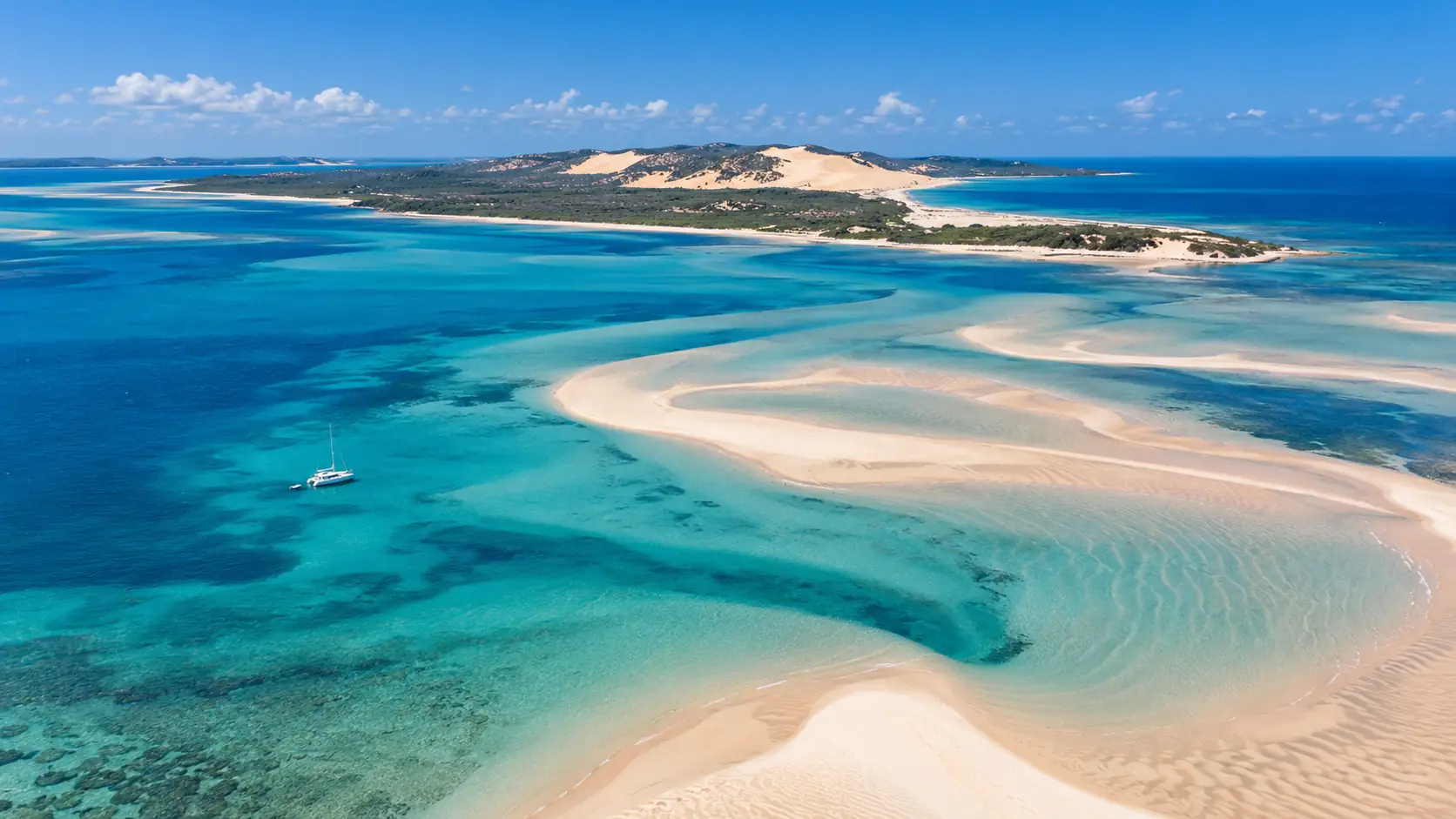

Just offshore from Vilanculos, the Bazaruto Archipelago brings together long sandy beaches, shifting dunes, clear Indian Ocean waters and remarkable marine habitats. For many travellers visiting this part of Mozambique, an excursion to the islands becomes one of the defining experiences of the trip.
Yet the archipelago is more than a collection of beautiful beaches. Its islands and surrounding waters form an important protected landscape, supporting marine biodiversity and communities whose lives have long been connected to the sea. Visiting well means understanding where you are going, choosing suitable activities and approaching the environment with care.
Vilanculos is one of the main mainland starting points for exploring the archipelago. From here, visitors can arrange boat excursions, spend time on selected islands, explore reef environments and enjoy the contrast between the mainland coast and the offshore landscape.
This guide explains what makes the Bazaruto Archipelago special, how its five principal islands differ, what to consider when planning a visit and how to make the most of an island excursion from Vilanculos.
Where is the Bazaruto Archipelago?
The Bazaruto Archipelago lies off the coast of Inhambane Province in southern Mozambique, near Vilanculos and the surrounding mainland coastline. It forms part of a coastal and marine environment that includes sandy shores, dunes, reefs, seagrass habitats and waters supporting a variety of marine life.
The archipelago's five principal islands are Bazaruto, Benguerra, Magaruque, Santa Carolina and Bangué. Together with their surrounding marine habitats, they form part of Bazaruto Archipelago National Park, established in 1971 to protect the area's important natural environment.
The islands are not interchangeable. Their landscapes, access arrangements and visitor experiences differ. Some itineraries focus on beaches and scenery, while others incorporate snorkelling or additional stops. The exact route depends on the excursion, weather, sea conditions, tides and the operator's arrangements.
When researching an excursion, look for a clear description of the actual destination rather than a generic promise to visit Bazaruto. Ask which island or islands are included, how much time is allocated to each stop and whether the itinerary may change on the day.
Meet the five islands of the Bazaruto Archipelago
1. Bazaruto Island
Bazaruto is the largest island in the archipelago and one of its most recognisable landscapes. Its sweeping dunes, sandy beaches and broad coastal scenery give it a distinctive character. From the water, the contrast between the pale sand and the colours of the Indian Ocean can be striking.
For visitors, Bazaruto is particularly appealing for its sense of scale. The island's landscape invites you to look beyond the immediate beach and appreciate the relationship between dunes, shoreline and sea. Depending on the excursion and access arrangements, a visit may include time on the beach, scenic stops or other activities arranged by the operator.
Do not assume that every day trip includes the same parts of the island. Confirm the planned landing point, walking distances, available facilities and time on shore before booking. If the dunes or particular viewpoints are important to you, ask whether they are realistically included in the itinerary.
Bazaruto is also part of a protected marine environment. Visitors should follow local instructions, avoid disturbing wildlife and take all rubbish away with them.
2. Benguerra Island
Benguerra is another major island in the archipelago, known for its coastal scenery and its place within the wider Bazaruto marine landscape. Like Bazaruto, it combines beaches and natural habitats with an environment shaped by the Indian Ocean.
The experience of visiting Benguerra depends on where you go and how the visit is arranged. Some travellers may encounter the island through a day excursion, while others may stay at accommodation on the island. These are different experiences, with different transport arrangements, costs and levels of independence.
If you are planning a day trip, ask how long the boat journey takes, where the boat will stop and whether the schedule allows meaningful time on land. If you are considering an overnight stay, compare the full arrangements, including transfers, meals and the activities available during your dates.
Benguerra can be an appealing option for travellers who want to experience the archipelago beyond the mainland shoreline. The best choice depends on your budget, preferred pace and the specific experience you want from the visit.
3. Magaruque Island
Magaruque is one of the smaller islands in the archipelago. Its beaches and surrounding waters make it a possible destination for excursions that combine time on shore with activities on the water.
For visitors, a smaller-island excursion can offer a different rhythm from a day built around several destinations. However, the experience is determined by the actual route, the time spent at each stop and the conditions on the day rather than the island's size alone.
Before booking, ask whether snorkelling equipment is included, whether the operator expects suitable conditions for entering the water and what alternative arrangements are possible if the sea is unsuitable. If you prefer to spend more time relaxing on the beach than moving between stops, make that preference clear when comparing itineraries.
4. Santa Carolina Island
Santa Carolina is also known as Paradise Island. It is part of the five-island archipelago and has a different character from the larger islands. Its coastal setting and history contribute to the variety of landscapes found across the region.
Access and available activities can vary, so visitors should not assume that a trip to Santa Carolina follows the same format as a visit to Bazaruto or Benguerra. Ask the operator about the intended landing point, the time available on the island and any practical limitations relevant to your travel dates.
As with the other islands, the most rewarding visit is one that respects the environment and follows the guidance of people familiar with local conditions. Leave natural features undisturbed and avoid taking shells, coral or other materials as souvenirs.
5. Bangué Island
Bangué completes the five principal islands of the Bazaruto Archipelago. It is part of the wider protected landscape and its surrounding marine environment.
Not every excursion from Vilanculos visits all five islands. Routes depend on the operator, distance, conditions and the type of experience being offered. Bangué may therefore feature differently in travel planning than the islands more commonly named in excursion descriptions.
If a particular island is important to your plans, confirm whether the excursion actually visits it. A general description of the archipelago does not mean that all five islands are included in one trip.
What can you do in the Bazaruto Archipelago?
Enjoy the beaches and coastal scenery
For many visitors, simply spending time on an island beach is a highlight. The changing colours of the water, the patterns left by the tide and the scale of the dunes create a landscape that feels very different from the mainland town.
Allow time to enjoy the surroundings rather than treating every stop as a quick photograph. Walk only where access is permitted, follow the guide's instructions and take care around dunes and areas with sensitive vegetation. Some parts of a protected landscape may be unsuitable for unrestricted access.
Go snorkelling
The archipelago's marine environment offers opportunities to explore underwater habitats and observe tropical marine life. Snorkelling may be included in an island excursion or arranged as a separate activity, depending on the operator and conditions.
Water clarity, currents and visibility can vary. No operator can guarantee a particular marine-life sighting, and a location that is suitable on one day may not be suitable on another.
If you are new to snorkelling, tell your guide before entering the water. Ask about flotation equipment, currents, depth and the expected conditions. Stay within your abilities, keep a safe distance from animals and never touch or stand on coral.
Read our guide to snorkelling in Bazaruto for more practical advice.
Explore the marine environment responsibly
The waters around the archipelago are important for marine biodiversity. Depending on the location and conditions, the wider region supports species including turtles, dolphins and rays. The archipelago is also important for the East African dugong population, which has been assessed as Critically Endangered.
Wildlife encounters are never guaranteed. Animals move naturally through their habitat, and their presence should not be treated as a service that an excursion can promise. A responsible operator will not chase, crowd or disturb wildlife to improve the chance of a photograph.
Choose an operator who follows local regulations and explains how guests should behave around marine life. Avoid feeding animals, keep noise and disturbance low, and never ask a boat crew to approach wildlife in an intrusive or unsafe way.
Take photographs of the islands
The archipelago offers plenty of opportunities for landscape photography. Beaches, dunes, boats and the changing colours of the water can all be compelling subjects. Morning and late-afternoon light can create different moods, although the conditions will depend on the weather and the timing of your excursion.
Bring suitable protection for your camera or phone, especially on a boat where spray and sand may be present. Follow your guide's instructions when boarding, disembarking or walking in unfamiliar areas, and avoid placing equipment or yourself in unsafe positions for a photograph.
If you photograph local residents or workers, ask permission rather than assuming that a photograph is welcome. Respecting privacy is part of responsible travel.
How to choose an island excursion from Vilanculos
Excursions can differ substantially in duration, destinations, activities and inclusions. A lower headline price does not necessarily represent better value, and a more expensive trip is not automatically the best option. Compare the actual experience being offered.
Confirm the itinerary
Ask which island or islands the excursion plans to visit. Find out whether the schedule includes beach time, snorkelling or other stops, and how much time is allocated to each. Confirm whether the itinerary is fixed or may change with weather, tides and sea conditions.
Understand what the price includes
Ask whether the quoted price includes park fees, transport to the departure point, snorkelling equipment, meals, drinking water and any other expected costs. Clarify whether there are additional charges and how payment works.
Ask about the boat and safety arrangements
Before departure, understand the expected journey, safety equipment and procedures. Ask how the operator handles poor weather, rough conditions or a change in itinerary. If you have mobility requirements, children in your group or limited experience in the water, discuss these needs in advance.
Check the cancellation policy
Sea conditions can affect island excursions. Confirm what happens if the operator postpones or cancels the trip, whether an alternative date is offered and how refunds are handled. Keep the policy and booking confirmation accessible.
Choose an experience that suits your pace
Some travellers prefer to visit several places in one day, while others want a slower excursion with more time on the beach. Be honest about what you enjoy. If your priority is photography, relaxation or snorkelling, explain that when comparing options instead of selecting an itinerary based only on the number of stops.
For a more detailed checklist, read how to choose an island excursion from Vilanculos.
When is the best time to visit Bazaruto?
The best time for an excursion depends on your travel priorities and the conditions during your stay. The wider Vilanculos region generally has a wetter period from around October to April and a drier period through much of May to September. These are broad seasonal patterns, not guarantees of particular weather or sea conditions.
Wind, waves, tides and visibility can affect boat travel and water-based activities. Even during a generally favourable period, individual days may not be suitable for a particular excursion. If visiting the islands is one of the main reasons for your trip, leave some flexibility in your itinerary rather than relying on one fixed departure date.
Wildlife sightings also vary throughout the year and cannot be guaranteed. Choose dates based on the overall trip you want, then confirm activity conditions closer to departure.
For a broader seasonal overview, read our guide to the best time to visit Vilanculos.
What should you bring on an island trip?
A little preparation can make a day on the water more comfortable. Your exact needs depend on the itinerary, the weather and the activities planned, so check the operator's instructions before departure.
- Sun protection: Bring a hat, sunglasses and suitable sunscreen. Clothing that covers the skin can also help reduce sun exposure.
- Drinking water: Confirm whether water is provided and bring a reusable bottle if appropriate.
- Swimwear and a towel: Bring these if swimming or snorkelling is part of your planned excursion.
- Suitable footwear: Ask whether you will need shoes for boarding, walking on sand or visiting uneven terrain.
- Waterproof protection: Protect your phone, camera and other valuables from spray and sand.
- Personal essentials: Bring any medication or items you need during the day.
- Cash and booking details: Confirm the payment arrangements, any additional fees and the meeting point before leaving.
- Light clothing: Choose comfortable clothing suitable for sun, wind and the expected conditions.
Do not bring items that you intend to collect from the natural environment. Leave shells, coral and other natural materials where they belong, and take your rubbish back with you.
Responsible tourism in the Bazaruto Archipelago
The archipelago's beauty depends on the health of its marine and coastal habitats. As a visitor, you can help protect these places through small decisions made before and during your trip.
Respect coral reefs
Coral is fragile. Never stand on, touch or remove coral, and keep your fins clear of the reef while snorkelling. Follow the guide's instructions about where to enter the water and how to move safely through the area.
Give wildlife space
Do not touch, feed, chase or crowd marine animals. Responsible wildlife viewing allows animals to move naturally and avoids unnecessary disturbance. Remember that a sighting is a privilege, not a guaranteed part of an excursion.
Reduce waste
Bring reusable items where practical and avoid leaving packaging, bottles or other rubbish on the beach or in the water. Take everything you bring with you back to shore and dispose of it appropriately.
Respect local communities
The coastline is not only a visitor destination. It is also a place where people live and work. Follow local guidance, ask permission before photographing people, and choose local services where they suit your needs. Treat guides, boat crews and residents with respect, and remember that communities are not attractions to be observed without consideration.
Choose responsible operators
Ask operators how they manage waste, follow park regulations and handle wildlife encounters. Be cautious of promises that guarantee sightings or suggest that animals will be approached closely for photographs. A responsible operator should prioritise safety and environmental care over a particular photo opportunity.
Learn more about the protected area through the National Administration for Conservation Areas and African Parks' overview of Bazaruto.
Should you visit Bazaruto on a day trip or stay overnight?
For many visitors staying in Vilanculos, a day excursion is a practical way to experience the archipelago without changing accommodation. It can work well if you have limited time, want to explore one or more destinations and prefer to return to the mainland at the end of the day.
An overnight stay on an island offers a different kind of trip. It may suit travellers who want to spend more time in the island environment and have a larger budget for accommodation and transfers. However, the logistics and costs can differ significantly from a day excursion, so compare the full arrangement rather than the room price alone.
Consider these questions when deciding:
- How many days do you have available in the region?
- Do you want to focus on the islands or combine them with time on the mainland?
- Is your priority a particular excursion, relaxation or a longer island stay?
- What are the total costs of accommodation, meals, transfers and activities?
- How much flexibility do you want if weather affects your plans?
There is no single right answer. A well-planned day trip can be rewarding, while an overnight stay may better suit travellers who want a slower island-focused experience.
Using Vilanculos as your base
Vilanculos makes a practical base for travellers who want to combine an island excursion with time on the mainland. Staying in town allows you to explore local restaurants and shops, enjoy the shoreline and arrange activities without moving accommodation for every part of the trip.
It also provides flexibility. If sea conditions affect a planned excursion, you may be able to rearrange your schedule and spend the day exploring the mainland instead. This is one reason to avoid making every day dependent on a single activity.
SAMARA Lodge Vilanculos provides a mainland base for discovering the region. You can plan time on the water, explore the town and return to the same accommodation after a day out. Before booking an excursion, confirm the departure point, transport arrangements and expected return time so that the activity fits comfortably into your stay.
Plan your stay: explore booking options with SAMARA.
Frequently asked questions about the Bazaruto Archipelago
How many islands are in the Bazaruto Archipelago?
The archipelago has five principal islands: Bazaruto, Benguerra, Magaruque, Santa Carolina and Bangué. The surrounding marine environment is also an important part of the protected landscape.
Can you visit the Bazaruto Archipelago from Vilanculos?
Yes. Visitors commonly arrange boat excursions through local operators or accommodation providers. The available destinations, travel times and activities vary, so confirm the itinerary and departure arrangements before booking.
Can you visit all five islands in one day?
Do not assume that a standard day trip includes all five islands. Routes depend on the operator, conditions, travel time and the type of excursion. Ask exactly which destinations are included in the proposed itinerary.
Which island should I visit first?
The best choice depends on your interests, available time and the excursions operating during your stay. Consider the landscape, planned activities, journey time and amount of time available on shore rather than choosing on the island name alone.
Is snorkelling available in Bazaruto?
Snorkelling is offered on some excursions, depending on the location, operator and conditions. Confirm whether equipment is included and whether the planned site is suitable for your experience level. Conditions can change, and snorkelling may not be appropriate every day.
Will I see dugongs or dolphins?
Wildlife sightings cannot be guaranteed. The archipelago is important for marine biodiversity, including the East African dugong population, but animals move naturally through their habitats. Choose responsible operators and enjoy the wider environment as well as any wildlife you may encounter.
What happens if the weather is bad?
Wind, waves and other conditions can affect boat excursions. Ask the operator about its safety decisions, cancellation policy, refunds and alternative dates before paying. Allow flexibility in your travel schedule if the islands are a priority.
What should I bring on an island excursion?
Typical essentials include sun protection, drinking water, swimwear if appropriate, a towel, suitable footwear and protection for electronic devices. Confirm what the operator supplies and follow its advice about conditions and equipment.
Is the Bazaruto Archipelago a protected area?
Yes. The islands and surrounding marine habitats form part of Bazaruto Archipelago National Park. Visitors should follow park regulations and local guidance, avoid disturbing wildlife and leave natural features undisturbed.
Is a day trip enough to experience Bazaruto?
A day trip can provide a rewarding introduction, particularly if your time is limited. Staying overnight on an island offers a different experience but requires additional planning and budget. The best option depends on how much time you have and the kind of visit you want.
Discover Bazaruto from Vilanculos
The Bazaruto Archipelago is one of the defining natural landscapes of Mozambique's Indian Ocean coast. Its islands offer striking scenery, opportunities to explore marine habitats and a chance to experience a protected environment shaped by the sea.
The best visit begins with realistic expectations. Choose an excursion that matches your interests, understand what the price includes, remain flexible about conditions and respect the wildlife and communities that make the archipelago special.
Whether you spend the day exploring a sandy shoreline, snorkelling in suitable conditions or simply taking in the landscape from the boat, give yourself time to experience the place without rushing from one stop to the next.
Begin planning your stay in Vilanculos and discover the Bazaruto Archipelago at a pace that suits you.
Explore SAMARA: view booking options.
Further reading
- Discovering Vilanculos: A Coastal Guide to Mozambique
- How to Choose an Island Excursion from Vilanculos
- Snorkelling in Bazaruto: What to Know Before You Go
- Bazaruto's Coral Reefs and Responsible Snorkelling
- The Best Time to Visit Vilanculos
- Vilanculos Itinerary: Three, Five and Seven Days
- ANAC: Bazaruto Archipelago National Park
- African Parks: Bazaruto