Discovering Vilanculos: A Coastal Escape in Mozambique
A thoughtful guide to Vilanculos, Mozambique: its Indian Ocean coastline, Bazaruto island excursions, local life and how to plan a stay.


Some destinations invite you to fill every hour. Others remind you to leave space in the day. Vilanculos, on Mozambique’s Indian Ocean coast, belongs to the second kind. Boats cross the horizon, the tide redraws the shoreline, and a day can hold an adventure on the water followed by an afternoon with nowhere particular to be.
Known internationally as Vilanculos and officially also referred to as Vilankulo, this coastal town lies in Inhambane Province. It is widely recognised as a gateway to the Bazaruto Archipelago, but the mainland deserves more than a brief stop between flights and island excursions. Local markets, fishing activity, restaurants and the changing coastal light give Vilanculos a character of its own.
For some visitors, the draw is a boat trip to the islands. For others, it is the opportunity to spend time by the sea, explore a part of Mozambique at a slower pace, or combine water-based adventures with the everyday life of a coastal town. The best visits leave room for all of these possibilities.
Why Vilanculos belongs on your Mozambique itinerary
Vilanculos sits beside a remarkable stretch of coastline, with the Bazaruto Archipelago offshore and the Indian Ocean shaping much of daily life. The town is both a place to stay in its own right and a practical starting point for exploring the surrounding marine environment.
The sea is the obvious attraction. Offshore, the Bazaruto Archipelago brings together sandy beaches, dunes, coral reef habitats and marine environments that support a remarkable diversity of life. The protected area includes five principal islands: Bazaruto, Benguerra, Magaruque, Santa Carolina and Bangué. Its waters support marine species including dolphins, turtles and rays, while the archipelago is particularly important for the East African dugong population, assessed as Critically Endangered.
Yet a trip focused only on the islands can miss what makes Vilanculos distinctive. The mainland offers a different view of the region: boats being prepared for the day, changing tides, small businesses, local food and the simple pleasure of watching the light move across the water. You do not need to plan an activity for every morning and afternoon to enjoy your time here.
Vilanculos is best approached as a destination with several layers. There is the spectacular landscape, the marine life, the culture of a working coastal town and the opportunity to slow down. A thoughtful itinerary gives each of these a little space.
Understanding the Bazaruto Archipelago
The Bazaruto Archipelago lies offshore from Vilanculos and the neighbouring mainland coast. Its islands are part of Bazaruto Archipelago National Park, established in 1971 to protect the area’s important marine and coastal habitats. The park combines land and sea environments, from beaches and dunes to reefs and seagrass habitats.
Each island has its own geography and character. Bazaruto is known for its sweeping dunes and broad landscapes. Benguerra is another major island in the group, while Magaruque, Santa Carolina and Bangué complete the five-island group recognised by the park authorities. Access, permitted activities and the practicalities of visiting differ by location, tide and operator, so it is worth asking exactly where an excursion will go rather than booking on the assumption that every trip covers the same route.
The archipelago’s beauty is not only visual. Its marine habitats support an important range of wildlife, and the wider seascape is valuable for local livelihoods as well as conservation. Fishing communities have long depended on the surrounding waters. Protecting the environment therefore involves both safeguarding wildlife and working with people whose lives are connected to the sea.
For visitors, this means treating the islands as a living landscape rather than simply a backdrop. Follow local guidance, respect park rules, avoid disturbing wildlife, and leave beaches and reefs as you found them. The most memorable experiences do not require taking anything from the place.
Read our guide to the Bazaruto Archipelago for more on the islands, their landscapes and how to plan a visit.
The best things to do in Vilanculos
1. Take an island excursion
A trip to the archipelago is one of the defining experiences of the area. Depending on the destination, sea conditions and operator, a day excursion may combine a boat crossing, time on a beach, snorkelling and lunch. Some itineraries focus on one island or reef; others combine several stops. Travel time and the amount of time spent ashore can vary, so ask for a realistic outline of the day before booking.
Check what the price includes, including park fees, equipment, meals, transfers and any additional charges. Ask about the boat, safety equipment, weather-related changes and the operator’s cancellation policy. Conditions on the water can change, and a responsible operator should be willing to adjust or postpone a trip when necessary.
See how to choose an island excursion from Vilanculos for a practical list of questions to ask.
2. Explore the water with snorkelling or diving
The waters around the archipelago offer opportunities to explore reef environments and observe tropical marine life. Snorkelling can be an accessible introduction to the underwater world, while scuba diving requires an appropriate operator, training and conditions suited to the diver’s experience.
Visibility is variable, and marine life is wild. No operator can guarantee a particular species or underwater encounter. If you are new to snorkelling, tell your guide and ask about currents, depth, flotation equipment and the conditions expected that day. Stay within your comfort level, keep a respectful distance from animals, and never touch, stand on or collect coral.
For more advice, read what to know before snorkelling in Bazaruto and our guide to responsible snorkelling around coral reefs.
3. Experience a traditional dhow
The sight of a dhow moving across the water is closely associated with this coastline. A sailing trip offers a different pace from a motorised excursion and can be a memorable way to experience the relationship between the mainland and the sea. Routes and trip lengths vary, and not every sailing experience is the same, so confirm the itinerary, safety arrangements and weather policy in advance.
For photography, the changing light can be as compelling as the boat itself. Early and late in the day, the sea, sails and shoreline can take on subtle colours. Be mindful of other passengers and crew, and ask permission before photographing individuals at close range.
4. Make time for the mainland beach
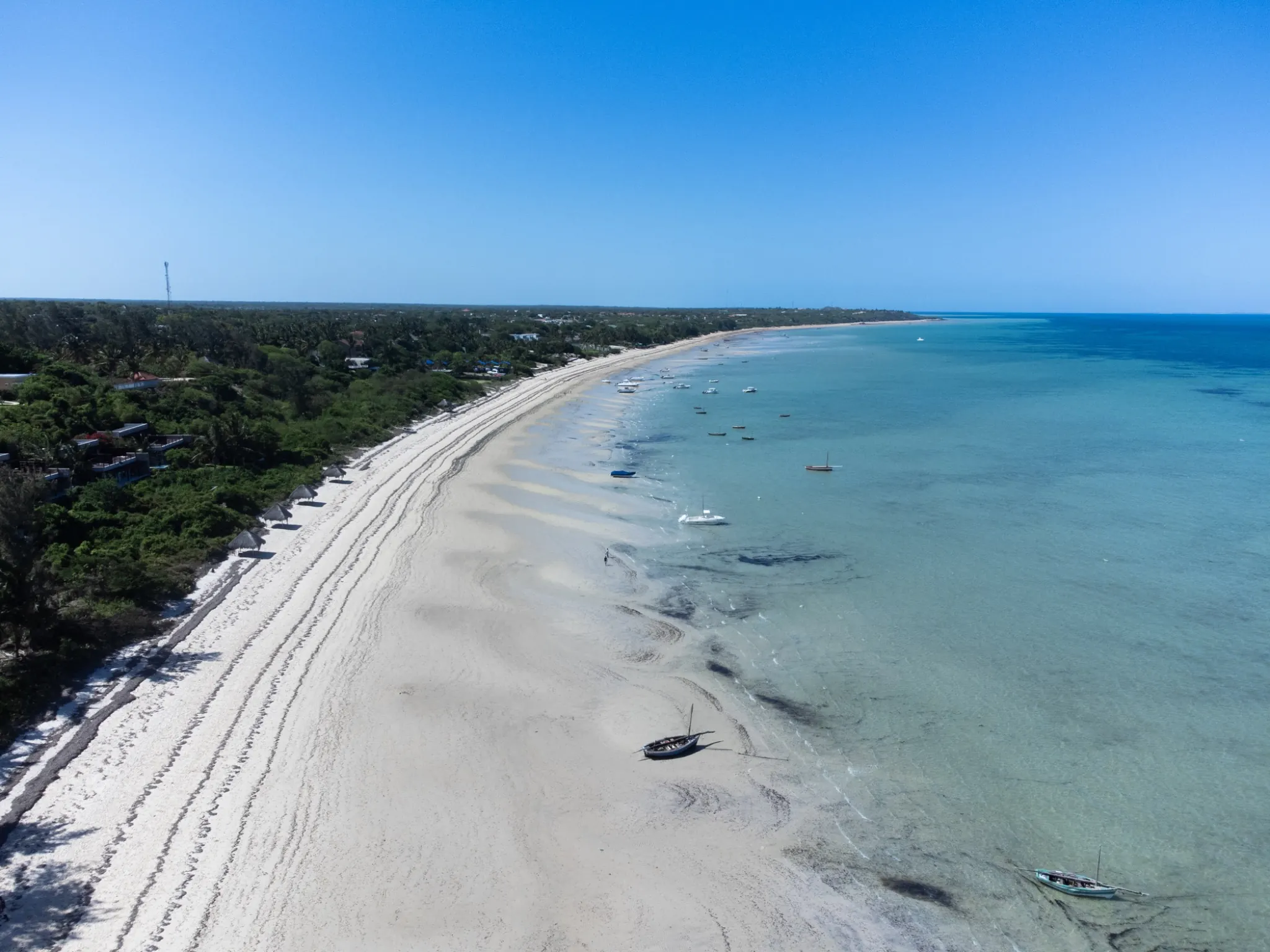
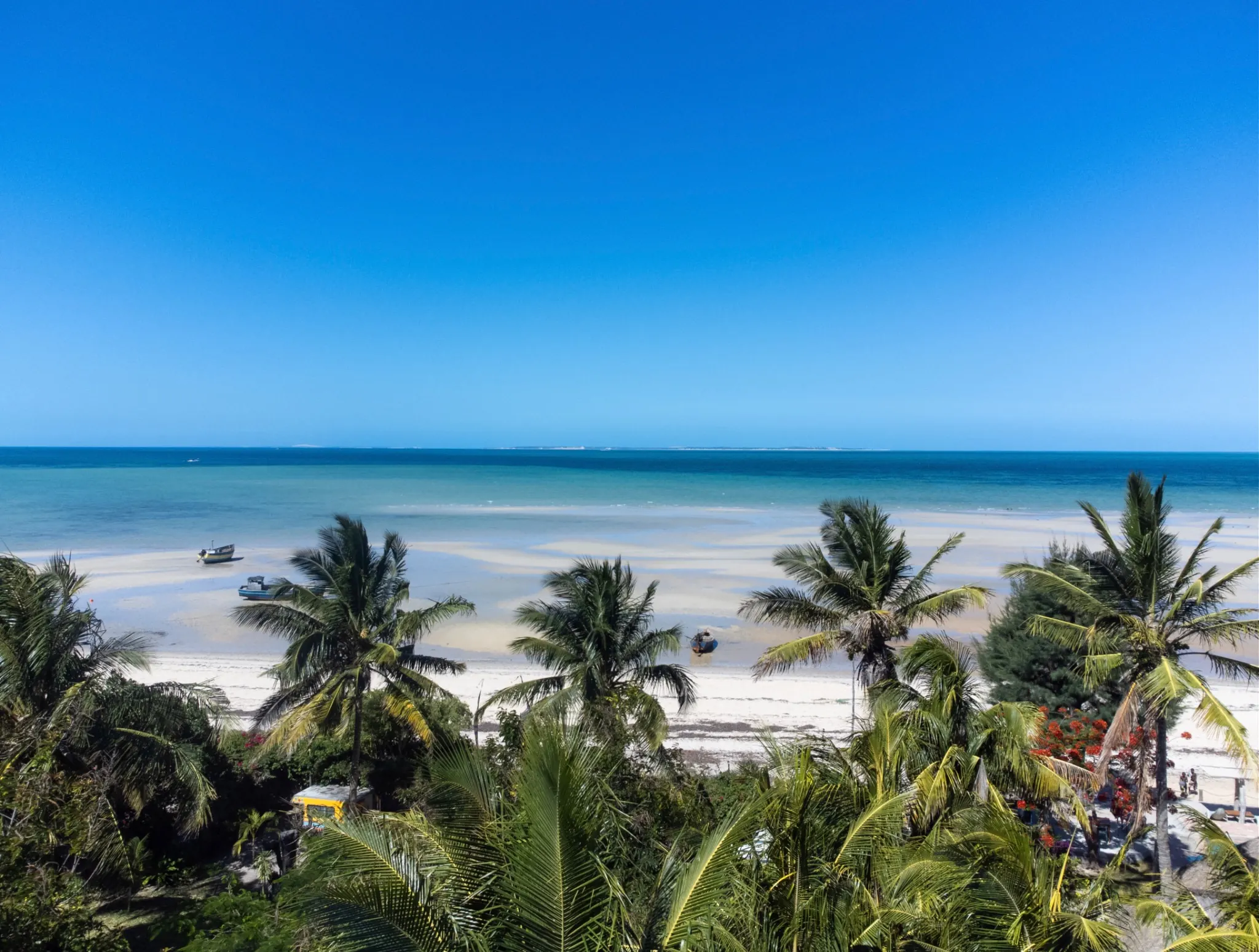
Not every beach day needs a boat. A walk along the mainland shoreline can be a rewarding way to notice the rhythm of the town: the tide, boats, changing sandbanks and the movement of people going about their day. Conditions and access vary along the coast, so ask locally about safe places to walk or swim and whether the tide affects the route.
Leave room in your schedule for a slow morning or an unplanned afternoon. A destination can be memorable for what you do, but also for the time you give yourself to notice it.
5. Taste the local food
Seafood is a familiar feature of coastal dining in Mozambique, and menus in Vilanculos may include fish and shellfish alongside rice, vegetables and other regional dishes. Availability depends on daily supply, season and the restaurant. Ask what is fresh, how a dish is prepared and whether the kitchen can accommodate dietary needs.
Choosing locally run restaurants and businesses, where possible, can help visitors connect with the destination beyond the excursion circuit. Be open to trying something unfamiliar, but do not assume that every ingredient or dish will be available every day.
6. Explore the town at a respectful pace
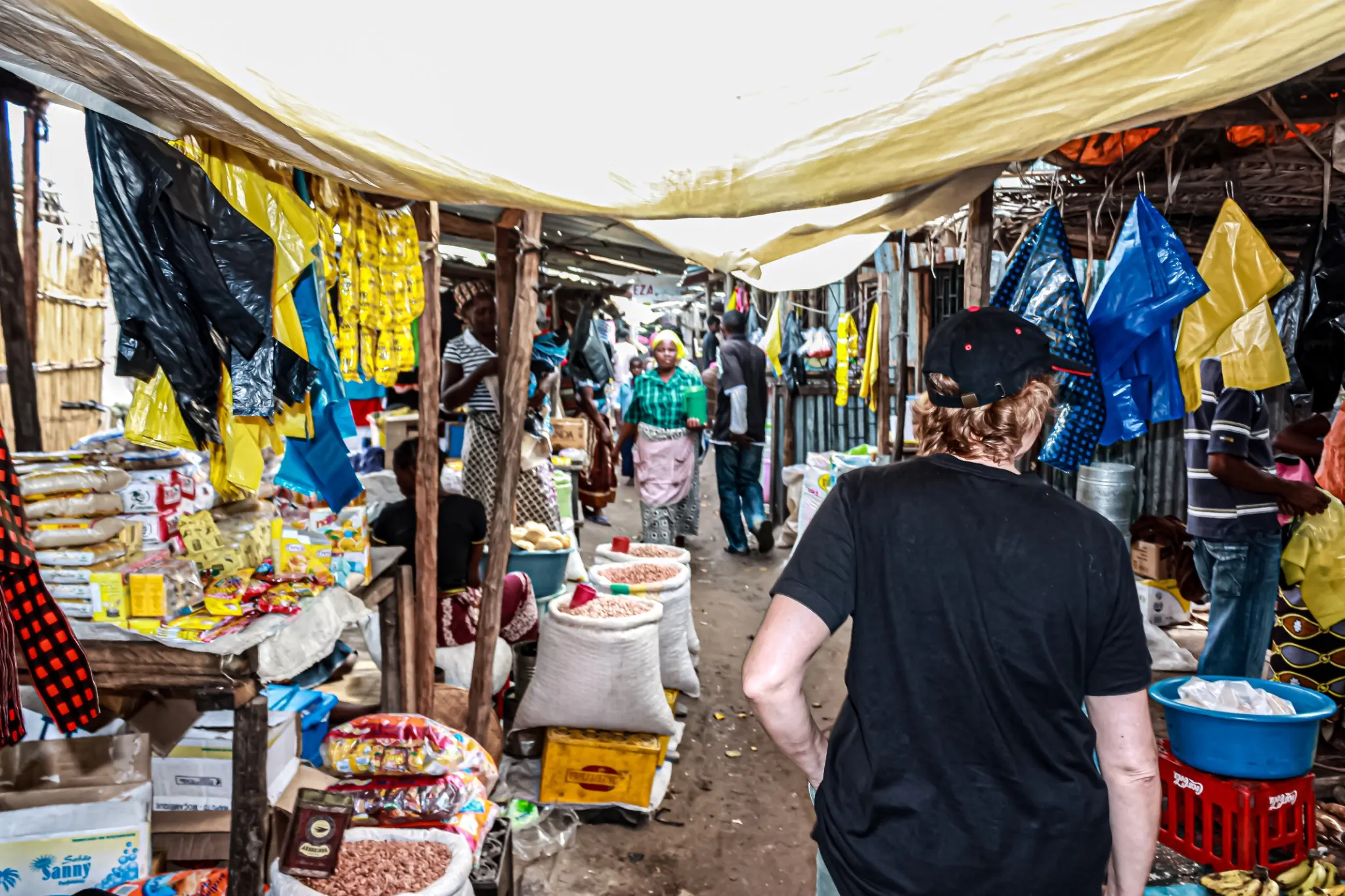
Markets and everyday commercial areas offer a glimpse of local life. Visit with curiosity rather than treating the town as a staged attraction. Ask before taking photographs, respect privacy, and follow local advice about where to go and when. If you book a guide, ask about their knowledge of the area and whether the visit supports local businesses or community initiatives.
Learn a few Portuguese greetings and approach conversations with patience. A little effort can make interactions warmer, but remember that residents are going about their own lives and are not obliged to act as guides or subjects for photographs.
Wildlife, coral reefs and conservation
Bazaruto is internationally important for its marine biodiversity. The protected area supports a variety of marine life, and African Parks identifies the archipelago as home to East Africa’s last-known viable dugong population. The East African dugong population has been assessed as Critically Endangered, which makes the protection of its habitat especially important.
Dugongs are elusive marine mammals associated with seagrass habitats. They may be discussed as a highlight of the region, but they should never be treated as a guaranteed sighting. The same applies to turtles, dolphins, rays and other wildlife. An excursion can be worthwhile even when a particular animal is not seen; the landscape and the opportunity to learn about the ecosystem are valuable in their own right.
Responsible visitors can help by choosing operators who follow local regulations and wildlife-viewing guidance. Do not chase, touch, feed or crowd marine animals. Avoid collecting shells or other natural materials, and never stand on coral. Use reef-safe practices recommended by your guide and take all rubbish back to shore.
Conservation is also connected to the communities who live along this coast. Fishing, tourism and other local livelihoods exist alongside the need to protect sensitive habitats. Visitors can contribute positively by respecting local rules, listening to knowledgeable guides and choosing businesses that take environmental responsibilities seriously.
Learn more about the protected area through the National Administration for Conservation Areas and African Parks’ overview of Bazaruto.
Discovering mainland Vilanculos
The mainland is an important part of the experience, not simply the place you leave behind on the way to the islands. Spending time in town gives you a chance to understand the area beyond its most famous landscapes. The shoreline, small businesses, markets and everyday movement of boats offer a more grounded view of coastal life.
Take time to observe how the tide changes the beach and how the light moves across the bay. If you enjoy photography, look for the details that tell a story: a boat being prepared, a line of fishing boats offshore or the contrast between the sea and the land. Always ask permission before photographing people, especially at close range.
Local guides can add context to a visit, helping explain the area's history, customs and relationship with the ocean. If you arrange a guided walk or cultural experience, ask what the visit includes, how long it lasts and whether it supports local businesses or community initiatives.
Leave time for rest, too. One of the pleasures of Vilanculos is that it does not need to be experienced at a constant pace. A relaxed breakfast, an afternoon by the water or a meal featuring locally available seafood can become part of the destination’s appeal.
When is the best time to visit Vilanculos?
Vilanculos has a generally wetter period from around October to April and a drier period through much of May to September. These are broad seasonal patterns rather than guarantees. Temperatures, rainfall, wind and sea conditions vary, and the best time to visit depends on what you want to do.
If island excursions, snorkelling or diving are priorities, look beyond the calendar and check the conditions expected for your specific travel dates. Wind, waves, tides and visibility can affect activities. A reputable operator should explain the likely conditions and make decisions based on safety rather than promise a particular experience regardless of the weather.
The drier months may appeal to visitors looking for a period with generally lower rainfall, while warmer and wetter months can bring a different atmosphere to the coast. No season guarantees perfect weather every day. Build flexibility into your itinerary and avoid scheduling every important activity on a single day.
For a more detailed seasonal overview, read our guide to the best time to visit Vilanculos.
Planning your Vilanculos itinerary
The right length of stay depends on your travel style and how much time you want to spend on the water. Three days can provide a useful introduction, while five days allows more flexibility. A week gives you additional room for rest, mainland exploration and changes to plans if the weather affects an excursion.
A three-day introduction
- Day one: Arrive, settle into your accommodation and explore the immediate coastline at a relaxed pace.
- Day two: Set aside the day for a planned island excursion, subject to conditions and operator confirmation.
- Day three: Enjoy a slower mainland day, explore local food and the coastline, or take another activity if time and conditions allow.
A five-day coastal stay
- Day one: Arrive and settle into your accommodation.
- Day two: Take an island excursion, with the destination and inclusions confirmed in advance.
- Day three: Keep the schedule flexible: rest, explore town or choose a locally arranged activity.
- Day four: Consider snorkelling, diving or a dhow sailing experience if conditions and your interests align.
- Day five: Enjoy a relaxed final morning and allow time for transfers or departure arrangements.
A seven-day escape
- Days one and two: Arrive, get oriented and explore the mainland at an easy pace.
- Day three: Plan an island excursion.
- Day four: Keep as a flexible day for rest or an alternative activity if weather affects the boat trip.
- Day five: Explore another water-based experience, such as snorkelling or diving with a suitable operator.
- Day six: Spend time with local food, markets, photography or a guided mainland experience.
- Day seven: Leave room for a final walk, a slow breakfast and departure logistics.
These itineraries are starting points, not fixed schedules. Check transfer times, departure arrangements and activity availability before booking, and avoid planning a time-sensitive flight immediately after a boat excursion.
Use our three-, five- and seven-day itinerary guide to refine your plans, and consult the travel planning checklist before departure.
Getting to Vilanculos
Many visitors arrive by air through Vilanculos Airport, while others travel overland from elsewhere in Mozambique. Routes and flight schedules can change, so check current services directly with airlines and transport providers before committing to dates. If you are connecting from an international flight, leave enough time for delays and confirm whether baggage can be checked through to the final destination.
For road travel, confirm the route, journey time, road conditions and fuel stops with a reliable local source before departure. Travel times can be affected by roadworks, weather and other conditions. If you arrange a transfer, agree on the pickup point, price, luggage requirements and contact details in advance.
Entry requirements depend on your nationality, passport, travel purpose and current Mozambican rules. Check the latest official information before travelling rather than relying on a general travel blog or assuming that a requirement applies equally to every passport holder.
Choosing where to stay
Where you stay shapes the pace of your visit. A mainland base can make it easier to combine island excursions with restaurants, local exploration and time to relax without changing accommodation. Staying on an island can offer a different kind of experience, but transfers, activity arrangements and costs may differ. The right choice depends on your budget, mobility, preferred atmosphere and how much time you want to spend on the water.
When comparing accommodation, look beyond the headline rate. Check what is included, whether meals or transfers are provided, how activities are arranged, the cancellation terms and what support is available if plans change. If you intend to take an excursion, ask how early departures work and whether transport to the departure point is included or arranged separately.
SAMARA Lodge Vilanculos offers a mainland base from which to experience the area. You can plan a day on the islands, spend time discovering the town and return to the same place without moving accommodation every night. When planning your visit, compare room options and dates, review the booking terms, and contact the team about arranging experiences or transfers for your travel dates. Activities and transport should be confirmed in advance rather than assumed to operate every day.
Plan your stay: explore booking options with SAMARA.
Practical tips before you travel
- Plan around the sea. Boat activities depend on weather, wind, tides and operator decisions. Keep some flexibility in your schedule.
- Confirm what is included. Ask about park fees, equipment, meals, transfers, safety equipment and cancellation arrangements before paying.
- Pack for sun and water. Bring sun protection, a hat, suitable footwear and a reusable water bottle. Follow your guide’s advice for any marine activity.
- Check health and entry advice. Consult current official travel and health guidance relevant to your nationality and itinerary well before departure.
- Respect local life. Ask before photographing people, agree prices in advance and follow local advice about customs and appropriate behaviour.
- Protect the environment. Take rubbish away with you, avoid disturbing wildlife, and never touch or stand on coral.
- Keep booking details accessible. Save accommodation contacts, transfer arrangements and excursion confirmations where you can access them offline.
- Build in time for transfers. Avoid scheduling a flight immediately after an activity that depends on the sea or weather.
Frequently asked questions about Vilanculos
Is Vilanculos the same as Vilankulo?
The names refer to the same destination. “Vilankulo” is used officially in Mozambique, while “Vilanculos” is widely used in international travel searches. You may see both spellings when researching transport, accommodation and activities.
Is Vilanculos worth visiting beyond the Bazaruto Archipelago?
Yes. The archipelago is a major attraction, but the mainland offers coastal walks, local food, markets, fishing activity and a slower pace between excursions. Allowing time for the town can make the trip feel more rounded.
How do you visit the Bazaruto Archipelago from Vilanculos?
Visitors commonly arrange a boat trip or other transfer through a suitable local operator or accommodation provider. Routes, travel times, fees and activities vary. Confirm the specific island or reef, inclusions, safety arrangements and weather policy before booking.
Can I snorkel in Bazaruto if I am a beginner?
Possibly, depending on the conditions, your confidence in the water and the operator’s assessment. Tell the guide about your experience level, ask about flotation equipment and currents, and do not enter water conditions that feel beyond your ability.
Will I see dugongs, dolphins or turtles?
Wildlife sightings are never guaranteed. Bazaruto is important for marine biodiversity and the East African dugong population, but animals move naturally through their habitat. Choose responsible operators and treat sightings as a possibility rather than a promise.
When is the best time to visit?
The region generally has a wetter season from around October to April and a drier period through much of May to September. The best dates depend on your priorities, and sea conditions and weather vary. Check current forecasts and local advice before finalising activities.
How many days should I spend in Vilanculos?
Three days can provide a useful introduction. Five days allows more time for an island excursion and mainland activities, while a week offers flexibility if weather affects plans. The ideal length depends on your travel schedule and interests.
What should I check before booking an island excursion?
Confirm the itinerary, operator, safety arrangements, equipment, meals, park fees, transfer details, cancellation terms and what happens if weather conditions change. Ask what is included in the quoted price and whether the trip is suitable for everyone in your group.
Experience Vilanculos at your own pace
Vilanculos is more than a departure point for Bazaruto. It is a coastal town with its own rhythms, flavours and everyday life, set beside a marine environment of exceptional importance. Give it time, approach the ocean with care, and balance the experiences you have planned with the freedom to slow down.
The islands may draw you here, but the mainland is part of what makes the journey worth taking.
Further reading
- A guide to the Bazaruto Archipelago
- How to choose an island excursion from Vilanculos
- The best time to visit Vilanculos
- Vilanculos itineraries: three, five and seven days
- Vilanculos travel planning checklist
- Visit Mozambique: Vilankulo destination guide
- ANAC: Bazaruto Archipelago National Park
- African Parks: Bazaruto