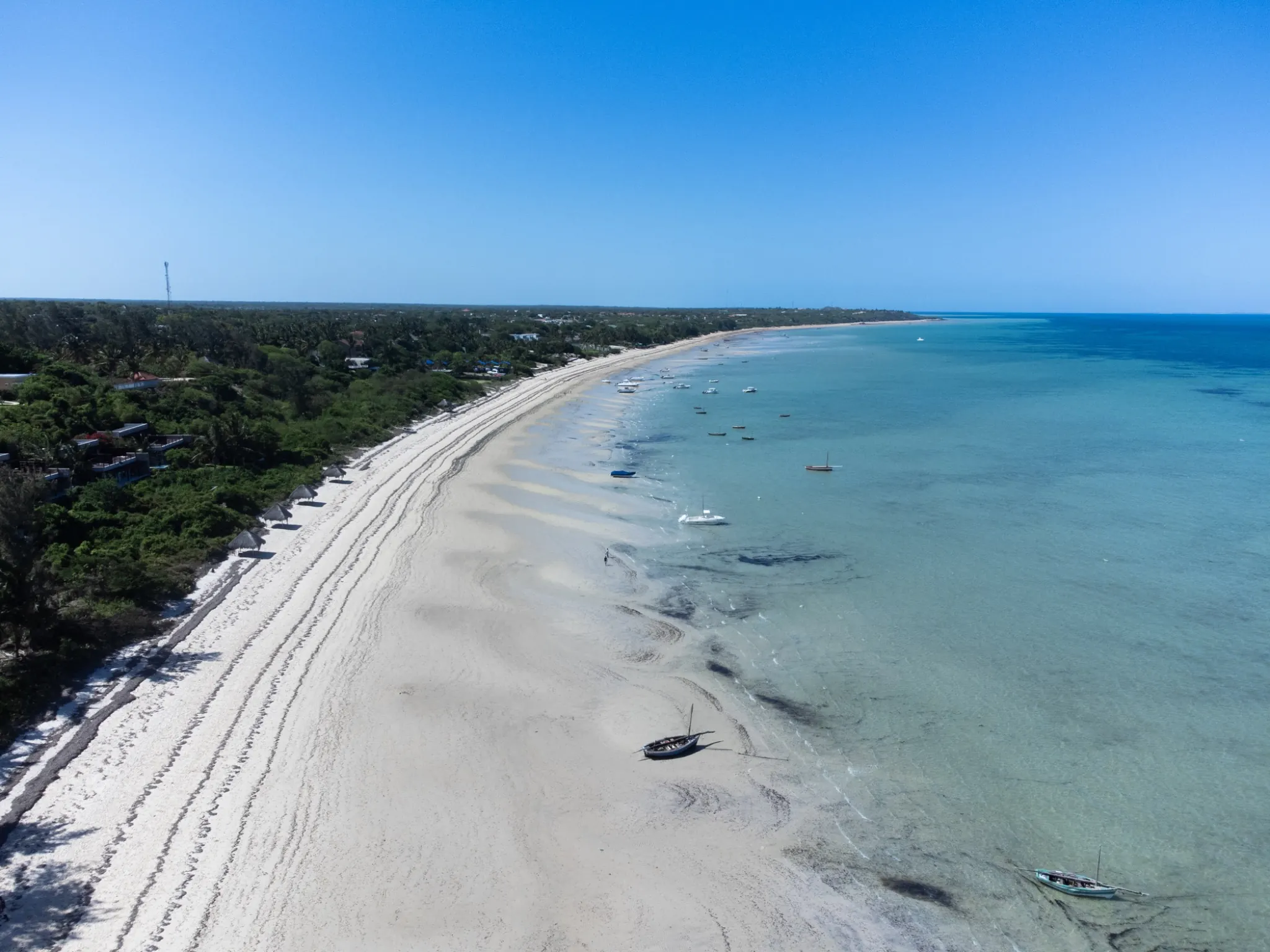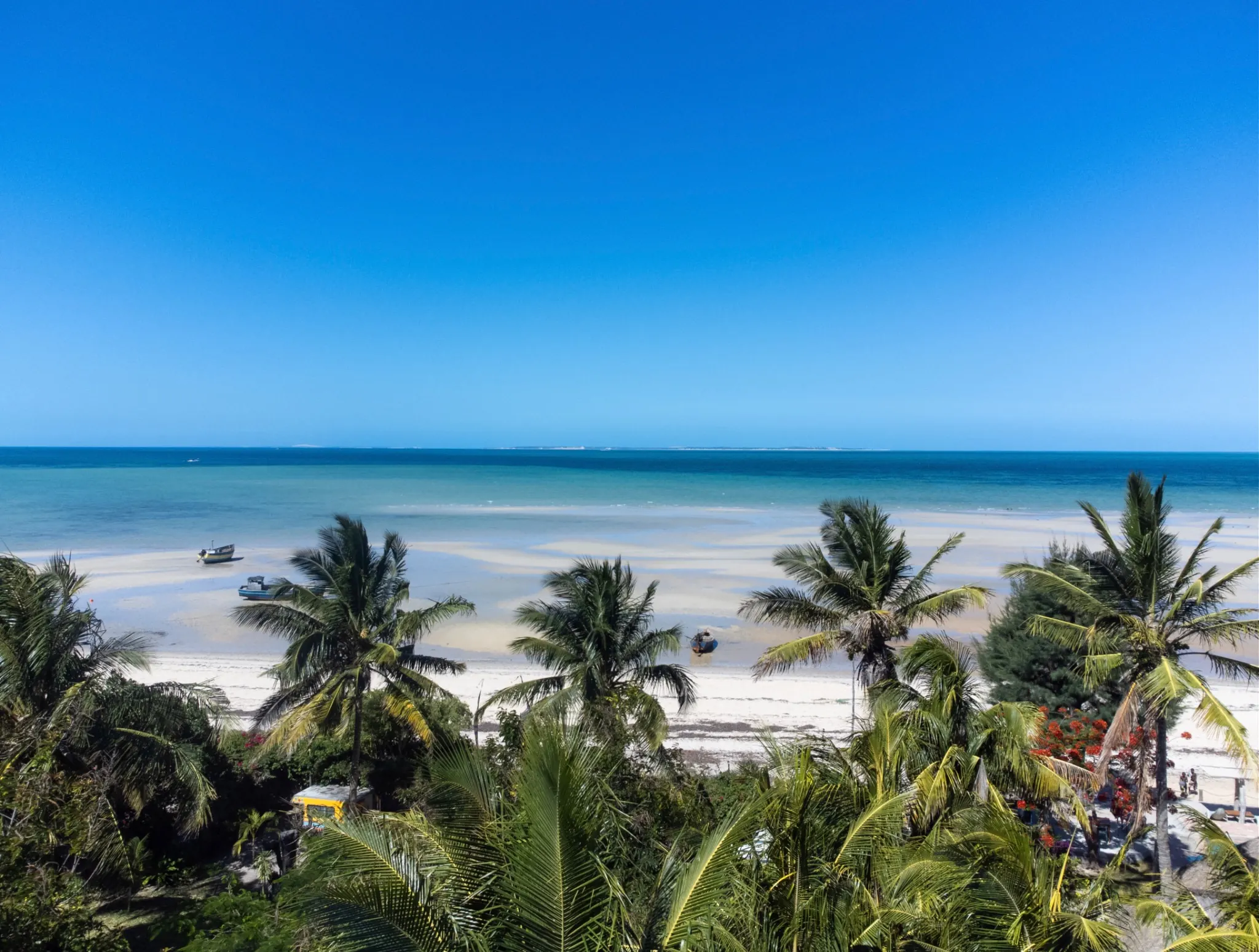
The Best Time to Visit Vilanculos, Mozambique
A season-by-season guide to weather, sea conditions, island excursions and what to consider when choosing dates for Vilanculos.
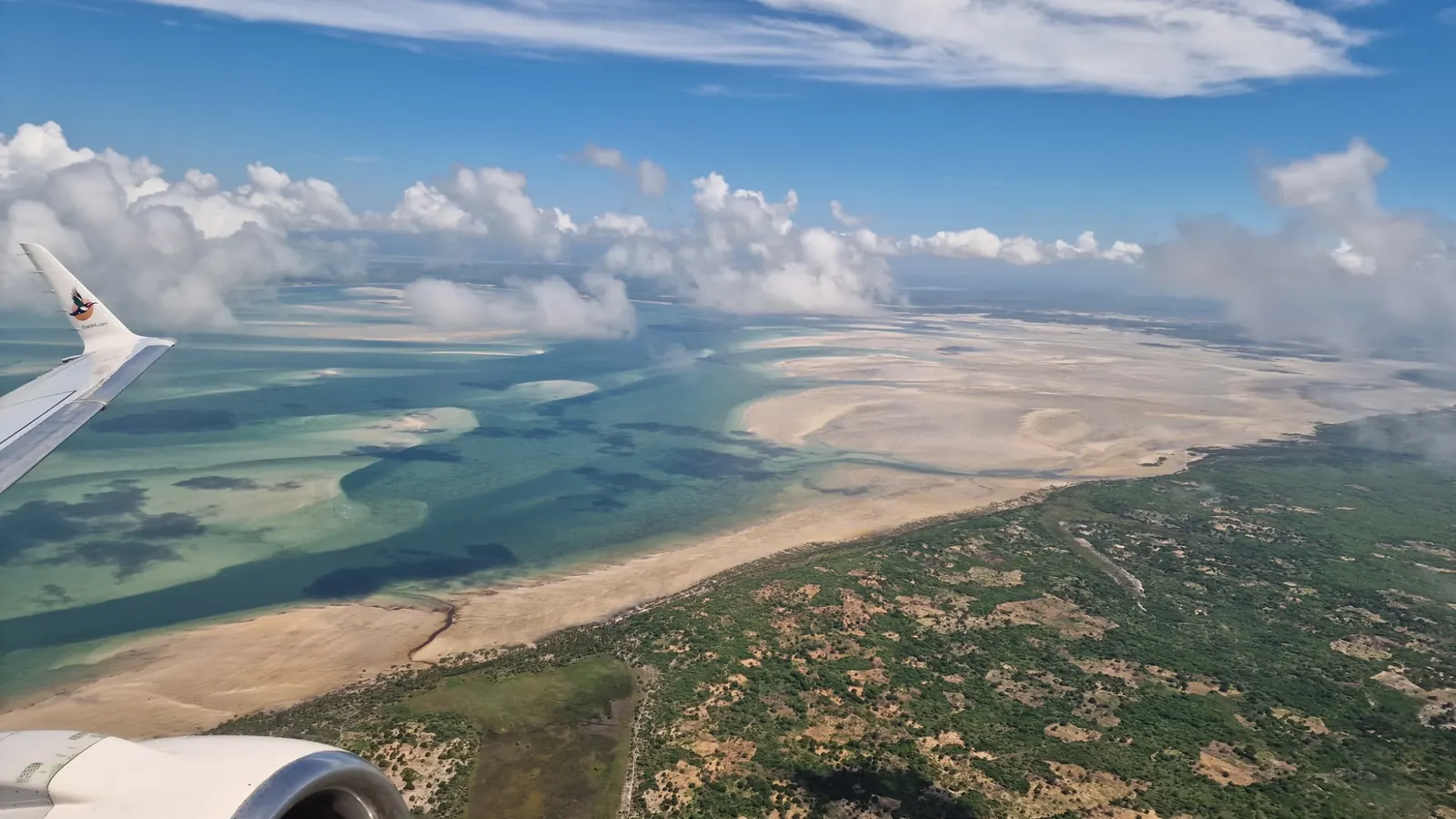

Vilanculos is a coastal destination shaped by sunshine, changing tides and the rhythms of the Indian Ocean. Located in Mozambique's Inhambane Province, it is known for its mainland beaches and its position beside the Bazaruto Archipelago, where white-sand islands, turquoise waters and marine habitats attract travellers throughout the year.
Choosing when to visit can influence the kind of experience you have. Some travellers prioritise dry weather and outdoor activities, while others prefer warmer conditions, quieter periods or more flexibility with their travel budget. Sea conditions also matter: a sunny day does not necessarily mean that a boat excursion or snorkelling trip will have ideal conditions.
There is no single month that is perfect for everyone. The best time to visit Vilanculos depends on your priorities, the activities you want to enjoy and how much flexibility you have in your itinerary.
This guide explains the seasons, what to expect throughout the year, how weather can affect island excursions, and how to plan a stay that makes the most of Mozambique's Indian Ocean coast.
When is the best time to visit Vilanculos?
For travellers who prefer generally drier weather, the period from May to September is a useful starting point when planning a visit to Vilanculos. These months fall broadly within Mozambique's cooler, drier season and can be attractive for beach time, sightseeing and outdoor activities.
The warmer, wetter period generally runs from October to April. Temperatures and humidity tend to be higher, rainfall becomes more likely, and tropical weather systems can affect travel conditions. However, the wetter season does not mean that it rains continuously or that every day will be unsuitable for outdoor activities.
These seasonal patterns are broad guidelines rather than guarantees. Conditions vary between years, and the weather on a particular day may differ considerably from the seasonal average.
For many visitors, the most useful approach is to choose a travel period that suits their preferences, then leave some flexibility for activities that depend on the weather. This is especially important if an excursion to the Bazaruto Archipelago is one of the main reasons for visiting.
Understanding Vilanculos' two main seasons
The drier season: May to September
The months from May to September generally form the drier part of the year in the Vilanculos region. Rainfall is typically lower than during the wetter months, and temperatures are often more moderate, particularly during the cooler evenings and early mornings.
This period can appeal to travellers who want to spend considerable time outdoors. Beach walks, exploring the mainland, photography and planned island excursions can all fit naturally into a visit during these months, subject to the conditions on the day.
The cooler season can also make it more comfortable to spend long periods outside. Even so, the sun remains strong, and visitors should continue to use appropriate sun protection and drink enough water.
It is important not to assume that the drier season guarantees calm seas or perfect underwater visibility. Wind, waves, tides and local conditions can still affect boat trips, snorkelling and diving. Always check with your excursion operator before departure.
Best suited to: travellers who prefer generally drier weather, outdoor exploration, flexible beach days and the opportunity to combine mainland activities with an island excursion.
The warmer, wetter season: October to April
From around October, temperatures and humidity generally increase as the region moves into its warmer and wetter period. Rainfall becomes more likely, and some days can be hot and humid. Rain may arrive in short, heavy periods rather than lasting throughout the day, although patterns vary.
This season can still be rewarding for visitors who enjoy warm weather and are comfortable adapting their plans. The coastline remains a major attraction, and there may be opportunities for outdoor activities between periods of rain.
However, this is also the period when tropical weather systems can create more significant disruption. Heavy rain, strong winds and rough seas may affect excursions, transport or other plans. Travellers should monitor forecasts and follow advice from local operators rather than relying on the season alone to determine whether an activity will go ahead.
If you visit during these months, avoid building an itinerary in which every day depends on a specific boat trip. Allow time for alternative activities and check cancellation policies before booking excursions.
Best suited to: travellers who prefer warmer conditions, are comfortable with some uncertainty and can keep their schedule flexible.
Vilanculos month by month
Seasonal conditions provide a useful overview, but each month has its own planning considerations. The descriptions below are general expectations, not a forecast for a particular year. Always check current weather information before travelling.
January
January falls within the warmer, wetter season. Conditions can be hot and humid, with rainfall and tropical weather systems possible. Outdoor activities may still be enjoyable, but plans should allow for changes if the weather deteriorates.
If you visit in January, confirm your excursion arrangements and cancellation terms in advance. Keep alternative plans available for days when the sea or weather is unsuitable for boating.
February
February remains part of the warm, wet season. Humidity and rainfall can be significant, and tropical weather may affect the region. Conditions vary from year to year, so avoid assuming that a particular week will be either rainy or dry.
Travellers visiting during this month should pay particular attention to weather forecasts, transport arrangements and the flexibility of their accommodation and activity bookings.
March
March is generally still warm, with the possibility of rain and humid conditions. The transition towards the cooler, drier part of the year is not immediate, and weather can remain unsettled.
This can be a suitable time to visit for travellers who have flexible plans and do not mind adapting activities around the conditions. Check local advice before committing to a boat excursion.
April
April is often a transitional month as the region moves away from the wetter season. Conditions can vary, and visitors may experience a mixture of warm days, rainfall and improving weather.
If you are considering April, focus on the actual forecast for your dates rather than expecting a fixed seasonal pattern. It can be helpful to leave a spare day for an island excursion in case conditions change.
May
May generally marks the beginning of the drier, cooler period. It can be an appealing month for travellers who want to spend time outdoors without the same level of heat and humidity often associated with the warmer season.
Beach walks, mainland exploration and island excursions may all feature in an itinerary, depending on conditions. The sea can still be affected by wind and other local factors, so confirm the day's plans with your operator.
June
June falls within the drier season and can be a good option for visitors who prefer more moderate temperatures and generally lower rainfall. Mornings and evenings may feel cooler than during the warmer months.
Bring a light layer for early starts or boat trips, as well as sun protection for the middle of the day. If you plan to snorkel, ask about water conditions and visibility rather than assuming they will be ideal.
July
July is part of the cooler, drier season and can appeal to travellers looking for comfortable conditions for outdoor activities. It is a useful month to consider if your itinerary combines time on the mainland with a planned trip to the Bazaruto Archipelago.
Even during this season, boat excursions remain dependent on conditions at sea. Book with a suitable operator, check what is included and allow enough time in your stay to accommodate a possible change of plans.
August
August generally continues the drier-season pattern. It can be an attractive period for beach time, photography and exploring the coastline, with cooler mornings and evenings than during the hottest part of the year.
If you are travelling specifically for snorkelling, diving or island excursions, ask local operators about the expected conditions for your dates. The calendar alone cannot guarantee visibility or calm water.
September
September is generally within the drier season, although temperatures begin to rise as the year progresses. It can suit visitors who want outdoor activities and warmer days without travelling during the height of the wetter season.
As conditions gradually change, keep checking the forecast and remain flexible with excursions. The best conditions for a particular activity depend on more than rainfall alone.
October
October is typically warmer, and the region begins moving towards the wetter season. Humidity can increase, and rainfall becomes more likely as the season progresses, although the timing varies.
Travellers visiting in October should prepare for warmer days and monitor weather forecasts. If a boat trip is essential to your itinerary, consider leaving an alternative date available.
November
November falls within the warmer period, with an increasing likelihood of rain and humid weather. Conditions can still allow for enjoyable coastal activities, but flexibility becomes particularly valuable.
Confirm excursion arrangements close to departure and ask what happens if weather conditions make the planned route unsuitable. Keep some mainland activities in reserve in case you need to change plans.
December
December is generally hot and humid, with the possibility of heavy rain and tropical weather systems. It is also a popular holiday period in many destinations, so accommodation and transport demand can vary around the festive season.
If you plan to travel in December, book important arrangements in advance and check the cancellation terms carefully. Leave room in your itinerary for weather-related changes and avoid scheduling a time-sensitive onward connection immediately after a boat excursion.
When is the best time for a Bazaruto Archipelago excursion?
A trip to the Bazaruto Archipelago is a highlight for many visitors staying in Vilanculos. The islands are known for their sandy beaches, dunes and surrounding marine environment, but an excursion depends on more than the time of year.
Wind, waves, tides, visibility and the specific route all influence the experience. Conditions can change even within the same season, and a day that is suitable for one type of excursion may not be ideal for another.
The generally drier months from May to September are often a useful starting point for planning outdoor activities. However, no month guarantees a calm crossing or a particular experience. The responsible approach is to check conditions with an experienced local operator and follow their safety advice.
When comparing excursions, ask:
- Which island or islands are included?
- How long is the expected boat journey?
- Is snorkelling included, and is equipment provided?
- Are park fees, meals, drinking water and transfers included in the price?
- What happens if wind, waves or other conditions make the excursion unsuitable?
- Can the trip be moved to another day if conditions change?
It is also worth avoiding a schedule that allows only one possible day for your island excursion. Staying for several days gives you more flexibility if the weather does not cooperate.
Read our guide to the Bazaruto Archipelago and how to choose an island excursion from Vilanculos before booking.
When is the best time for snorkelling and diving?
The waters around the Bazaruto Archipelago provide opportunities to explore marine habitats, including coral reefs and areas that support a variety of marine life. The quality of a snorkelling or diving experience depends on conditions at the particular site and on the day.
Underwater visibility can change with weather, currents, waves and other local factors. It is therefore better to ask an operator about current conditions than to rely on a general claim that one month always offers the best visibility.
If snorkelling is a priority, consider allowing more than one possible day for the activity. Choose an operator that takes safety seriously, explains the expected conditions and is willing to change or cancel an activity when necessary.
Beginners should tell the guide about their experience level and ask about flotation equipment, currents, depth and entry procedures. Never enter water that feels beyond your ability.
Responsible marine tourism also means keeping a safe distance from wildlife and avoiding contact with coral. Do not touch or stand on coral, feed marine animals or pursue wildlife for photographs.
For more information, read our guide to snorkelling in Bazaruto.
When is the best time to enjoy the beaches?
Vilanculos' mainland coastline can be enjoyed throughout the year, although the weather and sea conditions influence how comfortable a particular day will be. The drier months may appeal to visitors who want to spend more time walking, relaxing outdoors or exploring the coast.
During warmer months, plan outdoor activities around your comfort level and the conditions. Bring sun protection, drink water regularly and seek shade when necessary. After heavy rain or during unsettled weather, follow local advice about swimming and beach access.
Remember that a beautiful beach does not automatically mean that swimming is safe. Currents, waves, tides and other conditions can vary. Ask locally before entering the water, especially if you are unfamiliar with the coastline.
Some of the most rewarding beach experiences are also the simplest: an early walk, time to watch the tide change or an unhurried afternoon by the water. You do not need to fill every day with organised activities to enjoy Vilanculos.
When is the best time for wildlife experiences?
The marine environment around Bazaruto supports a variety of wildlife, including turtles, dolphins, rays and dugongs. The region is particularly important for the East African dugong population, which has been assessed as Critically Endangered.
Wildlife sightings are unpredictable. The presence of a species in the wider region does not mean it will be seen during a particular excursion, and no responsible operator should guarantee a sighting.
If wildlife is important to your trip, ask operators about their approach to responsible viewing and whether the proposed activity is appropriate for the species and conditions. Avoid excursions that chase, crowd, feed or otherwise disturb animals to improve the chance of a close encounter.
Rather than planning your entire visit around one animal, treat wildlife as one part of the wider experience. The islands, beaches, reefs and opportunity to learn about the ecosystem can make an excursion worthwhile even when a particular species is not encountered.
Is Vilanculos worth visiting during the rainy season?
Yes, provided you understand the seasonal conditions and are comfortable with some flexibility. The wetter season can still offer warm days and opportunities to enjoy the coast. Rain does not necessarily prevent every outdoor activity, and conditions vary throughout the season.
The main consideration is uncertainty. Heavy rain, wind or rough seas may affect boat excursions, transfers and other plans. If your trip depends on visiting the islands, allow enough time for an alternative departure day and check the operator's cancellation policy before paying.
It is also sensible to confirm accommodation arrangements, transport and any important connections in advance. For international travel, check the latest entry requirements and health advice relevant to your nationality and itinerary.
Travellers who prefer a tightly scheduled itinerary may find the generally drier season easier to plan around. Those who are comfortable adapting their plans may still enjoy a visit during the warmer months.
How many days should you spend in Vilanculos?
The ideal length of stay depends on your travel style and the activities you want to include. If the main goal is a single island excursion, a short visit may be sufficient, although it offers less flexibility if weather conditions cause a change of plans.
A stay of five days gives you more room to combine an island trip with mainland exploration and relaxation. A week allows additional flexibility for a second water-based activity, a slower pace or a spare day in case conditions affect your plans.
A three-day visit
- Day one: Arrive, settle in and explore the immediate area at a relaxed pace.
- Day two: Plan an island excursion, subject to weather and operator confirmation.
- Day three: Enjoy the mainland coastline, local food or a relaxed morning before departure.
A five-day visit
- Day one: Arrive and settle into your accommodation.
- Day two: Take an island excursion if conditions are suitable.
- Day three: Keep the schedule flexible for rest or mainland exploration.
- Day four: Consider snorkelling, diving or a sailing experience with a suitable operator.
- Day five: Enjoy a slower morning and allow time for departure arrangements.
A seven-day visit
- Days one and two: Arrive, explore the mainland and get familiar with the area.
- Day three: Plan an island excursion.
- Day four: Keep as a flexible day in case weather affects your plans.
- Day five: Consider another water-based activity if conditions are suitable.
- Day six: Spend time exploring local food, the town and the coastline.
- Day seven: Enjoy a relaxed final morning and prepare for departure.
These itineraries are examples rather than fixed schedules. The best arrangement depends on your arrival and departure times, the activities available and the conditions during your stay.
For more planning ideas, read our Vilanculos itinerary guide.
What should you pack for Vilanculos?
Your packing list should reflect the season, the activities you plan to enjoy and the length of your stay. Lightweight clothing is useful in warm weather, while a light layer can be helpful for cooler mornings, evenings or boat journeys.
- Sun protection: Bring a hat, sunglasses and suitable sunscreen. Clothing that covers the skin can help reduce sun exposure.
- Light clothing: Choose comfortable items suited to warm weather and activities outdoors.
- A light layer: Useful for cooler evenings, early departures and time on the water.
- Swimwear and a towel: Bring these if swimming or water-based activities are part of your plans.
- Suitable footwear: Consider what you will need for beaches, walks and boat transfers.
- Waterproof protection: Protect your phone, camera and other valuables from spray and sand.
- Personal medication: Bring the supplies you need and check current travel-health guidance before departure.
- Reusable water bottle: Useful for staying hydrated, particularly on hot days.
If you plan to visit the islands, ask your operator what equipment is supplied and what you should bring. Avoid carrying unnecessary valuables on boat excursions.
Practical planning tips for every season
Regardless of when you travel, a few practical decisions can make your stay easier.
- Check forecasts close to departure. Seasonal averages cannot tell you exactly what conditions will be like during your trip.
- Keep island plans flexible. Allow an alternative day for a boat excursion when possible.
- Confirm transport arrangements. Check pickup times, meeting points, luggage requirements and return arrangements.
- Review cancellation terms. Understand what happens if an activity is postponed or cancelled because of weather.
- Check entry requirements. Requirements depend on nationality, passport and current rules. Use official information before travelling.
- Respect local guidance. Follow advice about swimming, wildlife, boating and appropriate behaviour in local communities.
- Protect the environment. Take rubbish with you, avoid disturbing wildlife and never touch or stand on coral.
- Leave a buffer before flights. Avoid arranging a time-sensitive departure immediately after a sea-based activity.
Choosing where to stay in Vilanculos
Your accommodation can influence how easily you explore the region. A mainland base can make it practical to combine island excursions with time in town, local restaurants and relaxed days by the coast. Staying on an island offers a different experience, but may involve different transfer arrangements, costs and activity options.
When comparing accommodation, look beyond the nightly rate. Consider location, what is included, transport arrangements, cancellation terms and the support available if your plans change. If you intend to take an early boat excursion, ask how you will reach the departure point and whether transport can be arranged.
SAMARA Lodge Vilanculos provides a mainland base for discovering the coastline and planning excursions to the Bazaruto Archipelago. You can combine time on the water with opportunities to explore the town and relax between activities.
Whichever season you choose, consider building some flexibility into your stay. It can make the difference between a stressful schedule and a more relaxed experience when weather conditions change.
Plan your stay: explore booking options with SAMARA.
Frequently asked questions about the best time to visit Vilanculos
What is the best month to visit Vilanculos?
There is no single best month for everyone. May to September is generally drier and cooler, which can suit outdoor activities. October to April is generally warmer and wetter. Your ideal month depends on your preferences and the activities you want to enjoy.
What is the dry season in Vilanculos?
The drier season generally runs from around May to September. Rainfall is typically lower than during the warmer months, although weather conditions vary and rain is still possible.
When is the rainy season in Vilanculos?
The wetter season generally runs from around October to April. It is typically warmer and more humid, with a greater likelihood of rainfall and possible tropical weather systems.
Can you visit Vilanculos in December?
Yes. December can offer warm coastal conditions, but it falls within the wetter season. Check forecasts, confirm excursion arrangements and allow flexibility if rain or rough seas affect your plans.
Is May a good time to visit Vilanculos?
May is generally the beginning of the drier, cooler period. It can be a useful month to consider if you prefer outdoor activities and generally lower rainfall, but actual conditions should still be checked close to your travel dates.
When is the best time to visit the Bazaruto Archipelago?
The generally drier months from May to September are a useful starting point for planning, but sea conditions depend on wind, waves, tides and other factors. Ask local operators about conditions and keep some flexibility in your itinerary.
Is the sea always calm during the dry season?
No. The drier season does not guarantee calm seas or ideal conditions for boating, snorkelling or diving. Operators should assess the conditions on the day and adjust activities when necessary.
Can you visit Vilanculos during the rainy season?
Yes. Visitors can still enjoy the coast during the wetter season, but should be prepared for heat, humidity, rain and possible changes to activities. Flexible plans are particularly useful if island excursions are a priority.
How long should I stay in Vilanculos?
Three days can provide an introduction, while five days gives more flexibility for an island excursion and mainland exploration. A week allows additional time for activities and alternative plans if weather affects the schedule.
Find your own time in Vilanculos
Vilanculos offers a different experience throughout the year. The drier months may appeal to travellers who prefer generally lower rainfall and more moderate temperatures, while the warmer months can suit visitors who are comfortable adapting their plans around changing conditions.
The most important consideration is not choosing a month that promises perfect weather, because no month can guarantee that. Instead, choose a period that suits your preferences, check current conditions and give yourself enough time to enjoy the destination without rushing.
With its mainland coastline, access to the Bazaruto Archipelago and opportunities to explore the marine environment, Vilanculos rewards travellers who balance planned activities with time to slow down.
Whenever you choose to visit, leave room for the unexpected, respect the environment and enjoy the coast at your own pace.
Start planning your visit: discover SAMARA Lodge Vilanculos.
Further reading
- Discovering Vilanculos: A Coastal Guide to Mozambique
- Bazaruto Archipelago: An Island Guide from Vilanculos
- How to Choose an Island Excursion from Vilanculos
- Snorkelling in Bazaruto: What to Know Before You Go
- Vilanculos Itinerary: Three, Five and Seven Days
- Vilanculos Travel Planning Checklist
- Visit Mozambique: Vilankulo Destination Guide