Why Bazaruto’s Coral Reefs Need Thoughtful Visitors
A clear guide to coral reef ecosystems in Bazaruto and the small choices snorkellers and divers can make to reduce damage.
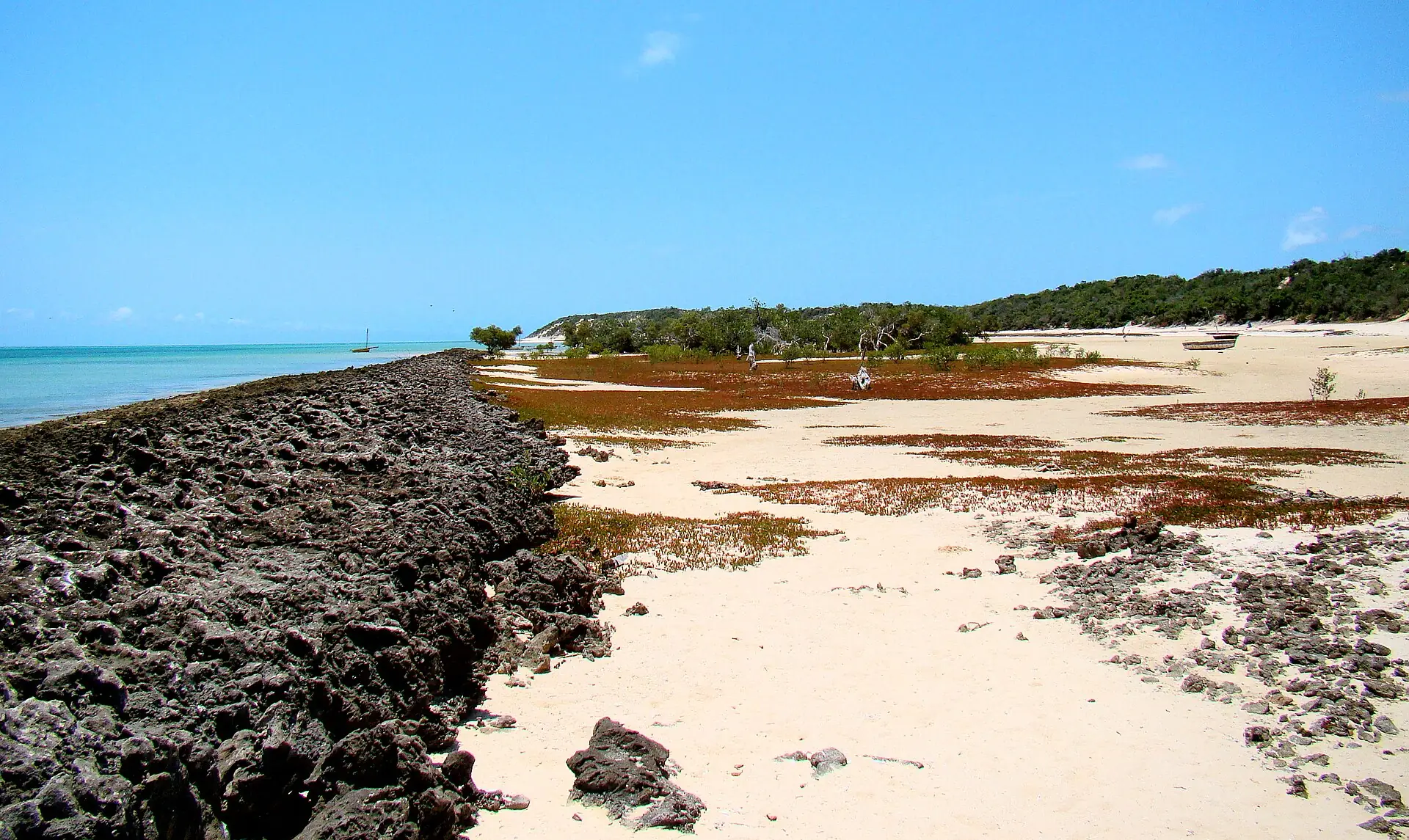

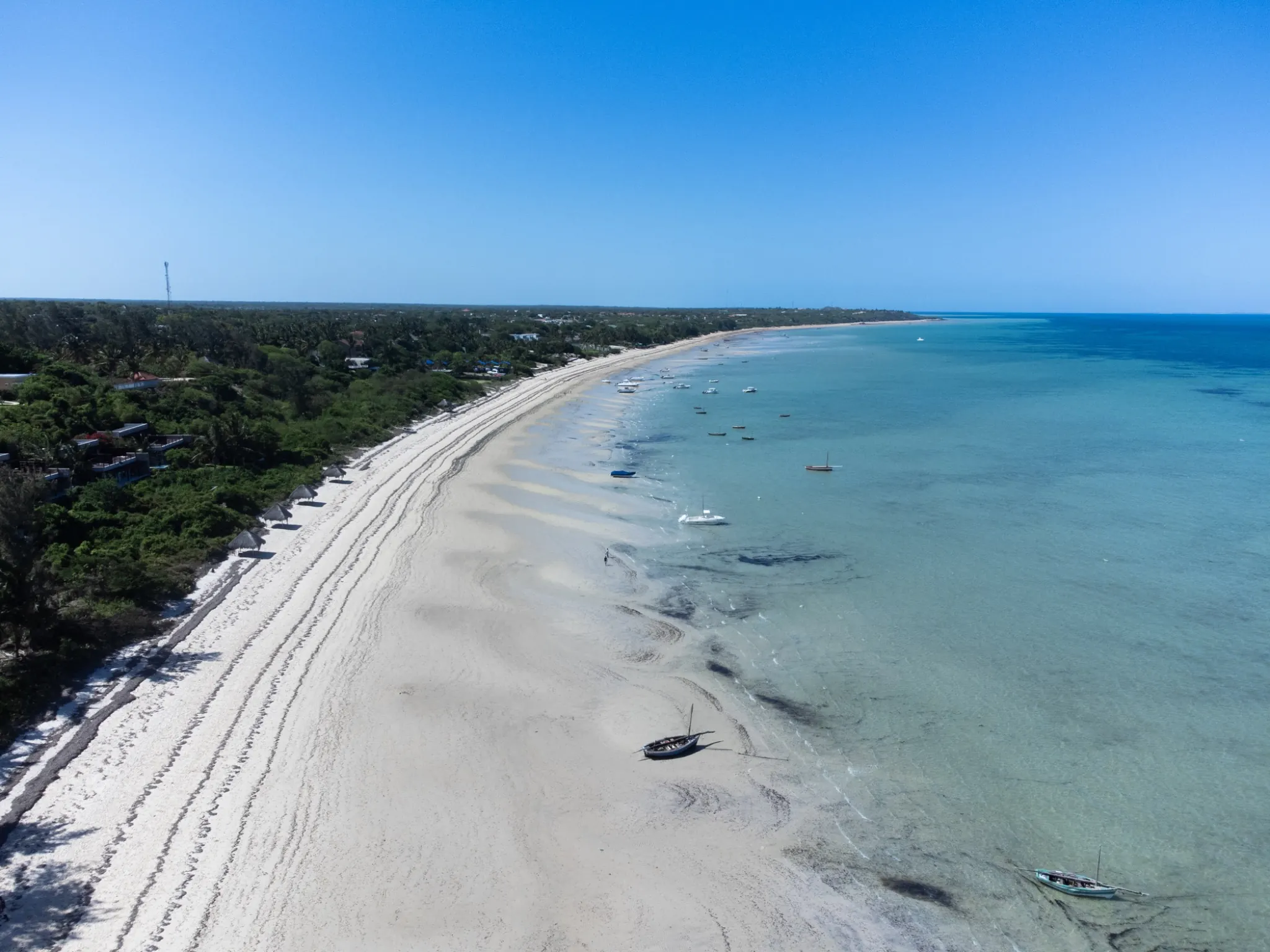
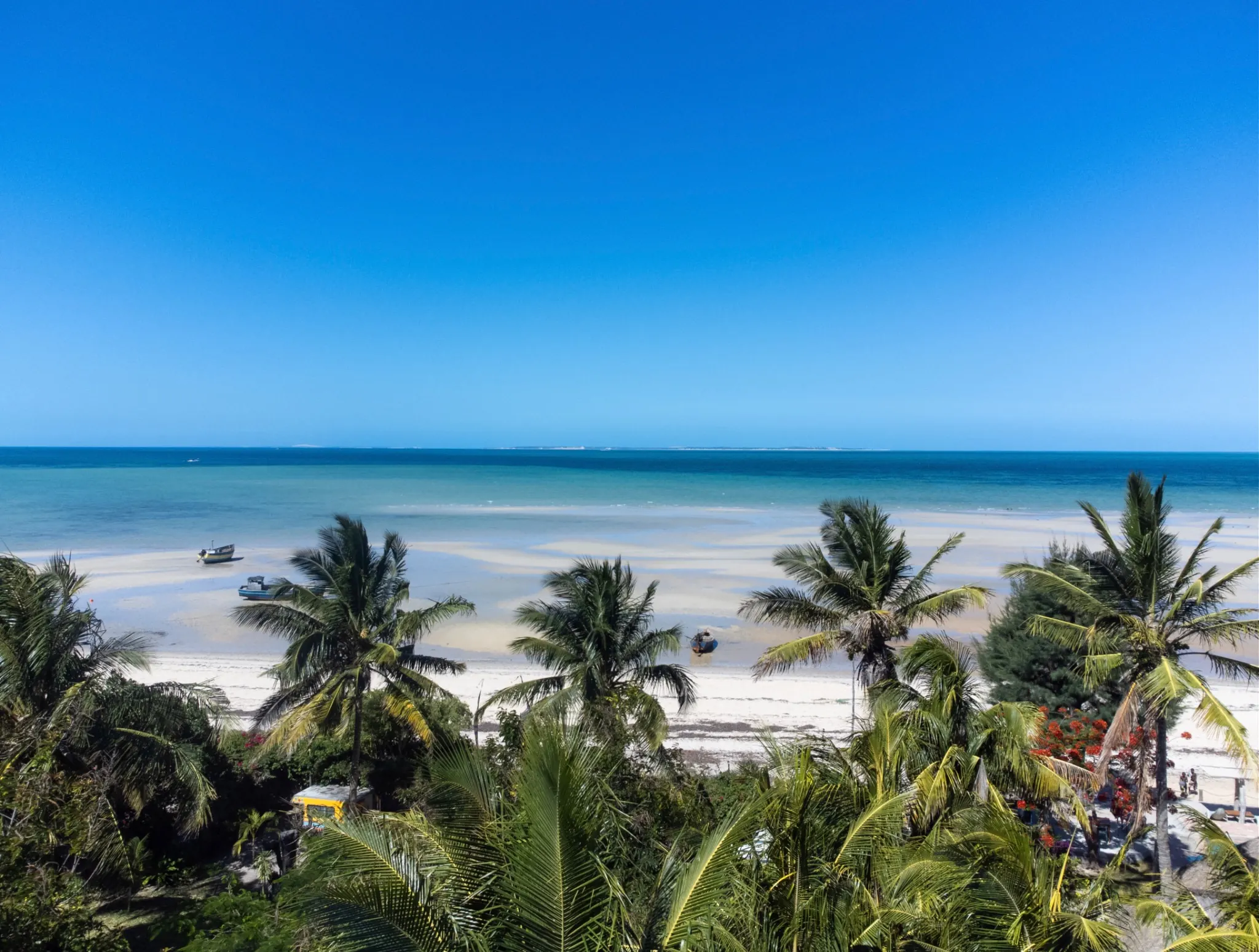
Coral reefs can look strong and permanent from the surface, but they are living ecosystems that can be damaged by a single careless movement. Around the Bazaruto Archipelago, coral reefs form part of an interconnected marine environment that supports fish, invertebrates and other wildlife. They are also part of the natural heritage that makes this region of Mozambique such a remarkable destination.
For visitors arriving from Vilanculos, snorkelling or diving can offer a closer look at this underwater world. The experience comes with a responsibility: to enjoy the reef without disturbing the organisms that live there. Understanding how reefs function, what threatens them and how to behave in the water can help make every excursion more thoughtful.
Why Bazaruto's coral reefs matter
The Bazaruto Archipelago is recognised for its ecological diversity. African Parks describes a marine environment containing around 2,000 fish species, more than 500 marine and coastal mollusc species, and nine marine mammal species, including dolphins, whales and dugongs. Its coral reefs are particularly valuable because they form an important area of reef development between the more limited reefs of southern Mozambique and South Africa and the more extensive reef systems farther north.
Coral reefs are not simply underwater scenery. They are complex habitats built by tiny animals called coral polyps. Many coral species live in partnership with microscopic algae that help provide energy through photosynthesis. Over long periods, successive generations of coral contribute to the structures that provide shelter and feeding areas for marine life.
The reef's structure creates spaces for fish and other organisms to live, hide from predators, feed and reproduce. Different species occupy different parts of the habitat, from exposed coral surfaces to narrow crevices. The result is an ecosystem in which many forms of marine life depend on one another.
Reefs also sit within a broader coastal system. Seagrass meadows, sandy seabeds, beaches and other marine habitats support different species and ecological processes. For example, dugongs depend on seagrass for food, while turtles and numerous fish species use coastal waters and habitats at different stages of their lives. Protecting the wider seascape is therefore important alongside protecting individual coral sites.
To learn more about the region's marine biodiversity, visit African Parks' overview of Bazaruto biodiversity conservation.
Coral is alive, even when it looks like rock
One of the most important things to understand before entering a reef area is that coral is a living organism. Some colonies have hard, rock-like structures, while others form delicate branches or rounded shapes. Their appearance can make them seem durable, but living tissue covers the structures and can be harmed by direct contact.
Standing on coral can crush or break parts of a colony. Grabbing it to steady yourself can damage the surface, while a careless fin movement can snap branches or scrape living tissue. Even if the damage appears small, it can leave the coral vulnerable to further stress.
Coral generally grows slowly, and recovery depends on the species, the extent of the damage and local environmental conditions. A broken fragment does not necessarily recover simply because the water is clear or the surrounding reef looks healthy.
This is why responsible reef behaviour is based on prevention rather than trying to repair damage after it occurs. The simplest rule is also the most important: observe coral without touching it.
What threatens coral reefs?
Coral reefs face pressures from several directions. Some originate from global environmental changes, while others result from activities occurring close to the reef. Visitors cannot solve every threat during a single holiday, but understanding these pressures helps explain why seemingly small choices matter.
Physical contact and careless movement
Direct contact is one of the most avoidable sources of damage caused by visitors. Standing on coral, holding onto reef structures, kicking branching corals or allowing equipment to drag across the seabed can injure living colonies.
Inexperienced snorkellers may accidentally touch the bottom when trying to stand up or regain their balance. Divers may use their hands to steady themselves without realising that the surface beneath them is alive. Good buoyancy, awareness of your surroundings and appropriate guidance help reduce these risks.
Sediment stirred up from the seabed
Sand and other fine particles can become suspended in the water when swimmers kick forcefully near the bottom. When this material settles, it can cover coral surfaces and interfere with the conditions coral needs to survive.
Strong fin kicks in shallow water are particularly likely to disturb the seabed. Moving slowly, keeping your body horizontal and maintaining adequate clearance above the reef can reduce unnecessary sediment disturbance.
Pollution and marine debris
Plastic packaging, discarded fishing equipment and other rubbish can enter the marine environment from both land and sea. Debris may entangle animals, damage habitats or break down into smaller pieces that are difficult to remove.
Waste is not always visible from a boat or from the surface. That does not mean the water is free from pollution. Taking rubbish back to shore, avoiding unnecessary disposable items and never throwing anything into the sea are practical ways to reduce your contribution.
Unsustainable fishing and uncontrolled tourism
Fishing and tourism are important parts of life around Bazaruto, but activities that are poorly managed or inconsistent with conservation rules can put pressure on marine habitats and wildlife. African Parks identifies unsustainable fishing practices, unregulated resource use and uncontrolled tourism among the threats affecting the protected area.
Responsible tourism helps by respecting site rules, following instructions from authorised guides and choosing activities that take environmental protection seriously. Visitors should not assume that an activity is appropriate simply because it is offered commercially.
Changes in ocean conditions
Coral reefs are also affected by environmental changes beyond the control of individual visitors. Rising ocean temperatures can cause coral bleaching, a process in which corals lose much of the algae that provide them with energy. Severe or prolonged bleaching can lead to coral death. Ocean acidification and other environmental pressures can further affect reef growth and resilience.
These broader challenges make local protection more important, not less. Reducing avoidable physical damage and pollution cannot eliminate climate-related threats, but it can help prevent additional stress on reefs.
How to snorkel responsibly above a reef
You do not need to be an expert swimmer to behave responsibly, but you do need to understand your own ability and pay attention to the environment around you. The following practices can help you enjoy the underwater scenery while minimising your impact.
- Never stand, kneel or rest on coral. If you need to stop, move to a suitable sandy area well away from coral, provided your guide confirms it is safe to do so.
- Keep your fins clear of the reef. Practise a controlled, horizontal swimming position and use gentle kicks rather than large movements.
- Maintain a comfortable distance. Give yourself room to manoeuvre without striking coral, the seabed or other people.
- Do not grab reef structures. Avoid holding coral for balance or pulling yourself along the seabed.
- Do not touch or collect marine life. Leave coral, shells and other natural material where they belong, and follow all park rules concerning the removal of natural objects.
- Avoid stirring up sand. Stay high enough above the seabed to prevent your fins from disturbing sediment.
- Follow the guide's instructions. Listen to briefings about the site, entry and exit points, currents and areas that should be avoided.
- Respect other snorkellers. Give people enough space to move safely, and avoid crowding sensitive sections of the reef.
If you find yourself drifting too close to the coral, avoid making sudden movements. Stop kicking, regain control of your position and follow your guide's instructions. If you are unable to remain clear of the reef, it is better to end the activity safely than to continue struggling in a sensitive area.
Buoyancy, fins and equipment: why preparation matters
Good equipment and basic water skills can make responsible snorkelling much easier. A mask that fits properly, a snorkel you know how to use and fins suited to your ability help you move comfortably without unnecessary effort.
Before entering the water, check that your mask seals correctly and that your fins fit securely. Poorly fitting equipment can distract you, encourage frantic movements or cause you to lose control of your position. Ask your guide for help if you are unfamiliar with the equipment.
Practise in a safe, shallow area under suitable supervision before heading to a reef. Learn how to float calmly, clear your snorkel if needed and move without repeatedly touching the bottom. If flotation aids are available, ask whether one would be appropriate for you.
Scuba divers should pay particular attention to buoyancy control and equipment positioning. Gauges, hoses, cameras and other accessories can strike coral if they are allowed to hang loosely. Divers should follow their training and the guidance of their dive professional, maintaining enough distance from the reef to avoid contact.
Never assume that a reef excursion is suitable for every ability level. Ask about depth, current, visibility, swimming requirements and the availability of supervision before booking.
What beginners should know before entering the water
Snorkelling can be an enjoyable introduction to the underwater world, but it is not risk-free. Conditions can change, currents may be present and open water can feel very different from a swimming pool.
If you are a beginner, tell your guide before the activity begins. Ask for a clear explanation of the route, the expected conditions and the signals used to communicate in the water. Confirm whether flotation aids are available and whether the planned site is appropriate for your confidence and swimming ability.
Do not enter the water if you feel unwell, are uncomfortable with the conditions or do not understand the safety instructions. Never feel pressured to continue because other people in your group are confident swimmers.
For more preparation advice, read our guide to snorkelling in Bazaruto.
Sunscreen, clothing and reducing waste
Spending several hours on a boat or in shallow water can mean prolonged exposure to the sun. A hat, shade and lightweight sun-protective clothing can reduce direct exposure. Apply sunscreen according to its instructions and follow local guidance on sun protection.
Some sunscreen ingredients have raised concerns about effects on marine organisms, but labels such as “reef-safe” are not a universal guarantee that a product has no environmental impact. Avoid treating a marketing label as a substitute for careful product selection and responsible behaviour.
It is also worth considering what you bring on an excursion. Reusable water bottles and containers can reduce disposable packaging when practical. Keep bags and loose items secure on the boat so they cannot blow into the sea, and take all rubbish back to shore.
If you see rubbish during an excursion, do not put yourself at risk trying to retrieve it. Ask your guide whether it can be collected safely and disposed of appropriately. Never handle unfamiliar fishing gear or marine debris if doing so could cause injury or disturb wildlife.
How to choose a responsible snorkelling or diving operator
The quality of an excursion depends on more than the destination. A responsible operator should put safety first, explain environmental rules and adapt the plan to the conditions on the day.
Before booking, consider asking the following questions:
- Will the guide explain how to avoid damaging coral before entering the water?
- How does the operator decide whether sea conditions are suitable?
- Is the excursion appropriate for beginners or non-confident swimmers?
- What safety equipment and flotation aids are available?
- How many guests will be in the group, and how will they be supervised?
- What happens if weather or sea conditions make the planned activity unsafe?
- Are park fees and other required charges included in the quoted price?
- What environmental rules should guests follow at the selected site?
Be cautious if an operator dismisses safety concerns, promises guaranteed wildlife sightings or encourages guests to touch animals and coral. A responsible guide should be comfortable explaining why a route or activity needs to change.
Reef sites can also have limits on how many visitors they can accommodate without creating excessive disturbance. Ask whether the operator follows local site-management rules and instructions from park authorities.
Official visitor information is available from Visit Bazaruto. Confirm the practical details of your excursion directly with your chosen operator before departure.
Wildlife encounters: observe without interfering
The waters around Bazaruto support a range of marine wildlife, including dolphins, sea turtles, whales and dugongs. However, the presence of these species in the wider region does not mean they will appear during every trip. Sightings depend on natural movements, season, visibility and other conditions.
If you encounter wildlife, allow the animals to determine the distance and duration of the interaction. Never chase, touch, feed or surround them. Avoid blocking their path or asking a boat operator to pursue an animal for a closer photograph.
Underwater photography also requires care. Do not grab coral or hold onto the seabed to stabilise a shot. Keep your equipment under control, remain aware of your position and prioritise safety over the photograph.
For dugongs in particular, respectful distance is important. These marine mammals depend on seagrass habitats and are a significant conservation priority in Bazaruto. Their protection relies on appropriate wildlife behaviour, effective management and ongoing research.
Read our article on Bazaruto's dugongs, marine life and conservation to understand more about the region's wildlife and the importance of responsible encounters.
Coral reefs, local communities and conservation
Bazaruto is not an empty wilderness. The archipelago includes islands inhabited by local communities whose livelihoods and daily lives are connected to the surrounding marine environment. Fishing, tourism and other local activities form part of the relationship between people and the sea.
Conservation works best when environmental protection is considered alongside the needs of the people who live in and around the protected area. Visitors can contribute by respecting local rules, choosing responsible operators, supporting local businesses where possible and avoiding activities that damage natural resources.
African Parks and park partners work on biodiversity protection, monitoring, law enforcement and community engagement. These efforts help address pressures on marine habitats while building a longer-term relationship between conservation and local livelihoods.
As a visitor, you do not need to be a marine scientist to make a positive contribution. Following instructions, keeping waste out of the sea and refusing to participate in harmful wildlife encounters are meaningful starting points.
For more on the relationship between conservation and local livelihoods, explore our guide to the people and livelihoods behind Bazaruto's conservation story.
Before, during and after your reef excursion
A little preparation can help you make better decisions throughout the experience. Use this checklist as a practical reminder.
Before the trip
- Choose an operator that explains safety and environmental practices clearly.
- Check the forecast and ask whether conditions are suitable for the planned activity.
- Be honest about your swimming ability and experience.
- Check your mask, snorkel, fins and any flotation equipment.
- Pack drinking water, sun protection and a reusable bag for your rubbish.
- Confirm the route, included equipment, park fees and cancellation arrangements.
During the trip
- Listen to the briefing and follow your guide's instructions.
- Keep your hands, fins and equipment away from coral.
- Maintain a safe distance from wildlife and other visitors.
- Never feed animals or remove natural material from the park.
- Keep all rubbish secured and take it back to shore.
- Speak up if you feel unsafe or notice a change in conditions.
After the trip
- Dispose of rubbish responsibly and reuse equipment where practical.
- Share accurate information about the destination and its conservation rules.
- Choose photographs that show respectful wildlife viewing rather than contact or disturbance.
- Consider supporting credible local conservation or community initiatives if you wish to contribute further.
Make care part of the journey
The coral reefs of Bazaruto are part of a wider marine landscape that deserves to be experienced with care. The clearest water or most colourful coral is not an invitation to get closer at any cost. A good encounter leaves the reef undisturbed and allows the wildlife to behave naturally.
Planning thoughtfully also gives you a richer experience of Vilanculos itself. The mainland has its own coastal character, local businesses and everyday life, while the archipelago offers opportunities to explore marine habitats and island landscapes. Allow time for both rather than treating the mainland only as a departure point for excursions.
SAMARA Lodge Vilanculos can be a mainland base from which to plan your stay and arrange experiences around the region.
Explore SAMARA booking options.
“The reef should remember your visit less than you do.”
Frequently asked questions
Can touching coral really damage it?
Yes. Coral is made up of living animals, and direct contact can damage or break parts of a colony. Avoid touching, standing on or holding coral, even briefly.
Is snorkelling safe for beginners in Bazaruto?
It depends on your swimming ability, the selected site and the conditions on the day. Tell your guide that you are a beginner, ask about flotation aids and supervision, and do not enter the water if you feel unsafe.
Does “reef-safe” sunscreen guarantee that a product will not harm coral?
No. The label is not a universal guarantee of zero environmental impact. Consider sun-protective clothing and shade, follow local guidance and use sunscreen as directed.
Will I definitely see turtles or dugongs?
No. Marine wildlife moves freely, and sightings cannot be guaranteed. Choose an operator that prioritises responsible observation over promises of close encounters.
What should I do if I accidentally touch the reef?
Move away calmly without making further contact, regain control of your position and follow your guide's instructions. Avoid trying to handle or repair coral yourself.
How can I tell whether a tour operator is responsible?
Look for clear safety briefings, respect for wildlife distances, instructions against touching coral, appropriate equipment and a willingness to change plans when conditions are unsuitable. Ask questions before booking if anything is unclear.