The People and Livelihoods Behind Bazaruto’s Conservation Story
Explore how local livelihoods, community participation and marine protection are connected in the Bazaruto Archipelago.


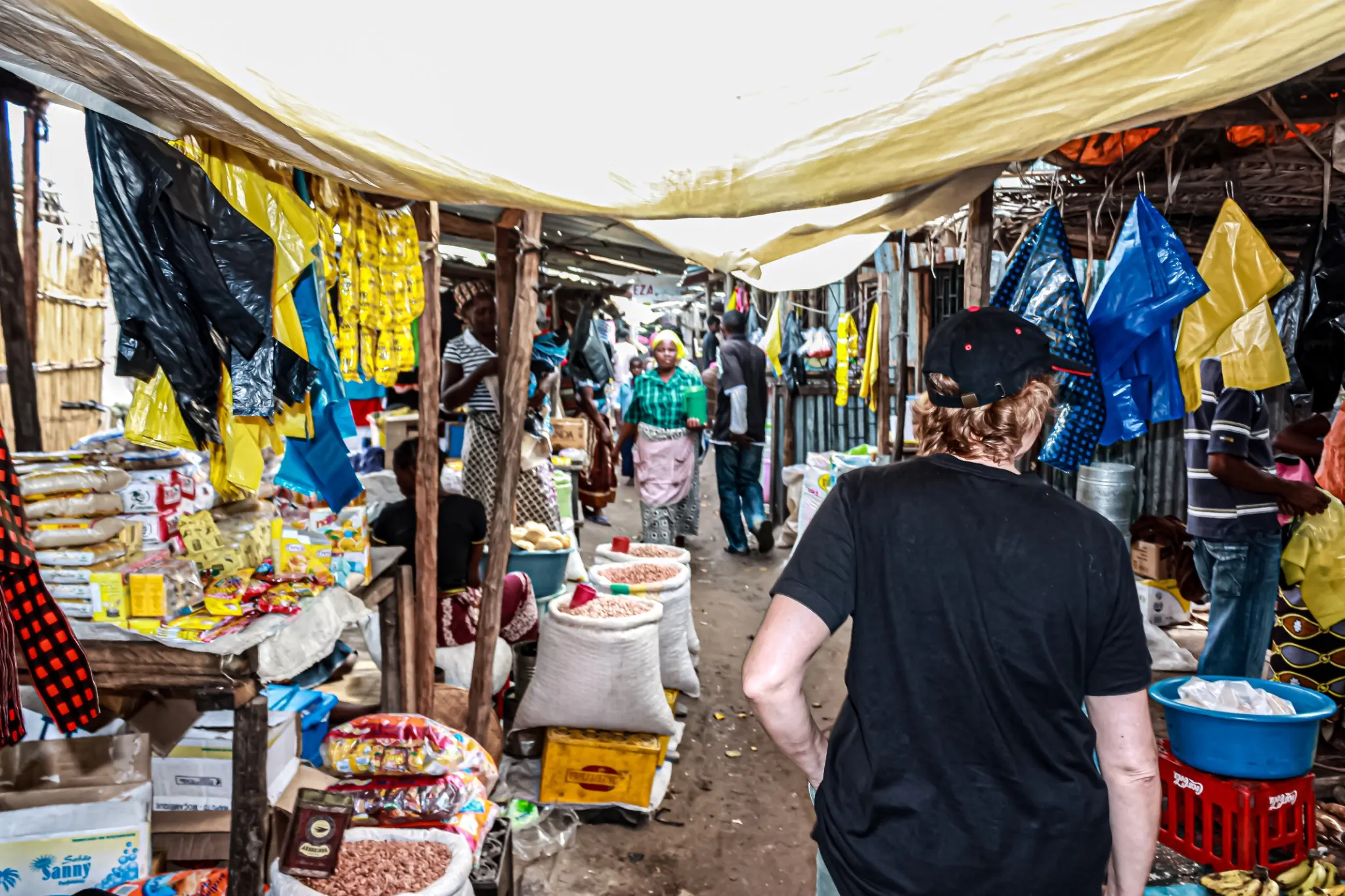
The Bazaruto Archipelago is not an empty wilderness. People live on its islands and along the surrounding coast, and livelihoods are closely connected to the sea. Fishing, local knowledge, tourism and everyday community life all form part of the wider story of this remarkable coastal region.
For visitors, the archipelago is often associated with white-sand beaches, clear water, coral reefs and encounters with marine wildlife. These landscapes are important, but understanding the destination requires looking beyond what appears in a photograph. The sea is also a source of food, work and cultural identity for the people who live in the region.
Any serious conversation about conservation must recognise this relationship. Protecting marine ecosystems and supporting the people who depend on them are connected challenges, and long-term conservation requires attention to both.
A living landscape
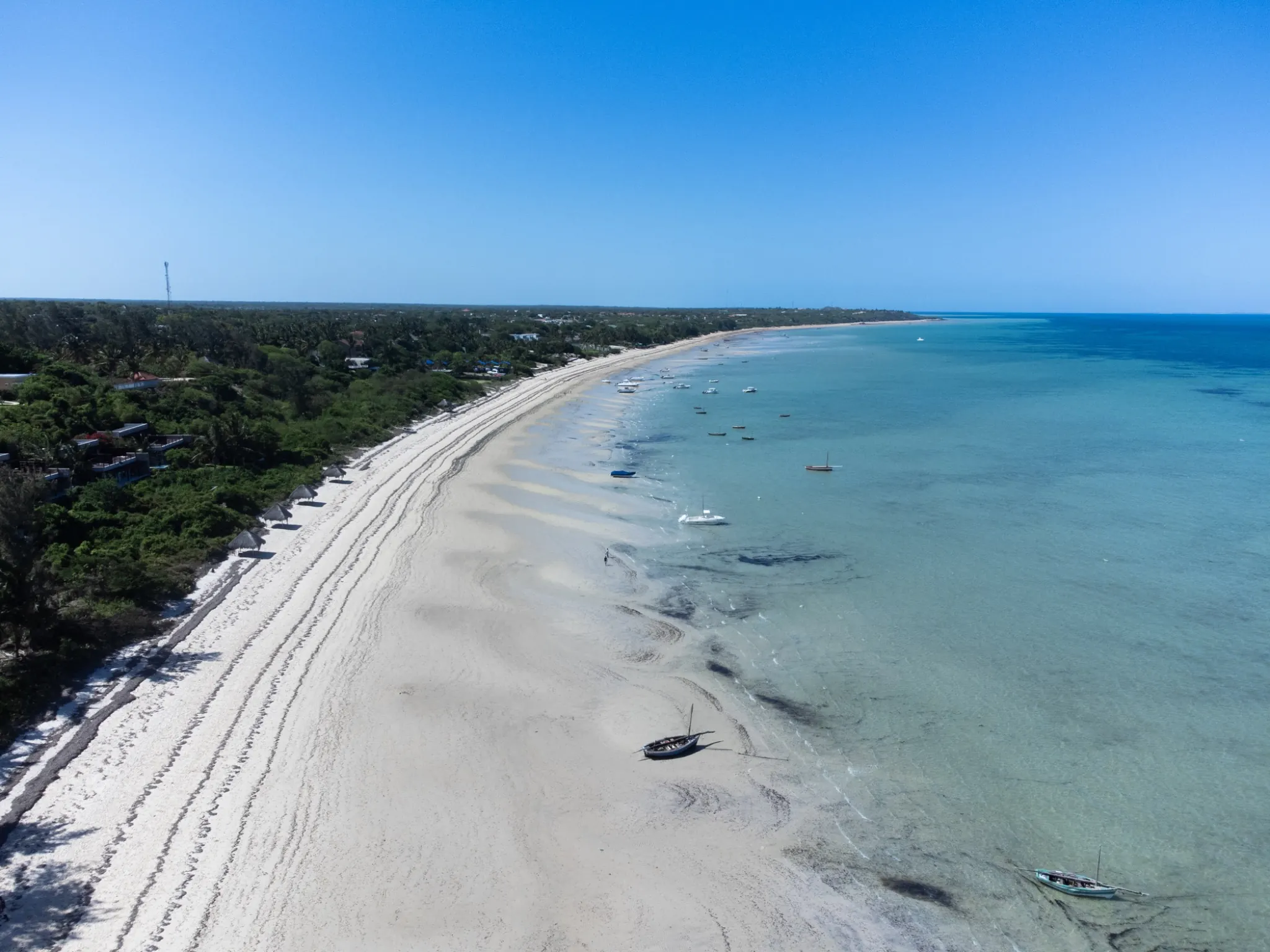
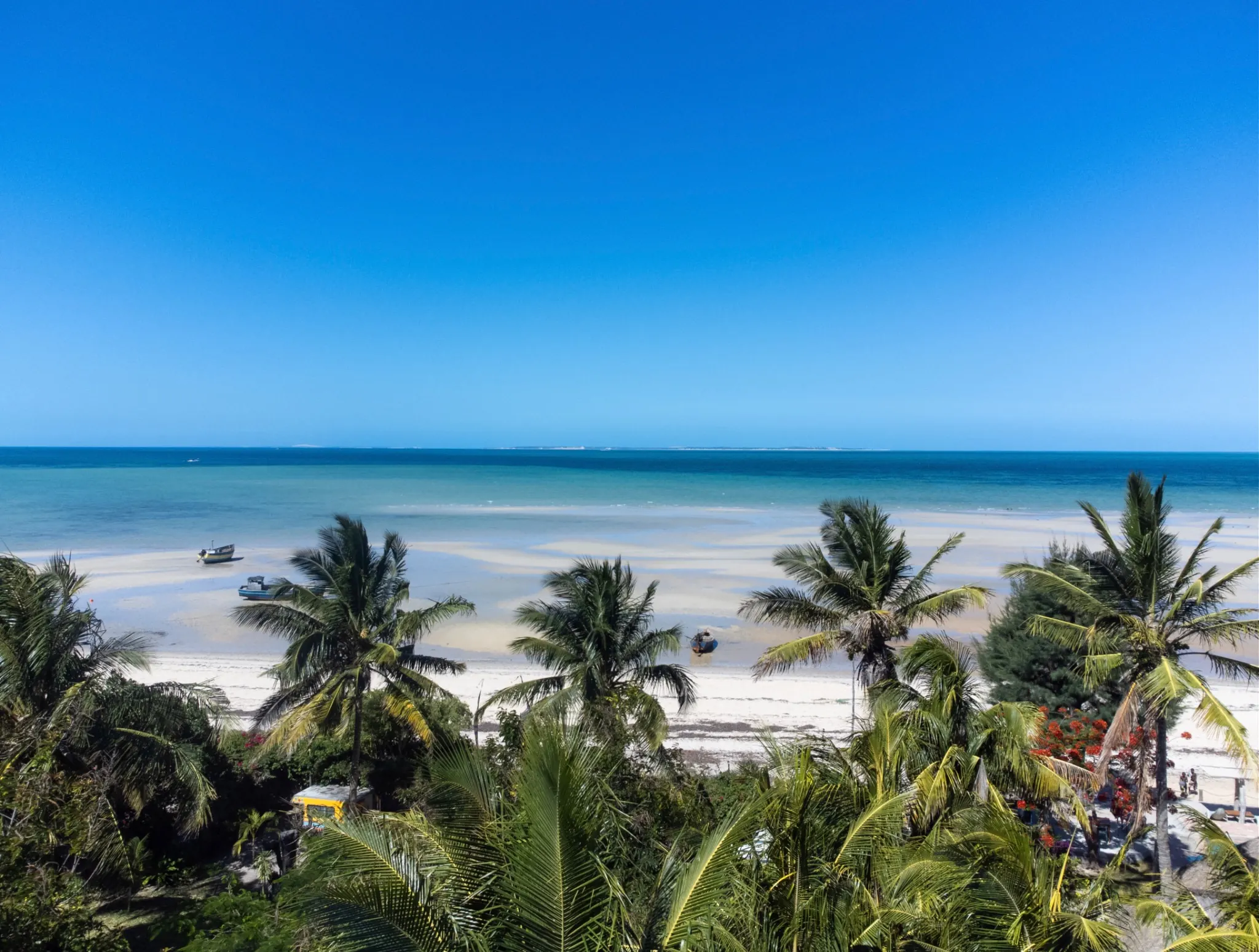
The Bazaruto Archipelago lies off the coast of Vilanculos in Mozambique's Inhambane Province. Its marine and coastal environments support a variety of habitats and wildlife, including seagrass beds, coral reefs, turtles and dugongs. These ecosystems are part of what makes the region significant for conservation and an important destination for visitors interested in the natural world.
However, the archipelago is also a lived-in landscape. African Parks describes three of its islands as permanently inhabited by local communities whose lives depend in part on marine resources and small-scale fishing. The national park protects important habitats, but the region is also a home, workplace and source of food.
This context matters when considering what conservation means in practice. Protecting a marine environment is not simply a question of drawing boundaries around a sensitive area. It also involves understanding how people use natural resources, how restrictions affect daily life and how sustainable opportunities can support the long-term health of the region.
Understanding the connection between people and the sea
Coastal livelihoods are shaped by access to marine resources, local conditions and the opportunities available to communities. Fishing, for example, is not just an activity taking place in the water; it is connected to food, household income, knowledge passed between generations and the wider local economy.
Changes in access to resources or the condition of marine habitats can therefore have consequences beyond the environment itself. At the same time, the health of those habitats matters for the future of the people who rely on them.
Recognising this relationship does not mean that conservation objectives and every existing activity will always align. It means that decisions about protection are more meaningful when they consider ecological needs alongside the realities of local livelihoods.
Why community participation matters
Marine protection is more likely to endure when local people can participate in decisions and benefit from sustainable opportunities. Communities possess knowledge of their surroundings, including local conditions, seasonal changes and the ways people interact with the sea. That knowledge can be valuable alongside scientific research, monitoring and formal conservation measures.
African Parks reports work in the Bazaruto region involving community engagement, environmental education, skills development and tourism-related livelihoods. These activities form part of a broader effort to support the long-term health of the park and the communities around it.
Community participation is not simply an additional feature of conservation. It can help connect environmental goals with the people whose daily lives are affected by how the area is managed.
Environmental education and shared understanding
Environmental education can help people understand the importance of habitats, the pressures affecting marine life and the reasons behind particular conservation measures. It can also create opportunities for different groups to exchange knowledge and discuss the challenges facing the region.
Effective education should not be treated as a one-way process in which outsiders provide information to communities. Local knowledge and experience are also important to understanding the environment. Conservation works best when scientific evidence, practical experience and local perspectives can inform one another.
Education alone cannot resolve every challenge. It needs to sit alongside appropriate management, resources, enforcement and opportunities for people to participate meaningfully in the decisions that affect them.
Skills and sustainable livelihood opportunities
Tourism can create opportunities connected to guiding, transport, accommodation, boat operations and other services. When these opportunities are accessible to local people and managed responsibly, they can contribute to livelihoods while helping visitors understand the destination.
However, tourism should not be presented as a complete solution to complex economic or environmental challenges. Opportunities may vary, and the benefits of visitor spending are not automatically shared equally. Training, fair working arrangements, access to markets and meaningful local participation all influence how tourism affects a community.
Long-term conservation therefore requires a broader perspective. Sustainable livelihoods, community engagement, scientific research and effective protection measures can contribute to the same objective, but none should be assumed to work in isolation.
Conservation is more than protecting wildlife
Bazaruto is particularly important for dugongs, seagrass habitats, turtles and a wide range of marine life. Protecting these environments involves understanding the relationships between species and the habitats on which they depend.
Seagrass beds, for example, provide important habitat and feeding grounds for marine species, including dugongs. Coral reefs support diverse marine communities, while beaches and coastal areas can provide important habitat for turtles and other wildlife. Damage to one part of an ecosystem can have wider consequences.
Conservation work may involve monitoring, patrols, research, habitat protection and collaboration with communities and other organisations. Each activity addresses different aspects of the challenge, and results often depend on sustained effort over time.
The role of monitoring and research
Monitoring helps conservation teams understand changes in habitats and wildlife populations. Research can improve knowledge of species, identify pressures on ecosystems and inform decisions about how an area should be managed.
These activities are particularly important in marine environments, where many ecological changes are not immediately visible from the shore. Understanding what is happening beneath the water requires appropriate methods, consistent observation and the interpretation of evidence over time.
Visitors should be cautious about drawing broad conclusions from a single experience. Seeing wildlife during one excursion does not necessarily indicate the overall health of an ecosystem, just as failing to see a particular species does not prove that it is absent from the region.
Why long-term protection matters
Marine ecosystems are influenced by multiple pressures, and conservation outcomes may take time to become clear. Protecting a habitat requires more than a single intervention or a short period of attention. It depends on continued management, the ability to respond to new information and cooperation between the organisations and communities involved.
The same principle applies to community relationships. Trust, participation and sustainable opportunities develop over time. Conservation should therefore be understood as an ongoing effort rather than a finished achievement.
For a closer look at the wildlife and habitats involved, read our responsible traveller's guide to Bazaruto's dugongs and marine life.
How visitors can act responsibly
Visitors cannot resolve every conservation challenge during a holiday, but their choices can still matter. Respectful behaviour reduces avoidable pressure on natural environments, supports responsible local services and helps create better interactions between guests and the communities they visit.
- Choose operators carefully. Ask how excursions are conducted, whether park rules are followed and what measures are taken to protect wildlife and habitats.
- Follow local guidance. Respect restricted areas, safety instructions and the directions of authorised guides and park personnel.
- Ask before photographing people. Seek permission for identifiable photographs and respect anyone who does not wish to be photographed.
- Support local businesses where appropriate. Consider local guides, services and businesses when making travel arrangements, and agree on prices and inclusions clearly.
- Reduce waste. Carry rubbish away with you and avoid leaving disposable items on beaches, islands or boats.
- Protect marine habitats. Never touch or stand on coral, disturb seagrass or interfere with wildlife for a closer view.
- Avoid wildlife products. Do not purchase products made from protected wildlife or marine species.
- Respect local customs and privacy. Remember that residential areas and working environments are part of everyday life, not simply attractions for visitors.
These actions are straightforward, but their value lies in applying them consistently. Responsible travel is not defined by one gesture or a single purchase. It is reflected in how visitors behave throughout their stay.
Choose marine excursions with care
Boat trips and other marine activities can provide valuable opportunities to experience the archipelago, but they also bring visitors into sensitive environments. The way an excursion is operated can influence the experience of both wildlife and people.
Before booking, ask about the itinerary, safety arrangements, group size where relevant, environmental practices and what happens if weather or sea conditions make a trip unsuitable. A responsible operator should be willing to explain these details and should not promise guaranteed encounters with wild animals.
During an excursion, follow the guide's instructions and avoid asking for actions that could disturb wildlife or damage habitats. If an animal moves away, allow it to leave. If conditions change, accept that the itinerary may need to be adjusted.
For practical advice on selecting an experience, read how to choose an island excursion from Vilanculos and what first-time visitors should know about snorkelling in Bazaruto.
Travel as a relationship, not a transaction
A thoughtful visit begins with listening. Local people should be able to decide what they want to share, how they wish to be represented and what kinds of interactions are appropriate. Visitors should not expect private access, staged cultural encounters or personal stories simply because they are travelling through the region.
Paying fairly for services, following agreed arrangements and showing consideration for the people providing them are practical ways to approach travel respectfully. So is recognising that a community may have priorities that are different from those of visitors or tourism businesses.
A destination is not more authentic because it is unfamiliar to a traveller. It is a place with its own history, relationships, needs and complexity. Approaching it with curiosity means accepting that a short visit will reveal only part of the picture.
Photography, privacy and representation
Photographs can help visitors remember a journey and share the beauty of a destination, but they can also shape how others understand the people who live there. Before taking an identifiable photograph, ask permission and explain the intended use if the image will be published or used commercially.
Avoid presenting people through stereotypes or treating poverty as a visual attraction. If you are sharing a story about a community, make sure the description is accurate and respectful, and avoid implying that one individual represents everyone who lives in the region.
Respectful representation is part of responsible travel because the way a place is portrayed can influence how future visitors approach it.
What responsible tourism can—and cannot—do
Tourism can create income, support local services and give visitors opportunities to learn about conservation. It can also create pressures if development is poorly managed, natural resources are overused or benefits are concentrated among a limited number of businesses.
It is therefore important not to simplify conservation into a story in which tourism alone solves complex challenges. Outcomes depend on many factors, including effective management, scientific research, local knowledge, policy, enforcement, sustainable livelihoods and the pressures placed on marine resources.
Visitors can make more considered choices, but they should not assume that every business marketed as sustainable delivers the same outcomes. Ask questions, look for clear explanations of practices and be cautious of broad claims that cannot be substantiated.
Equally, avoid expecting a single holiday activity or donation to demonstrate that a conservation problem has been solved. Long-term protection is a continuing process that requires collaboration and accountability.
Exploring the region from Vilanculos
Vilanculos is a mainland starting point for visitors exploring the Bazaruto Archipelago. It is also a destination with its own coastal life, businesses and everyday rhythms. Making time for the town can help visitors understand more of the setting in which the archipelago and its conservation efforts exist.
Beyond a planned island excursion, consider exploring local food, the coastline and the places where daily life unfolds. Ask for recommendations from knowledgeable local sources, respect private and working spaces, and avoid assuming that every activity is available on every day.
Keeping your itinerary flexible is particularly useful when planning marine activities. Wind, tides and weather can affect boat trips, so confirm arrangements in advance and leave enough time for changes.
Our guide to discovering Vilanculos beyond the islands offers more ideas for engaging with the mainland respectfully.
SAMARA Lodge Vilanculos: a mainland base for discovery
SAMARA Lodge Vilanculos offers a mainland base from which visitors can plan time on the water and explore the surrounding destination. A stay can provide the space to combine an island excursion with time on the mainland, rather than treating the entire visit as a series of scheduled activities.
For travellers interested in the natural environment, preparation can make the experience more rewarding. Review excursion details, ask about the operator's practices, follow local guidance and leave room for conditions to change. If you have particular activities in mind, confirm availability and arrangements for your travel dates.
SAMARA's approach to hospitality is rooted in the idea that a stay should help guests engage with a place thoughtfully. That includes providing useful information while recognising that local communities, natural environments and everyday life deserve respect beyond their value as visitor experiences.
Plan your stay: Explore SAMARA booking options.
A protected landscape is strongest when its future includes the people who call it home.
Frequently asked questions about Bazaruto's communities and conservation
Do people live on the islands of the Bazaruto Archipelago?
Yes. African Parks describes three of the archipelago's islands as permanently inhabited by local communities. Livelihoods in the region are connected in part to marine resources and small-scale fishing, making the relationship between conservation and everyday life an important consideration.
Why is community participation important for conservation?
Community participation can help connect conservation goals with local knowledge, practical realities and sustainable opportunities. Long-term protection depends on more than ecological measures alone; it also requires attention to livelihoods, decision-making, education and relationships between the people and organisations involved.
Does tourism automatically benefit local communities?
No. Tourism can create opportunities, but the benefits depend on how activities are organised, who can participate and how income and opportunities are distributed. Responsible travel involves asking informed questions and recognising that tourism is one part of a wider economic and conservation context.
How can visitors support responsible conservation practices?
Visitors can follow park rules, choose responsible operators, respect wildlife, reduce waste, avoid purchasing protected wildlife products and engage with local businesses respectfully. These actions do not replace professional conservation work, but they can help reduce avoidable impacts during a visit.
Can I photograph local people during an excursion?
Ask permission before taking identifiable photographs and respect anyone who declines. Take particular care with children and seek permission from a parent or responsible guardian. If you plan to publish images commercially, discuss the intended use and obtain appropriate permission.
Are dugongs and other marine wildlife guaranteed to be seen?
No. Marine wildlife moves naturally through its habitat, and sightings depend on many factors. Choose operators who prioritise responsible viewing, keep a respectful distance and never ask a guide or boat operator to chase animals for a photograph.
Where can I learn more about Bazaruto's marine environment?
African Parks provides information about the Bazaruto Archipelago and its conservation work. You can also read our guide to dugongs and marine life for an introduction to the region's habitats and responsible wildlife encounters.
Conservation is a shared, long-term effort
The Bazaruto Archipelago's natural beauty is inseparable from the people and livelihoods connected to it. Marine habitats need protection, and the communities who live in the region need to be recognised as part of its future. Neither side of that relationship can be understood fully in isolation.
For visitors, the first step is to approach the destination with curiosity and respect. Learn about the environment, follow local guidance, choose activities carefully and remember that the region is a home as well as a place to explore.
For conservation, the work continues beyond any single excursion or visit. Monitoring, research, effective management, community participation and sustainable opportunities all have roles to play in protecting the archipelago over time.
At SAMARA, we believe that thoughtful travel starts with understanding the place you are visiting. We hope these perspectives help guests explore Vilanculos and Bazaruto with greater awareness of the landscapes, wildlife and people that make the region distinctive.
Continue exploring: Read our guide to the Bazaruto Archipelago, learn about dugongs and marine life and discover the mainland town of Vilanculos.