A Guide to Traditional Dhow Sailing in Vilanculos
Discover what to expect from a dhow sailing experience in Vilanculos, including timing, comfort, safety and respectful travel on the water.
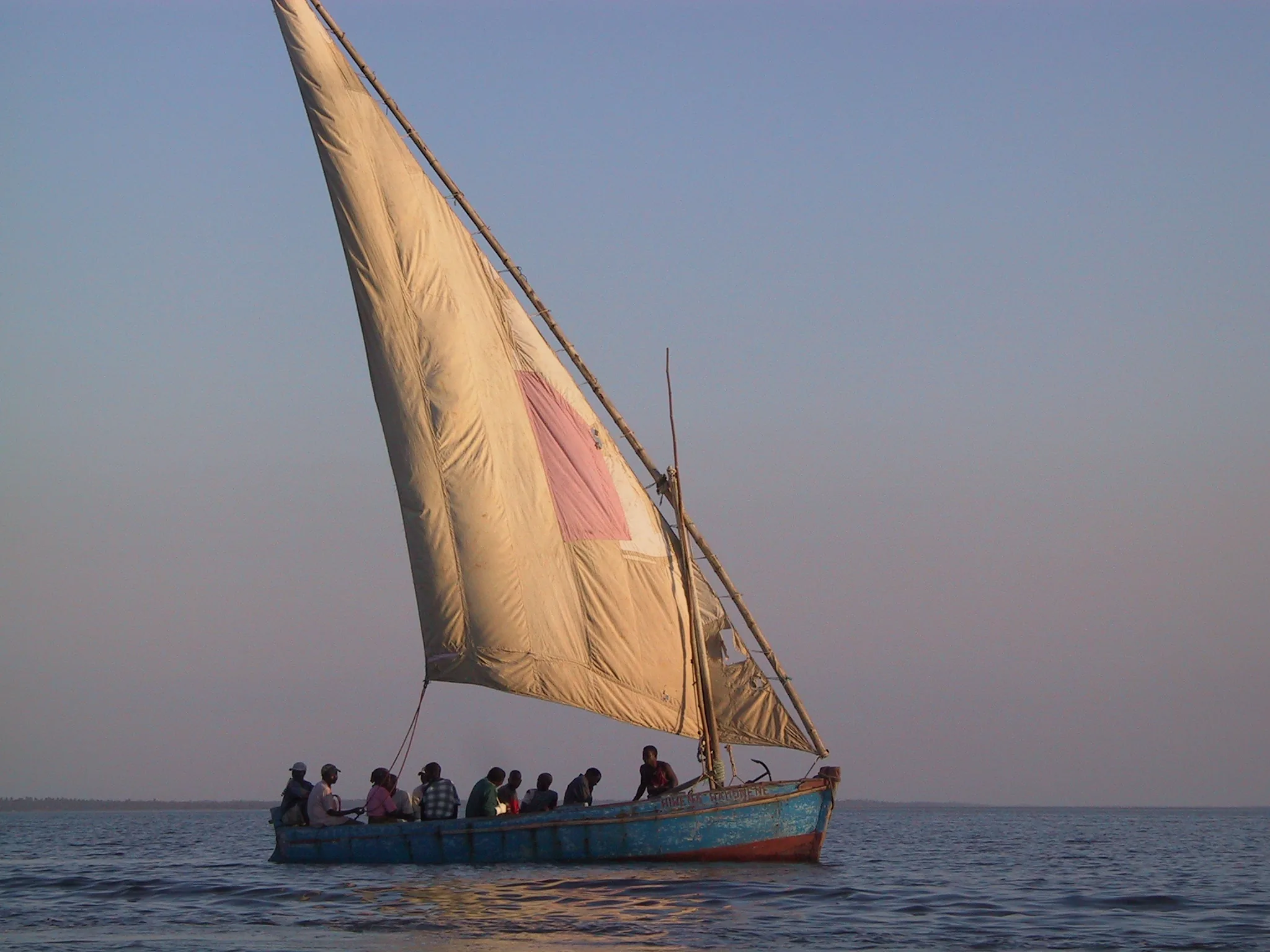

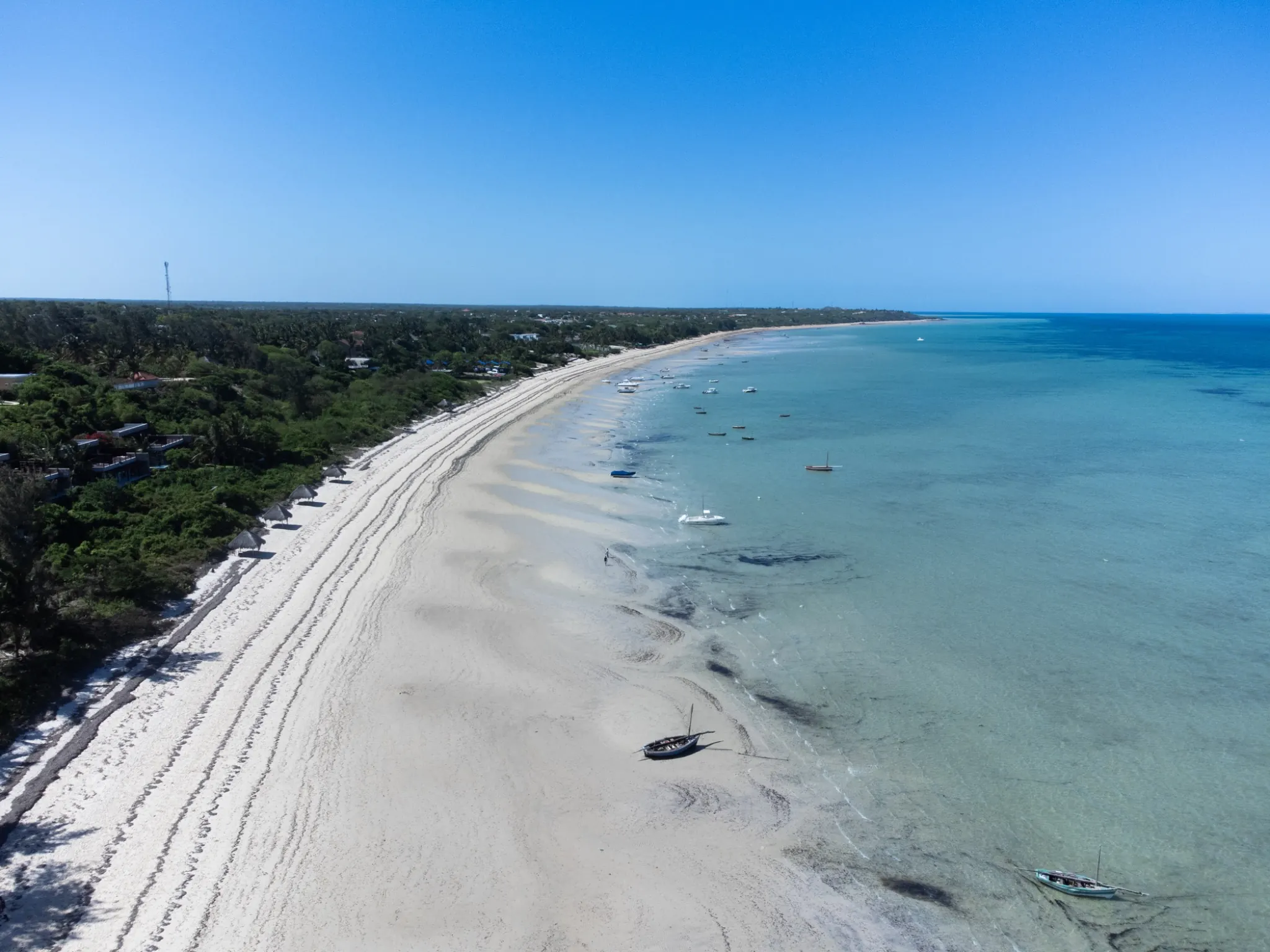
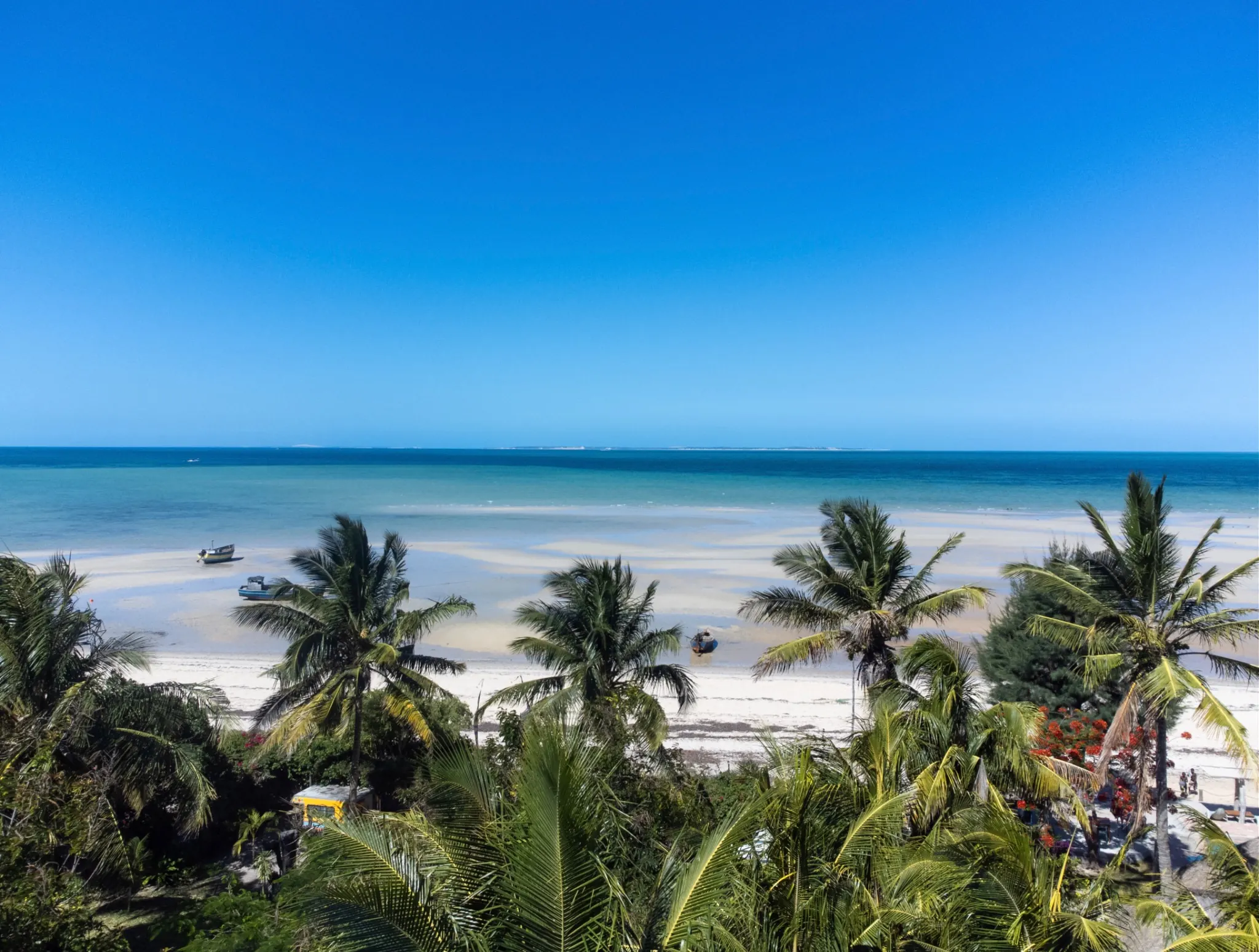
Along the coast of Vilanculos, traditional dhows are part of the landscape. Their wooden hulls and distinctive sails move across the bay, connecting the mainland with a maritime tradition that has shaped life around the western Indian Ocean for generations.
For visitors, sailing on a dhow offers a different way to experience Mozambique's coast. Instead of travelling quickly towards a destination, you have time to notice the changing colours of the water, watch the coastline recede and appreciate the relationship between wind, tide and sea. The journey becomes as important as where you arrive.
Depending on the operator and itinerary, a dhow experience may be a relaxed sunset cruise across Vilanculos Bay or a longer excursion towards one of the nearby islands. Either way, it offers an opportunity to experience the coast from a traditional wooden sailing vessel while learning more about the maritime culture of the region.
What is a traditional dhow?
A dhow is a broad term used for traditional sailing vessels associated with the western Indian Ocean, including the East African coast and parts of the Arabian Peninsula. Dhows come in different designs and sizes, reflecting the communities that build and use them and the work they are intended to perform.
In Mozambique, traditional wooden boats have long been used for fishing, transport and other activities along the coast. Their designs reflect practical knowledge of local waters, including the shallow areas, sandbanks and changing tides found around Vilanculos.
Many dhows are recognised by their wooden hulls and triangular lateen sails. The sail catches the wind to propel the boat, while the crew manages its direction and movement according to the conditions. Some working boats have also been fitted with auxiliary engines, so not every vessel described as a dhow relies exclusively on wind power.
When you see a dhow from the beach, it can be tempting to think of it as a relic from another era. In reality, these boats are part of a continuing maritime tradition. Their significance comes not only from their appearance, but from the skills, knowledge and livelihoods connected to them.
The maritime heritage of Vilanculos
Vilanculos sits on Mozambique's Indian Ocean coastline, facing the Bazaruto Archipelago. Its relationship with the sea is visible in the boats that move across the bay and in the role that fishing and marine tourism play in the local economy.
Traditional sailing vessels belong to a wider Indian Ocean history of coastal travel, fishing and trade. For centuries, maritime routes connected communities along eastern Africa with islands and ports across the ocean. These connections carried goods, ideas and cultural influences, but they were also associated with unequal power and the history of the slave trade. The history of the dhow is therefore more complex than its romantic image might suggest.
Today, dhows around Vilanculos remain part of the working coastal landscape. Some are used for fishing and local activities, while others carry visitors on excursions. The boats you encounter may differ in size, construction, condition and purpose, and not every traditional vessel operates as a tourist boat.
For travellers, the important distinction is that a dhow is not simply a themed attraction. It is part of a living maritime culture. Choosing a well-run excursion and treating the crew with respect helps make the experience more meaningful than simply photographing the boat.
Why experience Vilanculos by dhow?
A dhow offers a slower perspective on the coastline. Without the constant sound and pace of a fast motorboat, the experience can feel more connected to the wind and the movement of the sea. You have time to watch the water, observe other boats and take in the wide views across Vilanculos Bay.
The atmosphere depends on the wind, the route, the vessel and the people on board. At times, the sail may fill and the boat will move steadily across the water. At other moments, the crew may need to adjust the sail, change direction or use an auxiliary engine if the vessel is equipped with one.
Unlike a fast transfer, the emphasis is usually on enjoying the journey rather than reaching the destination as quickly as possible. This makes a dhow particularly appealing to travellers who want a relaxed coastal experience, photographers interested in boats and seascapes, or anyone curious about traditional sailing.
It is worth remembering that a dhow trip is still a boat journey. Wind, tides and sea conditions influence the experience, and the pace can be less predictable than a motorised excursion. If you enjoy travel that allows room for the journey itself, this is part of its appeal.
Choose your dhow experience
Traditional dhow trips from Vilanculos can take different forms. Before booking, decide whether you want a short sailing experience close to the mainland or a longer day that includes time on an island. The right choice depends on your available time, interests and the specific trip offered by the operator.
Sunset dhow sailing
A sunset cruise is a relaxed way to experience Vilanculos Bay. Rather than dedicating an entire day to an island excursion, you spend time on the water as the light changes towards evening.
The appeal lies in the changing scenery: the mainland shoreline, the silhouettes of boats and the colours of the sky reflected on the sea. It can be a good option for couples, photographers or travellers who want to enjoy the coast without committing to a full-day activity.
Sunset times, departure points and trip durations depend on the operator and the season. Ask where the boat departs, how long the cruise lasts and whether refreshments are included. Sunset is not guaranteed to produce clear skies or vivid colours, so enjoy the experience for the sailing itself rather than relying on a particular photograph.
A dhow excursion to Magaruque Island
Magaruque is one of the islands in the Bazaruto Archipelago and a destination offered by some operators using traditional dhows. The crossing gives visitors a chance to experience the boat's movement across the bay before spending time on the island.
Depending on the itinerary, a trip may include time on the beach, swimming or snorkelling, and a meal. These inclusions are not universal, so ask for the details of the specific excursion rather than assuming that every operator provides the same experience.
The journey time depends on wind, tides, the vessel and the route. An operator may need to adjust the departure time or itinerary to account for conditions. Confirm the expected schedule and how changes are handled before booking.
Once on the island, follow local guidance about where you can walk, swim or snorkel. Take your rubbish back with you and avoid disturbing wildlife or collecting natural materials. The island environment is part of what makes the trip worthwhile, and it should be treated with care.
Full-day dhow sailing
A full-day trip gives you more time to combine the sailing experience with an island visit. Depending on the route, the day may include a crossing, time ashore, a meal and opportunities to explore the coast or enter the water.
Longer excursions require more planning. Check the departure time, estimated return, food arrangements, drinking water, equipment and whether park fees or other charges are included. If you are travelling with children or people who may find a long boat journey tiring, discuss the itinerary and facilities with the operator before committing.
Do not assume that every island can be reached by dhow in the same way. Distances, sea conditions and the type of boat affect which routes are practical. A responsible operator should explain the planned destination and advise if a change is necessary.
What to expect on a dhow trip
Your experience begins before the boat leaves the shore. Depending on the departure point and tide, you may meet the crew at the beach or at another agreed location. The crew should explain the plan, give relevant safety instructions and help guests board safely.
Once under way, the pace will depend on the wind and the boat. You may feel the vessel lean as the sail catches the breeze, hear the movement of water against the hull and notice how the view changes as you move away from the mainland.
If your trip includes an island stop, the crew will explain the arrangements for going ashore and returning to the boat. Follow their instructions, particularly where water depth, tides or the shoreline make boarding more complicated.
Some excursions include food prepared on board or served on an island. Others provide refreshments or have different arrangements. Ask in advance what is included and whether you should bring additional water or snacks.
Keep your expectations flexible
A traditional sailing trip is influenced by conditions that cannot be controlled. Wind may change, tides may affect access to a landing point and the sea may make a planned stop unsuitable. These are normal considerations for a coastal boat journey.
A change of route or departure time is not necessarily a sign that the excursion has gone wrong. The important question is whether the operator communicates clearly and makes sensible decisions about safety. Avoid pressuring the crew to continue when they explain that conditions are unsuitable.
What should you bring?
Your operator should confirm what is provided. For most dhow trips, a few practical items will help you stay comfortable throughout the journey.
- Sun protection: Bring a hat, sunglasses and sunscreen, and consider lightweight clothing that covers exposed skin. There may be limited shade on the water.
- Drinking water: Ask whether water is included and bring enough for the planned duration if necessary.
- Swimwear and a towel: Useful if the itinerary includes swimming or snorkelling.
- Dry bag: Protects your phone, camera and other belongings from spray and splashes.
- Lightweight clothing: A light layer may be useful if the wind picks up or the return journey feels cooler.
- Personal medication: Bring anything you may need during the trip, including any seasickness treatment you have chosen after appropriate advice.
- Camera or phone: Useful for photographs, but secure it carefully and avoid leaning over the side of the boat to take pictures.
- Cash or payment method: Confirm how any extra purchases or charges are handled.
Leave unnecessary valuables at your accommodation. Before departure, ask where bags should be stored and follow the crew's advice about moving around the vessel. Avoid bringing loose items that could fall into the sea.
What if you are prone to seasickness?
Even a relatively short crossing can feel uncomfortable if the water is choppy. If you are prone to seasickness, consider the duration of the trip and ask the operator what conditions are expected. A pharmacist or healthcare professional can advise you about suitable preventive options if needed.
Tell the crew if you begin to feel unwell. Do not wait until you are severely uncomfortable before asking for help, and follow their instructions about where to sit and how to move around safely.
How to choose a responsible dhow operator
The quality of your experience depends on more than the boat and the scenery. A well-organised operator should be able to explain the itinerary, discuss safety arrangements and answer practical questions before you pay.
Traditional appearance alone does not establish that a vessel is suitable for every trip. Ask about the boat, the crew's experience, the planned route and the arrangements for guests on board. You should feel comfortable asking questions and receiving clear answers.
Questions to ask before booking
- Which destination will we visit? Confirm whether the trip stays in the bay, heads towards Magaruque or follows another route.
- How long will the trip last? Ask for the expected departure and return times, while allowing for changes in conditions.
- What is included in the price? Confirm whether food, drinking water, snorkelling equipment, transfers and applicable park fees are included.
- What safety equipment is available? Ask about life jackets, emergency arrangements and how the crew manages guests during boarding and the crossing.
- How many guests will be on board? Check that the trip's arrangements suit your group and that the operator can accommodate any particular needs.
- What happens if the weather changes? Understand whether the trip may be adjusted, postponed or cancelled and what the operator's policy is.
- Is the trip suitable for children or guests with limited mobility? Explain your group's needs and ask about boarding, movement on board and access at the destination.
Price is only one part of the decision. Clear communication, suitable safety arrangements and a realistic itinerary are more important than a promise to visit every planned stop regardless of conditions.
Respect the sea and the communities that depend on it
Traditional dhows are connected to a working maritime culture. When you travel aboard one, remember that the crew's knowledge comes from experience on the water, and that the boat may represent a livelihood as well as a cultural tradition.
Listen to the crew's instructions and ask questions respectfully. If you want to photograph the crew or other people, ask permission first. Avoid interfering with sailing equipment or moving around the boat while the crew is working unless invited to do so.
Responsible travel also means looking after the marine environment. Keep rubbish secured, do not throw anything overboard and avoid disturbing marine animals. If the trip includes snorkelling, follow the guide's instructions and never touch or stand on coral.
Choose operators who take safety seriously, communicate honestly and treat the coast with care. Where possible, ask how the excursion supports the local crew and community, while avoiding assumptions about the ownership or employment arrangements of a business.
The most rewarding dhow trip is not necessarily the one that covers the greatest distance. It is one that allows you to enjoy the journey while respecting the people, boat and environment that make it possible.
When is the best time to go dhow sailing?
The best time depends on the kind of experience you want and the conditions on the day. Sunset cruises are planned around the evening light, while island excursions are organised around the route, tides, weather and the operator's schedule.
Wind is essential to sailing, but stronger wind does not automatically mean a better trip. The same conditions that help propel a boat can also make the sea rougher or the crossing less comfortable. Tides can influence access to shallow areas and landing points.
For this reason, it is better to confirm conditions locally than to rely on a fixed promise based on the month alone. Ask the operator which departure time is appropriate and whether the planned route is suitable for the forecast.
If you have several days in Vilanculos, consider keeping some flexibility in your schedule. That way, you may be able to move the excursion if the conditions are not ideal on your preferred day.
For broader seasonal guidance, read our guide to the best time to visit Vilanculos.
Pair dhow sailing with other Vilanculos experiences
A dhow trip can be one part of a wider stay in Vilanculos. You could spend one day exploring the mainland town, another sailing towards the islands and another relaxing along the coast. This gives you a broader impression of the destination without trying to fit every experience into a single day.
If you are interested in marine life, ask whether your chosen excursion includes snorkelling and whether the conditions and equipment are appropriate for your experience level. Our guide to snorkelling in Bazaruto explains what first-time visitors should consider.
If an island excursion is your main priority, compare the actual destinations, duration and inclusions before booking. Our article on choosing an island excursion from Vilanculos provides a practical checklist.
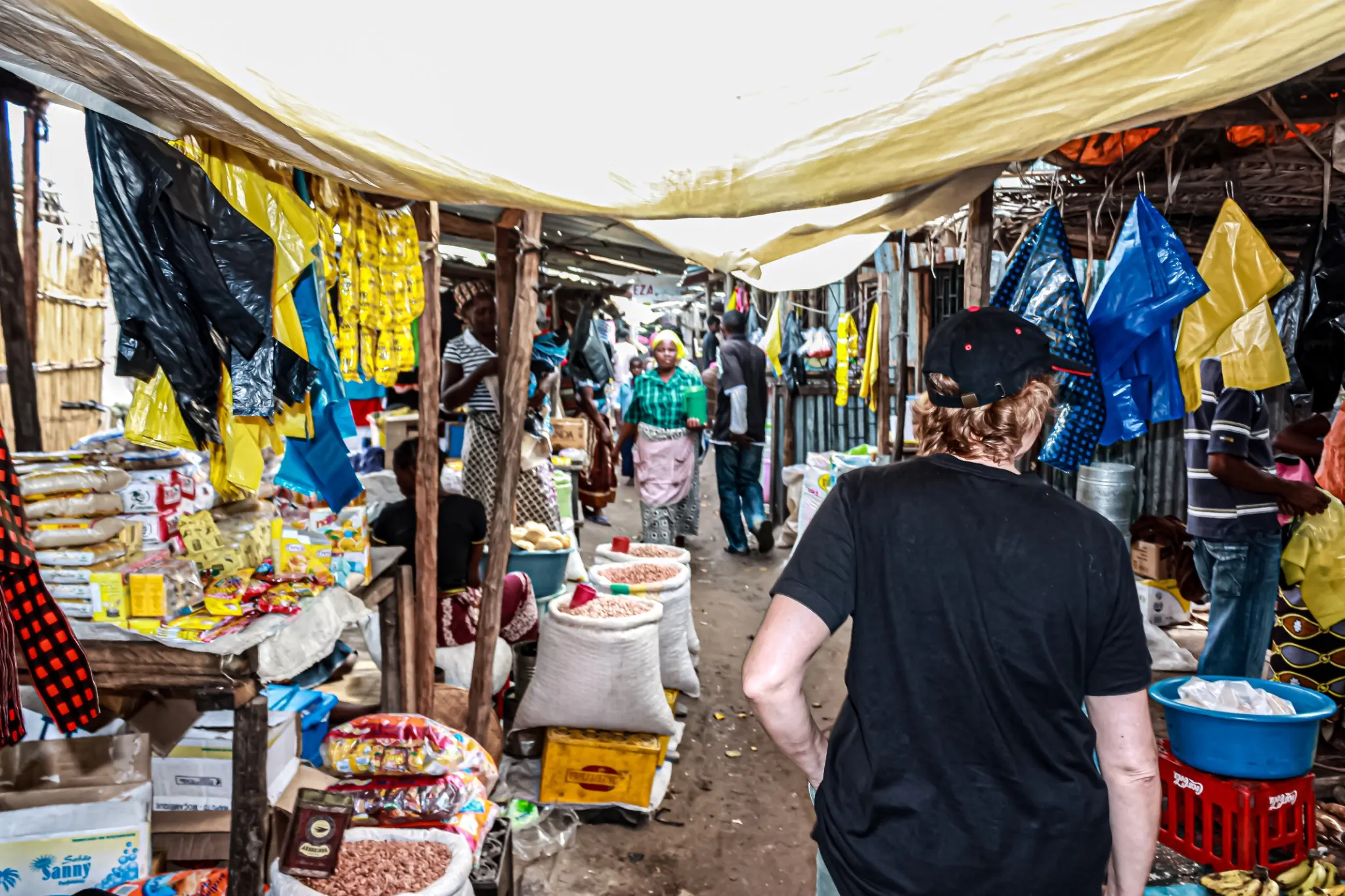
And if you want to experience the destination beyond the water, leave time to explore Vilanculos beyond the islands. Markets, local food and the mainland waterfront offer a different perspective on the coastal town.
Frequently asked questions about dhow sailing in Vilanculos
What is a dhow?
A dhow is a traditional type of sailing vessel associated with the western Indian Ocean, including the East African coast. Designs vary, but many are wooden boats with distinctive lateen sails. Some modern or working dhows also use auxiliary engines.
Can I take a dhow trip from Vilanculos to an island?
Yes. Some local operators advertise dhow excursions to Magaruque Island and other coastal experiences. Destinations and routes depend on the vessel, weather, tides and the specific operator, so confirm the planned itinerary before booking.
How long does a dhow trip take?
Duration depends on whether you choose a sunset cruise, a trip around the bay or a longer island excursion. Wind, tides and the destination can affect the journey. Ask for the expected schedule and return time before departure.
Is a dhow trip suitable for children?
It may be suitable, depending on the boat, conditions, duration and the child's needs. Ask about life jackets, boarding arrangements, shade, supervision and any age restrictions. Explain your group's requirements before booking.
Do traditional dhows always sail without an engine?
No. Some vessels rely primarily on their sails, while others have auxiliary engines. If sailing under wind power is important to you, ask the operator how the boat is normally propelled and what happens when the wind is insufficient.
Will I see dolphins, turtles or other marine life?
Marine animals inhabit the wider region, but sightings are never guaranteed. Enjoy the scenery and any wildlife encounters without expecting the crew to locate or approach animals for photographs.
What should I wear on a dhow?
Lightweight clothing, a hat, sunglasses and suitable sun protection are practical choices. Bring swimwear and a towel if swimming is included, and consider a light layer for the return journey. Secure loose items before boarding.
What happens if the weather is unsuitable?
The operator may change the route, adjust the departure time, postpone or cancel the trip. Ask about the weather policy before paying and respect decisions made for safety, even if that means changing your plans.
Is a sunset dhow cruise different from a full-day excursion?
Yes. A sunset cruise generally focuses on sailing and the evening views across the bay, while a full-day excursion may include an island visit, time on the beach, swimming or snorkelling. Exact arrangements vary by operator.
Further reading
- Discovering Vilanculos: A Coastal Guide to Mozambique
- Vilanculos Beyond the Islands: Discovering the Mainland Town
- Bazaruto Archipelago: An Island Guide from Vilanculos
- How to Choose an Island Excursion from Vilanculos
- Snorkelling in Bazaruto: What First-Time Visitors Should Know
- The Best Time to Visit Vilanculos, Mozambique
- Visit Mozambique — Official Tourism Portal
Traditional dhow sailing offers a distinctive way to experience Vilanculos: at the pace of the wind, with the mainland behind you and the Indian Ocean stretching towards the islands. Beyond the scenery, it is an opportunity to appreciate a living maritime tradition and the people whose knowledge keeps these boats moving.
Choose your excursion carefully, ask questions before you depart and leave room for the conditions to shape the day. Whether you spend a short time sailing across the bay or travel towards an island, the journey itself can become one of the defining memories of your time in Vilanculos.
When planning your stay, visit SAMARA's booking website to explore accommodation options and build a coastal itinerary that leaves time for both the islands and the mainland.