The Story of a Coastal Stay: Why SAMARA Is Building Around Place
The SAMARA perspective on hospitality rooted in place: thoughtful stays, local discovery and a slower relationship with destinations.

Every destination has a character that cannot be reduced to a list of attractions. It lives in the pace of a morning, the way a landscape changes with the light, the food people return to and the details that make a place feel distinct. Sometimes it appears in a familiar view of the sea; at other times, it is found in a conversation, a local dish or an afternoon that unfolds without a plan.
At SAMARA, our approach to hospitality begins with that idea: a stay should help guests experience where they are. Accommodation is more than a place to sleep between activities. It can provide a point of connection with a destination, offering the comfort and practical support that allow travellers to explore with curiosity and confidence.
This is the thinking behind SAMARA Stories. Through destination guides, practical advice and reflections on travel, we want to help guests understand the places they visit rather than simply move through a checklist of attractions. It is an approach built around attention, flexibility and respect for the character of each location.
Hospitality starts with attention
Good hospitality often begins before a guest arrives. Clear information, straightforward booking conditions and useful communication help travellers understand what to expect. Knowing where to go, how arrangements work and whom to contact can make a journey feel more manageable, particularly when visiting somewhere unfamiliar.
Attention also means recognising that travellers have different priorities. Some guests want to organise every day around excursions, restaurants and activities. Others prefer a slower rhythm, with time to read, walk, enjoy a meal or simply appreciate their surroundings. Families, couples, solo travellers and groups may all experience the same destination in different ways.
Good hospitality does not insist on one correct way to travel. It provides the information and support people need to make choices that suit them, while allowing enough flexibility for unexpected discoveries and moments of rest.
The details that shape a stay
The experience of a destination is influenced by practical details as much as by its most famous attractions. A clear arrival process, accurate descriptions of accommodation, transparent prices and realistic information about activities can make a meaningful difference to a guest's experience.
Useful recommendations should also reflect the reality of the place. Travel times, weather, opening arrangements and transport availability can affect what is possible on a particular day. Information is most valuable when it helps guests make informed decisions rather than creating expectations that cannot always be met.
For us, attention means considering the whole journey: planning before arrival, settling in, discovering the surroundings and having access to support when plans need to change. These elements may not always appear in a photograph, but they help form the experience people remember.
Place before formula
A hospitality brand can have a recognisable point of view without making every destination feel identical. Consistency should come from the way guests are welcomed, the clarity of the information provided and the care taken in presenting each property. It should not mean reproducing the same experience regardless of location.
Every destination has its own landscape, pace, culture and practical considerations. These differences should influence how a stay is experienced and how it is presented to travellers. A coastal destination, for example, may invite time on the water and a flexible approach to outdoor activities, while another location may be shaped by architecture, local food, cultural experiences or the rhythm of a city.
The purpose of place-led hospitality is not to impose a predetermined holiday on a destination. It is to create the conditions for guests to discover what makes that place distinctive.
What place-led hospitality means in practice
- Respecting the setting: Let the property's surroundings and the character of the destination influence the experience rather than relying on a generic holiday formula.
- Providing relevant information: Help guests understand local transport, activities, practical arrangements and the choices available to them.
- Allowing different travel styles: Recognise that some guests prefer structured itineraries while others value spontaneity and quiet time.
- Setting realistic expectations: Describe experiences accurately and acknowledge that weather, availability and local conditions can change.
- Connecting with the destination: Encourage guests to discover local food, landscapes, businesses and everyday life beyond the most familiar attractions.
These principles provide a common direction for SAMARA while leaving room for each property and destination to express its own identity.
Vilanculos: a destination beyond the postcard
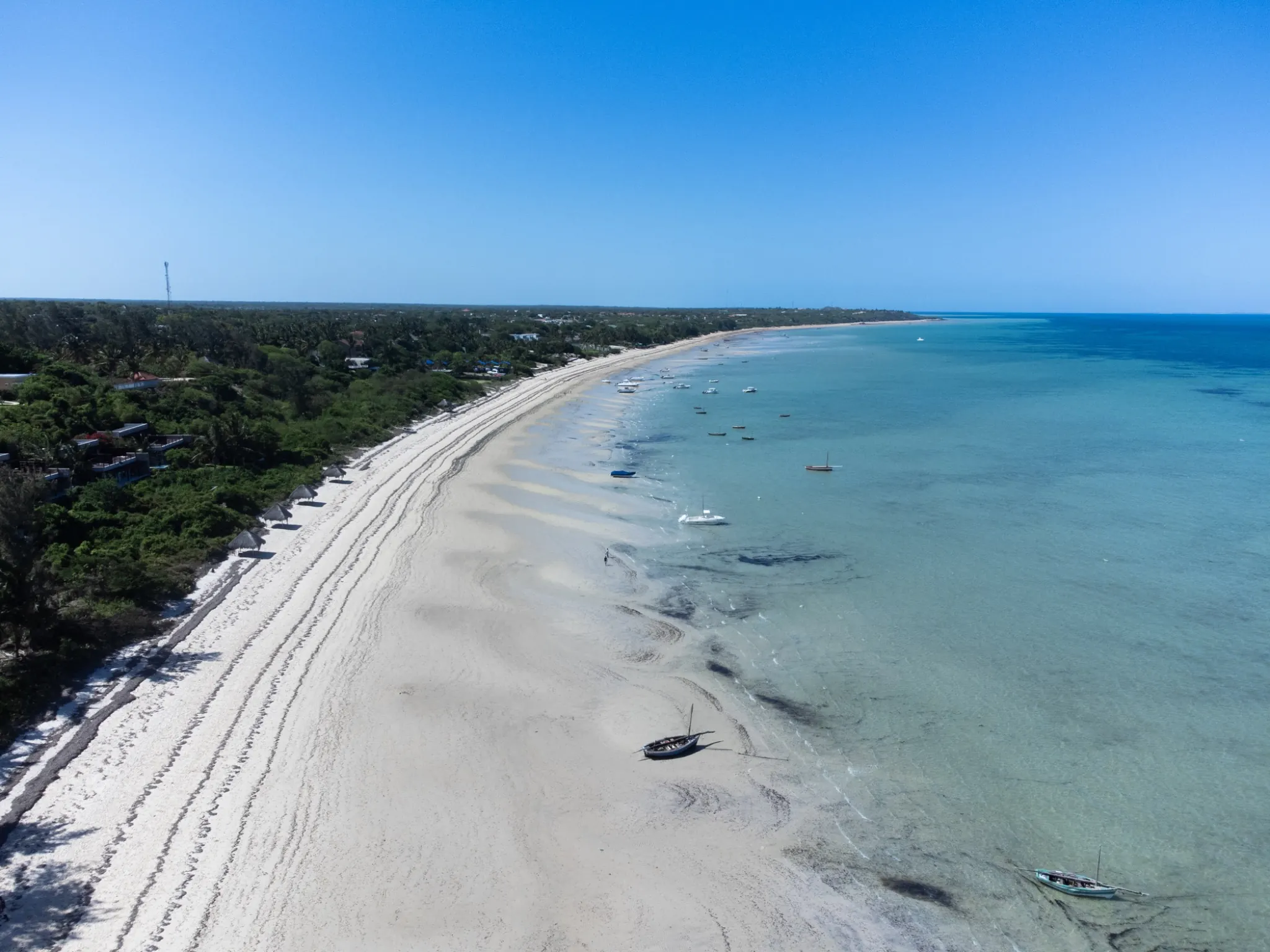
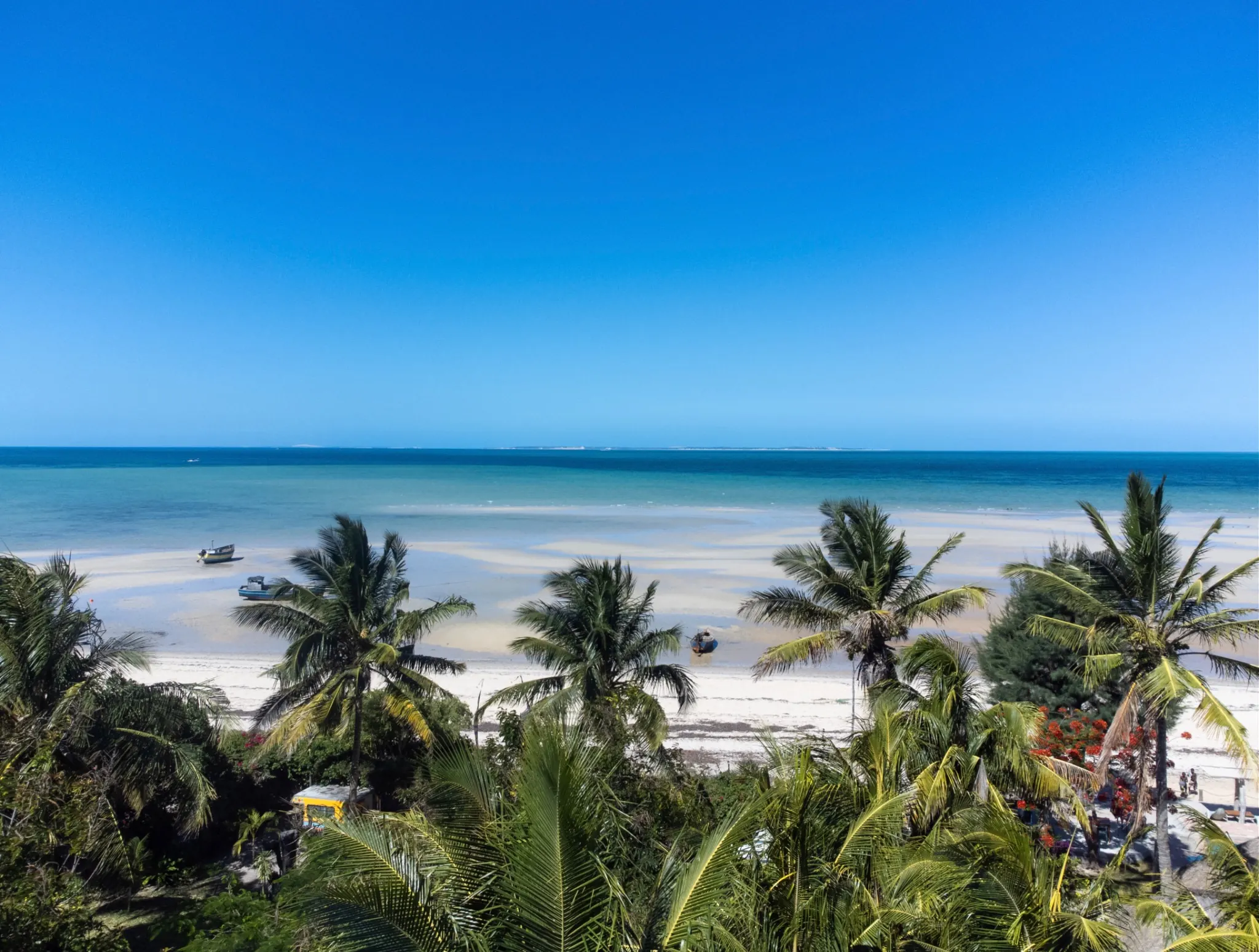
In Vilanculos, the Indian Ocean and the Bazaruto Archipelago are an obvious part of the story. The islands, beaches and surrounding marine environment draw visitors looking to spend time on the water and experience one of Mozambique's best-known coastal regions.
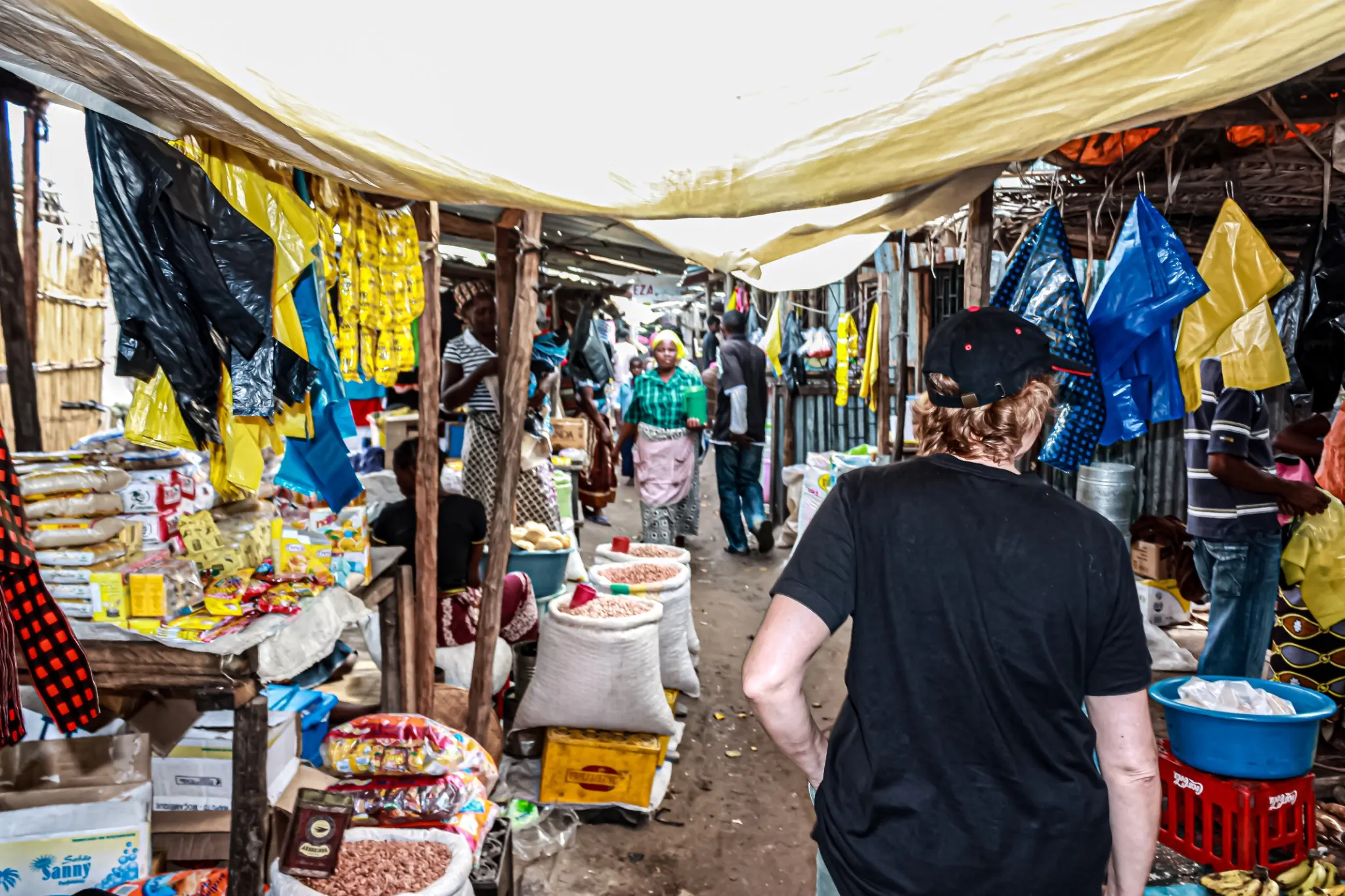
Yet the mainland town matters too. Local food, working waterfronts, markets, small businesses and everyday life give the destination depth beyond the postcard. The coast is not simply a backdrop for a holiday; it is part of a living place where people work, travel, trade and spend time with their communities.
Taking time to notice these details can change the way a trip feels. An island excursion may be a highlight, but so can a relaxed morning by the sea, a meal discovered locally or an afternoon spent exploring without a strict timetable. The destination becomes more than a collection of views when visitors make room for its different layers.
For travellers planning a visit, this means thinking about Vilanculos as both a gateway to the islands and a place worth experiencing in its own right.
Our guide to discovering Vilanculos explores the wider character of the destination, while Vilanculos beyond the islands looks more closely at the mainland town and its everyday life.
Travel that leaves room
We believe a thoughtful itinerary has structure but not rigidity. Some elements deserve advance planning, particularly transport, accommodation and activities that depend on weather or specific departure arrangements. Other parts of a trip can remain open, leaving room to respond to local recommendations, changing conditions or a simple preference to do less.
A full schedule can be useful when time is limited, but filling every hour does not necessarily make a journey more rewarding. Travellers may find that the most memorable moments happen between planned activities, when there is enough time to notice a place without worrying about the next appointment.
Flexibility is especially useful in coastal destinations. Wind, tides and weather can affect boat excursions and other activities on the water. Keeping an alternative day available can make it easier to adjust plans without losing the opportunity to enjoy the destination.
Finding a balance between planning and spontaneity
A practical approach is to identify the experiences that matter most, arrange the essential details and leave some space around them. If an island excursion is a priority, confirm the route, departure time, inclusions and weather policy. Then consider keeping another day available for exploring the mainland, resting or rearranging activities if conditions change.
Travellers can also avoid making an itinerary unnecessarily complicated. Choosing a convenient accommodation base, grouping activities sensibly and allowing time for meals and transfers can make the overall experience more relaxed.
In Vilanculos, that might mean an island excursion followed by a quiet day on the mainland. It might also mean spending more time near the coast instead of adding another activity simply because it is available. The right balance depends on the traveller, the length of the stay and the conditions during the visit.
For practical planning advice, explore our three-, five- and seven-day Vilanculos itinerary and our guide to the best time to visit Vilanculos.
A relationship with place
Responsible hospitality requires humility. Local communities are not scenery, and natural environments are not limitless resources. A destination has value beyond what visitors can photograph, purchase or experience during a short stay.
Travelling thoughtfully begins with simple choices: respecting local customs, asking permission before photographing people, using local guidance where appropriate and treating public spaces with care. Visitors can also reduce waste, avoid disturbing wildlife and choose operators who take safety and environmental responsibilities seriously.
These actions do not require travellers to become experts in every destination they visit. They require a willingness to listen, learn and recognise that being a guest comes with responsibilities as well as opportunities.
Respecting the natural environment
In coastal areas, the relationship between tourism and the environment is particularly visible. Beaches, reefs, seagrass habitats and marine wildlife are part of the destination's appeal, but they are also ecosystems that need protection.
Visitors can help by following local guidance during marine activities, keeping a respectful distance from wildlife, never touching or standing on coral and taking rubbish away with them. When booking an excursion, it is worth asking about safety arrangements, environmental practices and how the operator responds when conditions are unsuitable.
Nature also operates on its own terms. Wildlife sightings are never guaranteed, sea conditions can change and a planned activity may need to be postponed. Accepting these limits is part of experiencing a destination responsibly rather than expecting it to perform according to a fixed itinerary.
For more on the relationship between travel and conservation in the region, read our responsible traveller's guide to Bazaruto's dugongs and marine life.
Recognising the people behind a destination
Local communities contribute to the character of a place through their work, knowledge, traditions and everyday interactions. Choosing local businesses where appropriate, treating service providers fairly and showing interest without making assumptions can help visitors engage with a destination more respectfully.
It is equally important to recognise that no single person or business represents an entire community. A destination is made up of different experiences and perspectives, and respectful travel leaves room for that complexity.
At SAMARA, we want our editorial content to encourage curiosity without pretending that a short visit can explain everything about a place. Useful travel information should help guests explore with greater awareness, not suggest that a destination exists only for visitors.
Why the accommodation base matters
Where a traveller stays can shape the entire rhythm of a trip. A convenient base can reduce the effort involved in organising activities, make it easier to return between excursions and allow guests to explore the surrounding area without repeatedly changing accommodation.
In Vilanculos, a mainland stay can offer a practical balance between island adventures and time in town. Guests can plan a day on the water, return to the mainland and choose how to spend the following day according to their interests and the conditions.
Accommodation should therefore be considered in the context of the wider journey. Location, room configuration, transport arrangements, available support and the terms of a booking may all matter as much as the headline nightly price.
Before confirming a stay, check what is included, review cancellation conditions and ask about any transfers or activities that need separate arrangements. If you have a particular excursion in mind, confirm its availability for your travel dates rather than assuming it will operate every day.
SAMARA Lodge Vilanculos: one expression of the approach
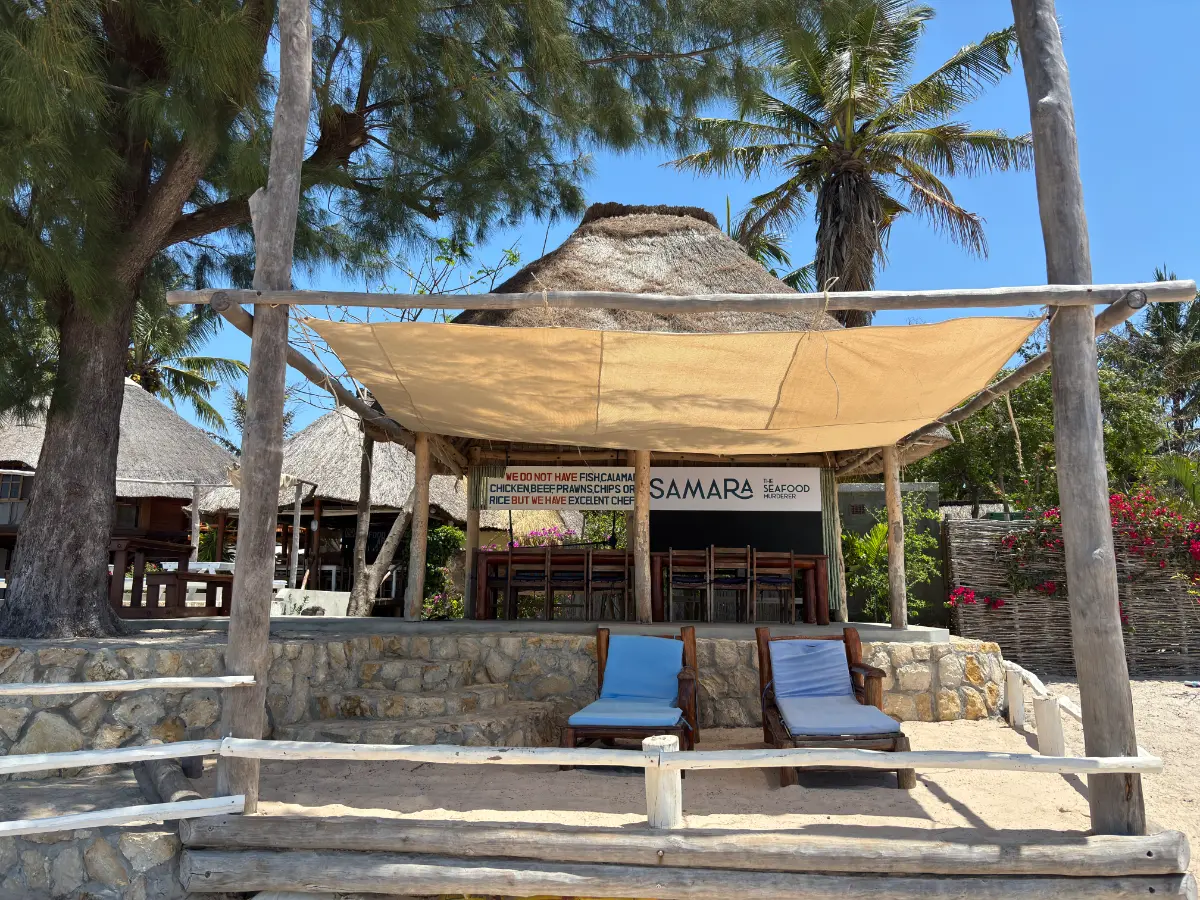
SAMARA Lodge Vilanculos is one expression of our approach to hospitality rooted in place. The mainland setting provides a base from which guests can plan time on the water, discover the town and enjoy the coast at a pace that suits their trip.
The aim is not to prescribe a single way to experience Vilanculos. Some visitors may prioritise island excursions and marine activities, while others may want a more relaxed stay with time for local discovery. Many will want a combination of both.
Our role is to make planning clearer, provide useful information and help guests understand the options available for their visit. Accommodation, destination guides and practical advice should work together to make the journey easier to plan while leaving the experience itself open to personal discovery.
As you prepare for a stay, explore the destination guides, review accommodation options for your chosen dates and contact the team with questions about your plans. Confirm the availability and details of any excursion or transfer before relying on it for your itinerary.
Plan your stay: Explore SAMARA booking options.
How to travel with a greater sense of place
You do not need an elaborate itinerary to experience a destination more meaningfully. A few deliberate choices can help you move beyond the most obvious attractions and pay closer attention to your surroundings.
- Learn a little before arriving. Read about the destination's geography, local customs and practical considerations so you can approach the visit with useful context.
- Ask thoughtful questions. Local recommendations can help you understand what is available and what is appropriate for your interests and travel dates.
- Leave time unplanned. Give yourself space to rest, explore and respond to opportunities that arise during the stay.
- Choose activities carefully. Consider the suitability, safety arrangements and environmental practices of the operators you use.
- Respect everyday life. Ask before taking photographs, follow local guidance and remember that residential and working areas are not simply tourist attractions.
- Be realistic about conditions. Weather, transport and availability can change. Keep important plans flexible where possible.
- Notice the smaller details. A meal, a conversation, a changing shoreline or a quiet morning can be as meaningful as a major excursion.
These habits help make travel more considerate while allowing each guest to define what a rewarding stay means to them.
Frequently asked questions about place-led hospitality
What does place-led hospitality mean?
Place-led hospitality means allowing the character of a destination to shape the guest experience. Rather than applying an identical formula everywhere, it combines thoughtful service and clear information with respect for local surroundings, culture and practical realities.
How is SAMARA's approach different from a standardised hotel experience?
SAMARA's editorial approach emphasises the individuality of each destination, useful travel guidance and the freedom for guests to choose their own pace. The aim is to provide a consistent level of care without suggesting that every location or every traveller should have the same experience.
Why is local discovery important when travelling?
Local discovery can help travellers understand a destination beyond its best-known attractions. Exploring local food, businesses, landscapes and everyday life can provide a broader perspective while encouraging more respectful engagement with the place being visited.
Does travelling thoughtfully mean avoiding organised excursions?
No. Organised excursions can be an important part of a trip, particularly where specialist knowledge, transport or safety arrangements are needed. The important considerations are whether the activity suits your interests, whether the operator provides clear information and whether the experience respects local conditions and the environment.
How can I keep an itinerary flexible?
Confirm essential arrangements in advance, leave some unplanned time and avoid placing every important activity on a single day. In coastal destinations such as Vilanculos, allow for weather-related changes to boat trips and other marine activities.
How does staying on the mainland help when visiting Vilanculos?
A mainland base can make it easier to combine island excursions with time exploring the town and coastline. It also allows travellers to return to the same accommodation between activities, although the suitability of a particular stay depends on individual preferences, location and transport arrangements.
What comes next for SAMARA Stories?
We want SAMARA Stories to be a useful resource for people who want to understand the places they visit. That means combining practical information with thoughtful context, helping readers plan confidently while recognising that a destination cannot be reduced to a checklist.
Vilanculos offers a starting point for this perspective: the islands and marine environment, the mainland town, the people who make the destination what it is, and the different ways visitors can experience it. Future stories will continue to explore the relationship between travel, place and the details that shape a stay.
SAMARA Lodge Vilanculos is one part of that wider approach. Whether your plans centre on an island excursion or a slower coastal escape, we hope our guides help you make informed choices and leave enough room to discover the destination for yourself.
A place-led stay begins by paying attention to the place.
Explore the journal: Discover Vilanculos, explore the Bazaruto Archipelago and learn about protecting the coast.